How Release Dates Affect Box Office Performance
Release dates can make or break a movie's box office success. Timing affects audience turnout, competition, and marketing impact-here's how the calendar drives earnings.
When a movie hits theaters or streams online, that release date, the specific day a film becomes available to the public. Also known as premiere date, it’s not just a calendar entry—it’s a strategic decision that can make or break a film’s success. A poorly timed release can bury a great movie under competition; the right one can turn it into a cultural moment. Studios don’t pick these dates by accident. They look at holidays, school breaks, competitor schedules, and even weather patterns. A big action movie might drop in May to ride the summer wave, while an awards contender waits until December to stay fresh in voters’ minds.
The theatrical release, the traditional launch of a film in movie theaters used to be the only path, but now it’s just one option among many. streaming release, when a film drops directly on platforms like Netflix or Apple TV+ has become just as important, especially for indie films and documentaries. Some movies skip theaters entirely. Others do a hybrid release—limited theaters one week, streaming the next. The film release timing, the strategic planning behind when and how a movie is launched now involves more variables than ever: algorithmic trends, fan campaigns, festival buzz, and even social media momentum. A film that wins at Sundance might get a quick streaming release to capitalize on the hype. A blockbuster sequel? It’s locked into a date that avoids clashing with the next Marvel movie.
It’s not just about when the movie drops—it’s about how it’s positioned. A quiet drama might open on a Tuesday to avoid the weekend crowd and build word-of-mouth. A horror film? It often lands on a Friday the 13th. Even the time of year matters: family films thrive around Christmas, while thrillers do well in the colder months. And don’t forget international dates—what drops in the U.S. in July might not hit Europe until October. These choices affect everything: marketing spend, box office projections, and even how long a film stays in theaters.
Behind every release date is a chain of decisions: distributor negotiations, legal clearances, marketing rollouts, and delivery deadlines for digital files. A delay of even a few days can cost millions in lost revenue or shift audience expectations. That’s why you’ll see studios announce release dates months—or sometimes years—in advance. It’s not just a date. It’s a promise to audiences, theaters, and investors.
What you’ll find below are real stories about how release dates shape films—from indie features fighting for attention to blockbusters timed to perfection. You’ll see how streaming changed the game, how festivals turn into launchpads, and why some movies vanish the moment they hit screens. These aren’t just news updates. They’re case studies in timing, strategy, and the quiet power of a single day on the calendar.
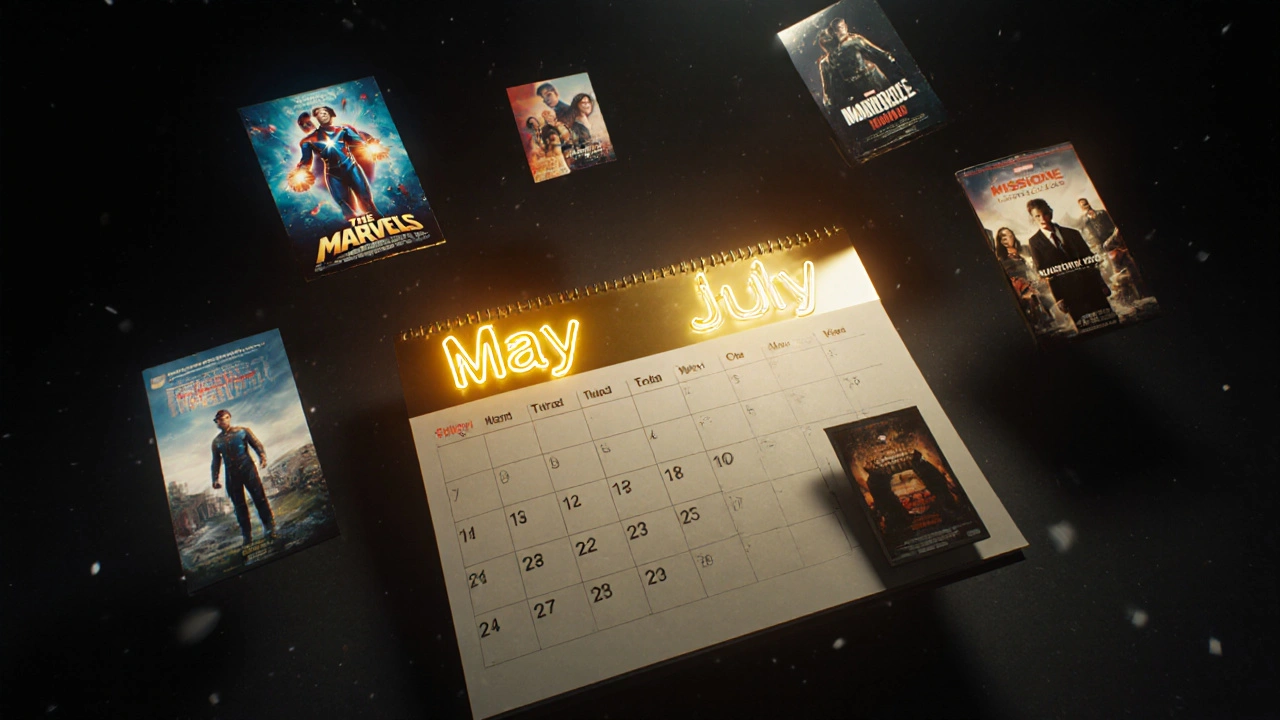
Release dates can make or break a movie's box office success. Timing affects audience turnout, competition, and marketing impact-here's how the calendar drives earnings.