Real Story Storytelling: How Authentic Narratives Shape Film and Connect With Audiences
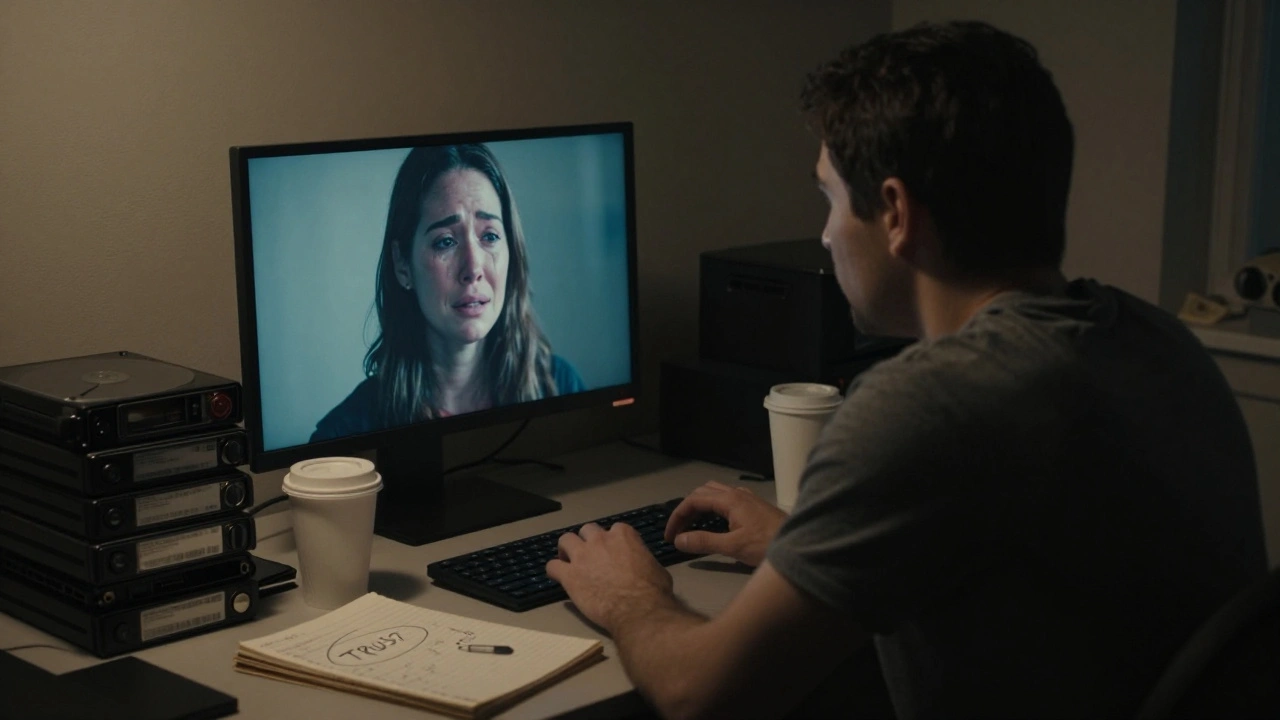
When we talk about real story storytelling, the practice of crafting films rooted in genuine human experience rather than manufactured plot devices. Also known as truth-driven narrative, it’s what makes audiences lean in—not because something exploded, but because they recognized themselves in it. This isn’t just a style. It’s a commitment. It’s the difference between a scene that feels written and one that feels lived.
Real story storytelling requires documentary filmmaking, a method focused on capturing real people, real moments, and real consequences without scripting the outcome. It relies on authentic interviews, techniques that build trust so subjects speak freely, not for the camera, but because they need to be heard. And it connects to screenplay theme, the deep, unanswered question at the heart of every great script—like ‘Can love survive grief?’ or ‘Is justice possible when the system is broken?’. These aren’t just tools. They’re the bones of stories that outlast trends.
You’ll find real story storytelling in the quiet moments of indie films where no music swells, in documentaries that let silence speak louder than narration, and in scripts where characters don’t monologue—they hesitate, change their minds, and say too little instead of too much. It’s why a film like The Power of the Dog hits harder than any action blockbuster: it doesn’t try to impress. It tries to be true. The same energy runs through interviews captured with patience, not pressure, and through short films that win Oscars not because they’re flashy, but because they feel like someone’s diary opened on screen.
What you’ll find here isn’t theory. It’s practice. These posts show how filmmakers get real emotion on camera without exploiting it, how writers build themes that stick because they come from lived truth, and how even low-budget projects can carry the weight of real human experience. Whether it’s through improvisation that feels unplanned but rings true, or through editing that cuts out the noise to leave only the pulse of a moment—you’ll see how the best films don’t invent stories. They uncover them.