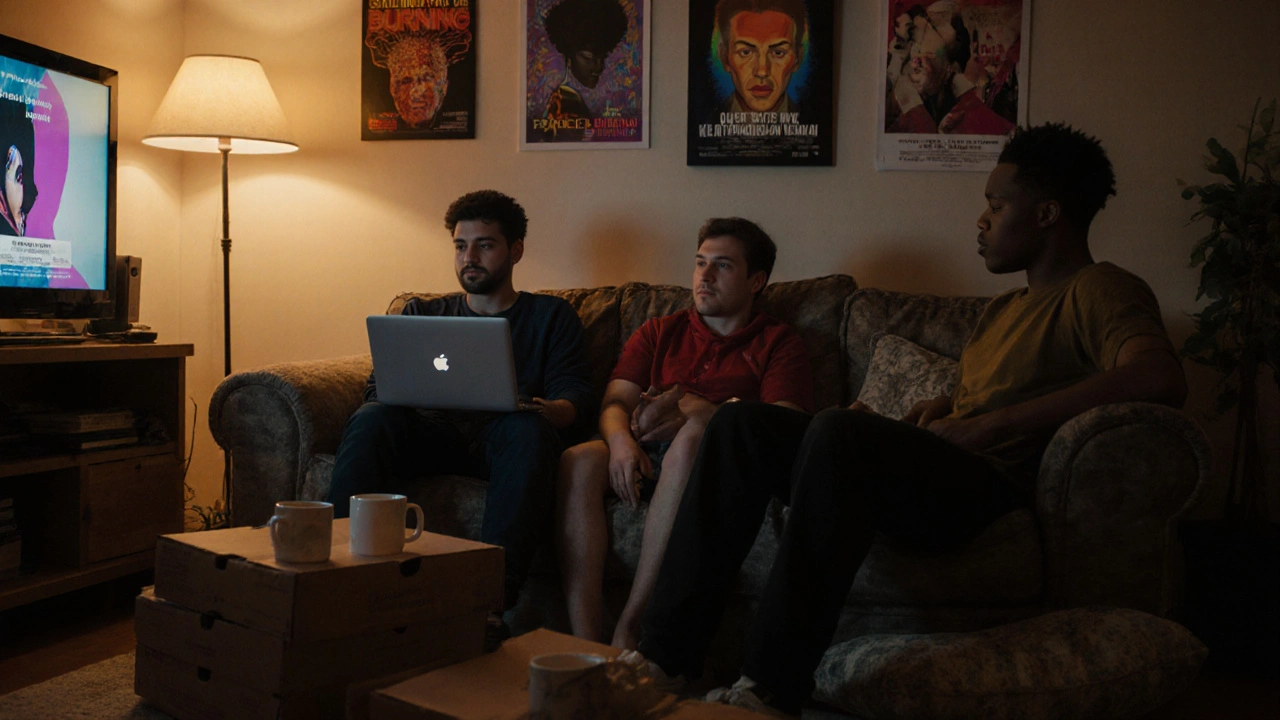
Queer Cinema Events: Where Stories, Visibility, and Film Collide
When we talk about queer cinema events, public gatherings where LGBTQ+ films are shown, discussed, and celebrated, often as part of festivals or community screenings. These aren’t just movie nights—they’re spaces where identity meets art, and visibility becomes a form of power. From small town theaters to major festivals like Outfest and Frameline, these events give voice to stories mainstream cinema has ignored for decades.
Behind every queer cinema event is a network of LGBTQ+ filmmakers, directors, writers, and producers who create work outside traditional studio systems, often with limited funding but immense creative urgency. These creators don’t just make films—they build worlds where love, trauma, joy, and resistance are shown without apology. Their work thrives because of festivals that prioritize authenticity over commercial appeal. And it’s not just about screening films—it’s about connecting audiences to people who made them. Q&As, panels, and workshops turn viewers into advocates.
Then there’s queer film distribution, the process of getting LGBTQ+ films seen beyond festival circuits, through streaming, community screenings, and educational platforms. Many of these films never hit theaters, but they find life through grassroots networks. A film that premieres at a queer cinema event in Toronto might later screen in a high school in rural Texas, sparking conversations no textbook ever could. These events are the lifeblood of distribution when studios won’t touch the material.
And let’s not forget the history. Queer cinema events didn’t start as glamorous affairs. They began in basements, community centers, and activist spaces during the AIDS crisis—when the world refused to look. Those early screenings kept people alive, not just emotionally, but politically. Today’s festivals carry that legacy. They’re where a first-time director from Manila can meet a buyer from Netflix, where a trans teenager sees their story on screen for the first time, where a grandmother learns to understand her grandson through a film she didn’t know existed.
What you’ll find in this collection isn’t just a list of events. It’s a map of how queer cinema survives, grows, and changes the industry from the inside out. You’ll read about how filmmakers pitch their stories to streamers, how indie queer films get noticed in a sea of content, and how festivals—virtual and in-person—are the only real stage for many of these voices. These aren’t side stories. They’re central to the future of film.