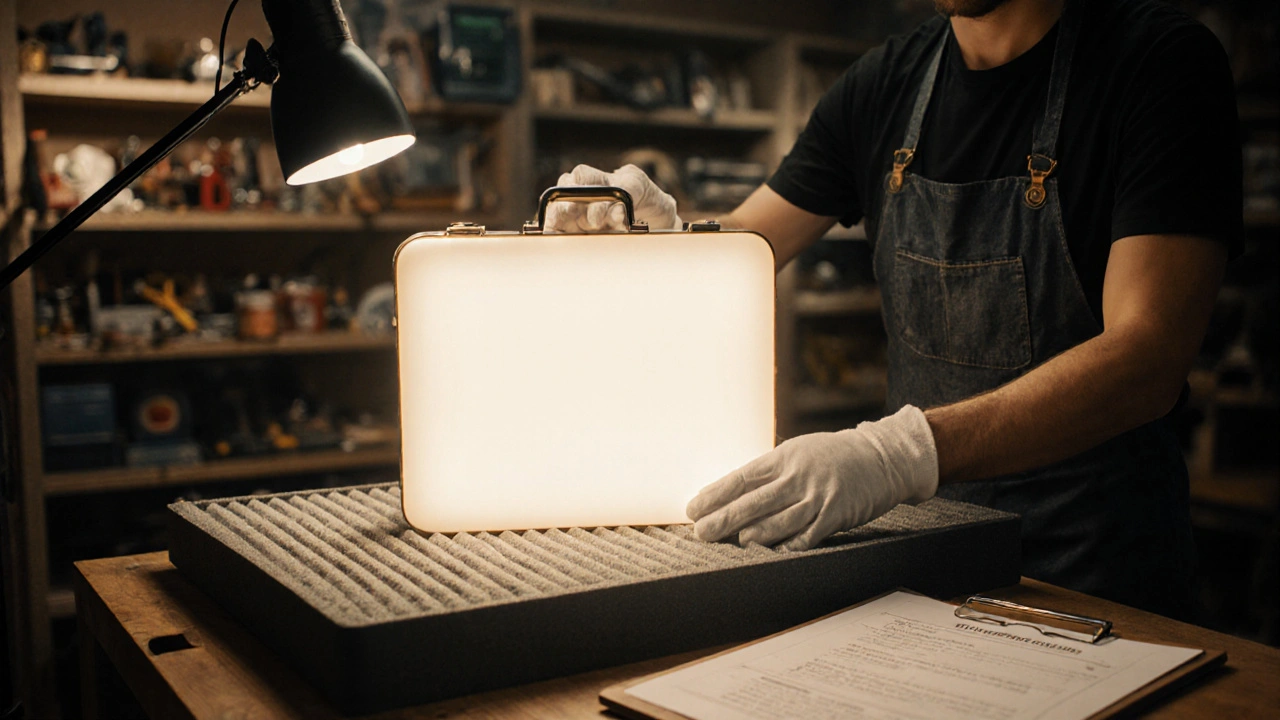
Prop Sourcing: How Film Projects Find Locations, Gear, and Resources
When you watch a scene where a character picks up a coffee mug, opens a dusty book, or pulls a rusty key from their pocket—that object didn’t just appear. It was prop sourcing, the process of finding, acquiring, and placing physical objects used in film production to support storytelling. Also known as prop acquisition, it’s the quiet art behind the scenes that makes a world feel real. A broken watch in a war film isn’t just a prop—it’s a symbol of lost time. A 1980s VCR in a coming-of-age story isn’t just set dressing—it’s a time machine. Without the right props, even the best script falls flat.
Production design, the overall visual concept of a film’s environment relies on prop sourcing, the process of finding, acquiring, and placing physical objects used in film production to support storytelling to bring that vision to life. A director might want a 1972 Ford Mustang in a scene, but the studio budget won’t cover buying one. So the prop team finds a similar model at a local garage, restores it with rented parts, and tweaks the paint to match the script’s tone. It’s not about buying the most expensive thing—it’s about finding the right thing at the right price. This is where movie set dressing, the placement and arrangement of props and furniture to create believable environments steps in. Set dressers don’t just arrange items—they build history into a room. A kitchen with mismatched plates, a half-eaten sandwich on the counter, and a sticky note on the fridge tells a story before a single line of dialogue is spoken.
Independent films often rely on thrift stores, estate sales, and local collectors because they can’t afford custom builds. Big-budget films might rent from specialized prop houses in Los Angeles or London, but even they need to source unique items—like a real Soviet-era radio for a Cold War thriller or a handmade doll for a horror film. Some props are borrowed from museums. Others are built from scratch by artisans. The key is knowing where to look and who to ask. A prop master doesn’t just shop—they network. They call up retired engineers for vintage circuit boards, track down collectors of 19th-century typewriters, or visit flea markets in Eastern Europe for authentic Cold War memorabilia.
And it’s not just about the object itself—it’s about how it moves. A prop that clinks too loudly on camera can ruin a take. A book that doesn’t open right can break immersion. That’s why prop teams test everything. They check weight, sound, durability, and how it looks under different lighting. One wrong prop can make a period piece feel fake. One perfect prop can make a moment unforgettable.
Below, you’ll find real-world examples from filmmakers who’ve cracked the code on prop sourcing—whether they’re hunting for a single antique key or building an entire 1950s diner from scratch. These stories aren’t about luck. They’re about persistence, creativity, and knowing where to look when the script demands something no store sells.