Prop Department: What It Does and Why It Matters in Film Production
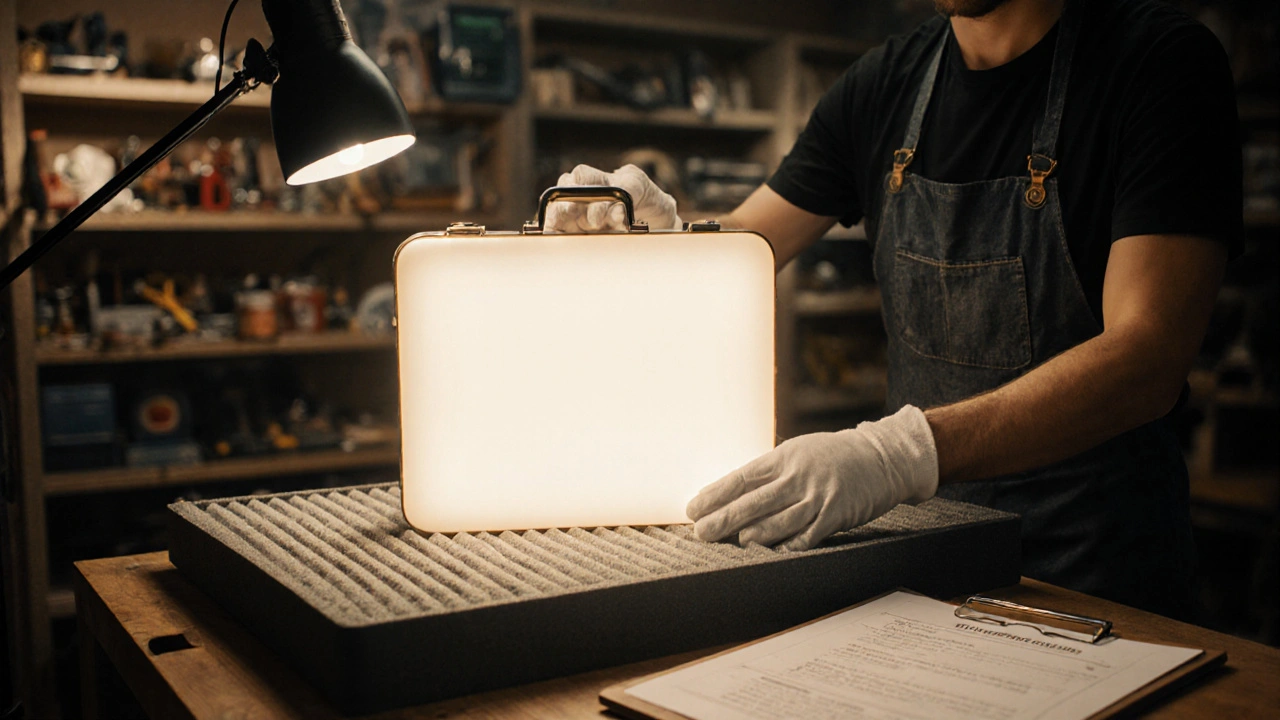
When you watch a movie and believe a character is holding a real vintage radio or wearing a worn-out leather jacket, you’re seeing the work of the prop department, the team responsible for sourcing, creating, and managing all physical objects used by actors in a film. Also known as props crew, it’s the quiet force that turns sets into lived-in worlds. Without them, even the most expensive set looks empty. A chair isn’t just a chair—it’s a character’s throne, a relic of trauma, or a symbol of lost wealth. The prop department decides what that chair looks like, how worn it is, where it’s been, and why it matters.
The production design, the overall visual concept of a film’s environment sets the tone, but the prop department, the team responsible for sourcing, creating, and managing all physical objects used by actors in a film fills it with truth. A detective’s desk isn’t just cluttered—it’s cluttered with case files from 1997, a half-empty bottle of bourbon, and a photo of someone who’s gone. That’s not set dressing. That’s prop work. And it’s not random. Every object is chosen to support the story, reveal character, or foreshadow plot. The set dressing, the background elements that fill spaces like walls, shelves, and floors adds texture, but the prop department puts things in hands—things that move the story forward.
Think about the difference between a generic gun on a table and the exact model a character used in their last job. Or how a wedding ring that’s too tight tells you more than dialogue ever could. These aren’t accidents. They’re decisions made by prop masters who study scripts like detectives, track down obscure items from the 1970s, build fake weapons that look real, and keep track of every coffee stain on every cup across 14 shooting days. It’s part archaeology, part logistics, part psychology. And it’s why you never notice how good the props are—until they’re wrong.
The posts below dive into how this unseen world connects to bigger film processes: how low-budget crews stretch every dollar to build believable sets, how streaming films match theatrical quality through attention to detail, and how even animated movies rely on physical references to make digital worlds feel real. You’ll see how props aren’t just background noise—they’re the quiet heartbeat of storytelling. Whether you’re a filmmaker, a fan, or just someone who’s ever wondered why that old typewriter in the corner mattered, you’ll find real examples, real methods, and real insight here.