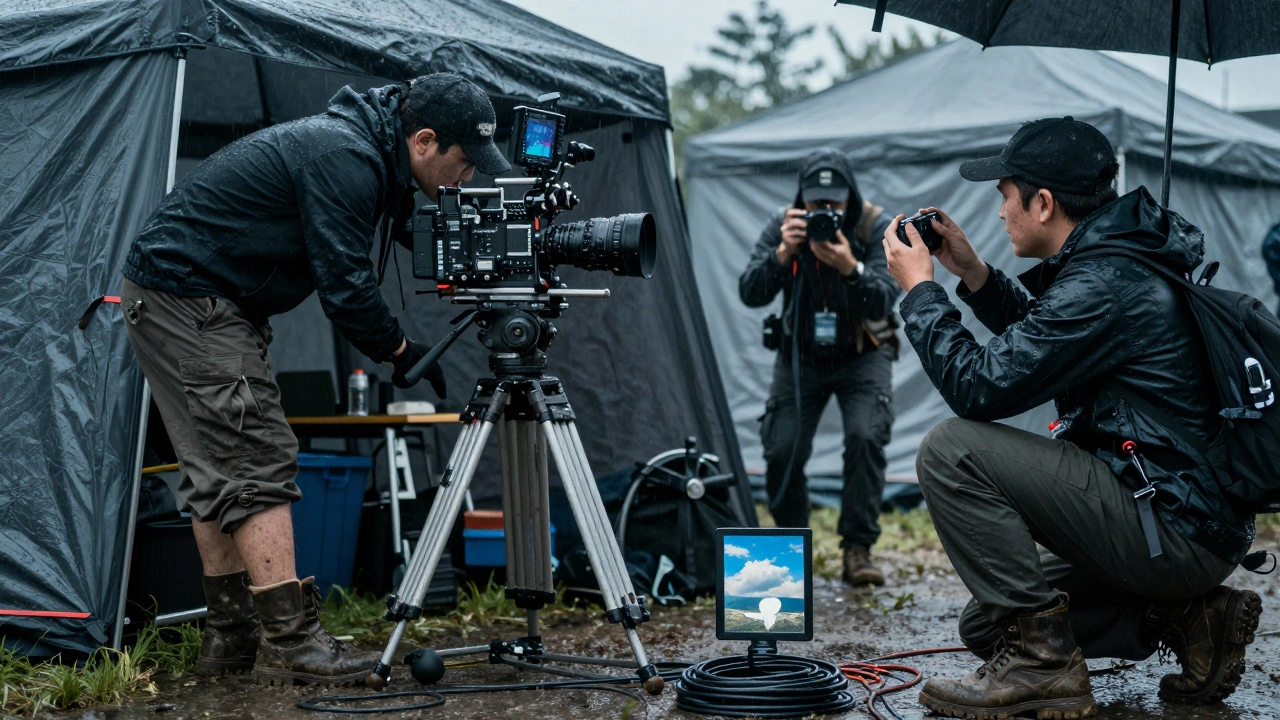
Production Insurance Claims: What Filmmakers Need to Know
When something goes wrong on set—whether it’s a sudden injury, a storm wrecking your location, or a key actor pulling out—production insurance claims, a financial safety net for film productions that covers unexpected losses during shooting. Also known as film insurance, it’s not optional—it’s the backbone of every serious project, from indie shorts to big-budget features. Without it, a single accident can wipe out your budget, delay your shoot for months, or even kill the film entirely.
These claims aren’t just about fixing broken equipment. They cover a wide range of risks: cast illness or injury, location cancellations, equipment theft, delays from weather or strikes, and even script rewrites forced by union rules. The film insurance, specialized coverage designed for the unique financial and operational risks of movie production you buy depends on your shoot’s size and location. For example, if you’re filming in a region prone to wildfires or hurricanes, your policy will include weather-related protections. If you’re using stunts or special effects, you’ll need extra coverage for stunt performers and pyrotechnics. And if you’re working with union talent, you’ll need to comply with their minimum insurance requirements—something many first-time producers overlook until it’s too late.
What makes production insurance claims, the formal process of requesting compensation after a covered loss during film production tricky isn’t the claim itself—it’s the paperwork. Insurers demand detailed logs: who was injured, when did the delay happen, what equipment was damaged, and how much was lost. Many filmmakers lose out because they didn’t document everything properly. A missing timecard, an unreported weather report, or a forgotten repair receipt can turn a valid claim into a denied one. That’s why smart crews keep daily logs, save every invoice, and assign someone—usually the line producer—to handle insurance communication from day one.
And it’s not just about money. Production insurance also protects your team. If a crew member gets hurt on your set, liability coverage kicks in to cover medical bills and legal fees. Without it, you could be personally sued. That’s why even micro-budget films with no investors still need basic coverage. It’s not a luxury—it’s a legal and moral responsibility.
Below, you’ll find real-world breakdowns of how these policies work, what they actually cover, and how to file claims without getting lost in the fine print. From CAM agreements that track your money to how production incentives can reduce your insurance costs, these posts give you the tools to protect your film before disaster strikes.