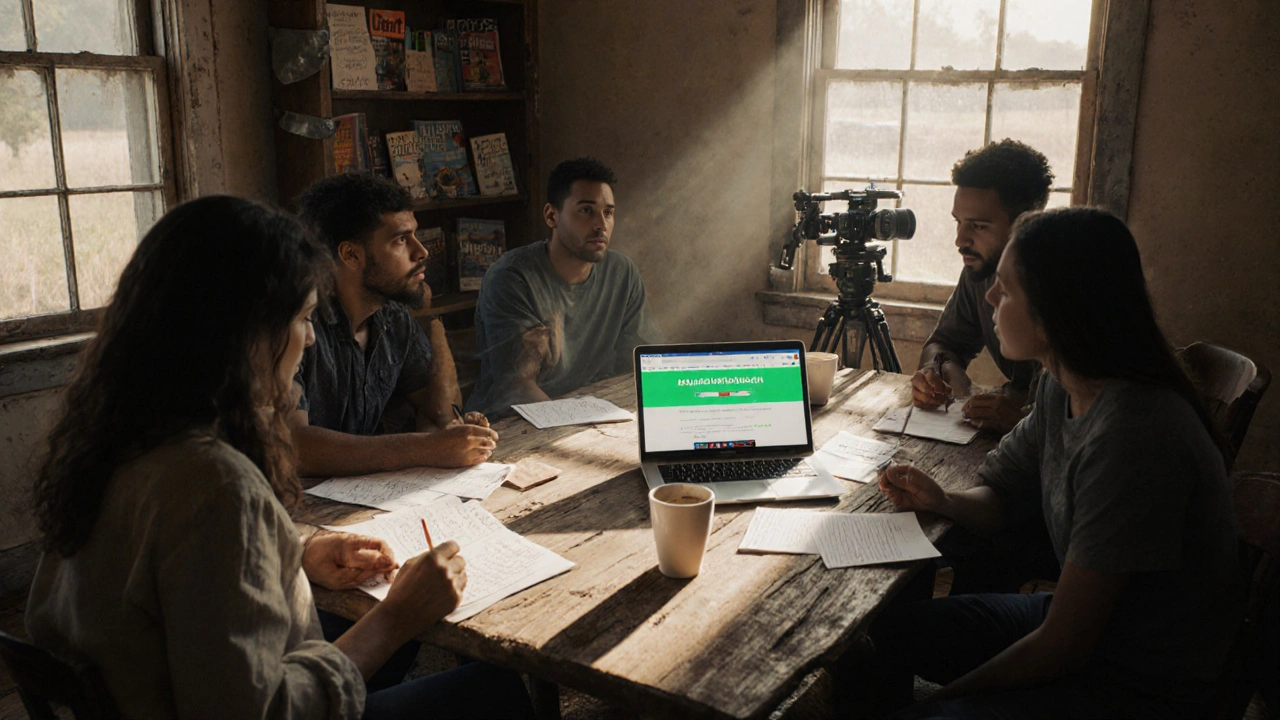
Private Investors for Indie Films: How to Attract Funding Without Studio Backing
When you’re making an indie film, studios aren’t knocking down your door. That’s where private investors for indie films, individuals who put their own money into films they believe in, often with no ties to major studios. Also known as angel investors in cinema, they’re not looking for blockbusters—they’re looking for stories that move them, teams they trust, and a clear path to get their money back. Unlike studios, these people don’t need a franchise or a star. They want a solid plan, transparency, and proof that you know how to make a film that can find an audience—even on a tight budget.
These investors don’t just hand over cash. They expect to see how you’ll use their money, what happens if things go wrong, and how you’ll get the film seen. That’s why pre-sales financing, selling distribution rights in advance to secure funding before shooting begins matters so much. It shows investors you’ve already done the legwork to reach buyers in key markets. And when you pair that with production incentive programs, government cash rebates for spending locally on crew, locations, and equipment, you’re not just asking for a loan—you’re offering a smart, low-risk opportunity. Investors notice when you’ve mapped out tax credits, insurance, and distribution channels before you even turn on the camera.
It’s not just about money. It’s about trust. The best indie filmmakers don’t just pitch a script—they pitch themselves. They show past work, even if it’s short films or web series. They explain how they’ll handle delays, budget overruns, or crew issues. They don’t hide risks; they own them. That’s why production insurance claims, the safety net that protects against equipment damage, cast injuries, or weather delays aren’t just paperwork—they’re proof you’re serious. Investors want to know their money won’t vanish if a storm cancels a shoot or an actor gets hurt. A clear insurance plan says: I’ve thought this through.
And it’s not just about getting funded. It’s about keeping control. Private investors aren’t usually interested in editing your film or choosing the lead actor. They want a return. That’s why the most successful filmmakers set clear terms upfront: how much equity they’re offering, when investors get paid back, and what kind of reporting they’ll receive. No vague promises. No hidden fees. Just facts, figures, and a roadmap.
What you’ll find below are real stories from filmmakers who’ve walked this path. You’ll see how they convinced strangers to fund their vision, how they avoided common mistakes that scare off investors, and how they used tools like pre-sales, tax credits, and insurance to turn small checks into finished films. These aren’t fairy tales. These are blueprints.