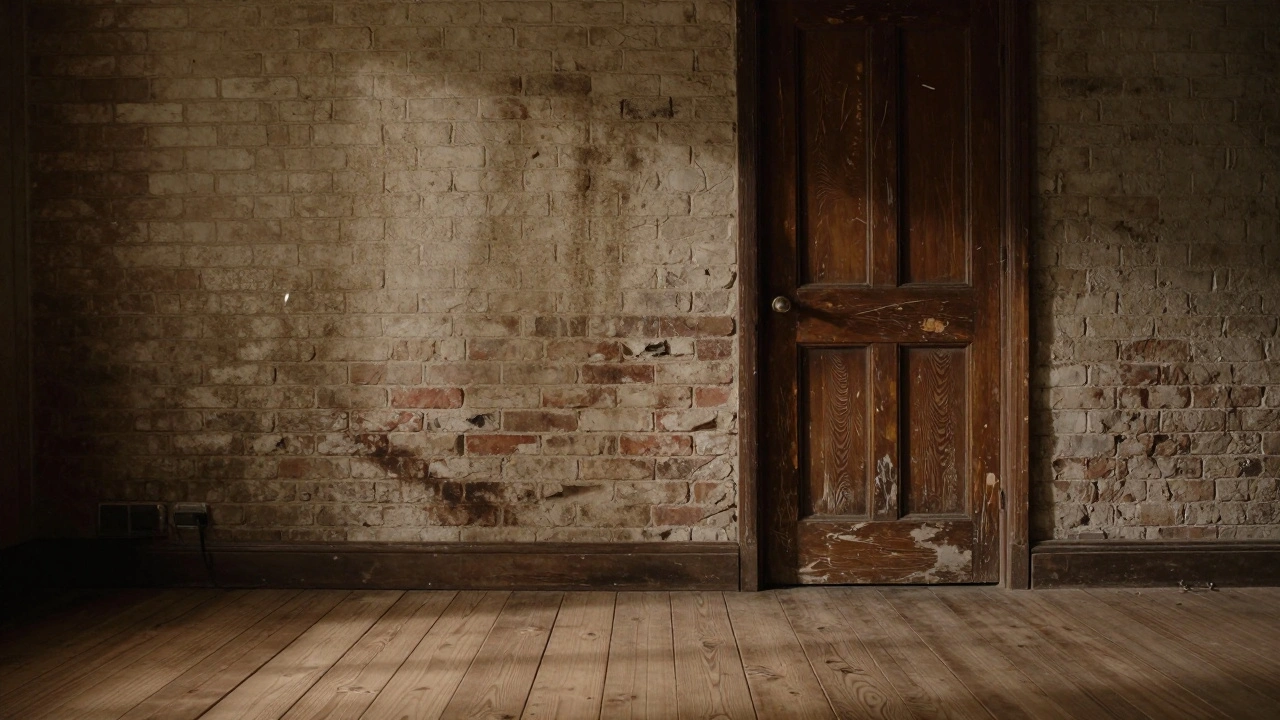
Practical Set Materials: What Goes Into Realistic Film Sets
When you see a crumbling brick wall, a blood-splattered floor, or a rusted car door that actually opens in a movie, you’re not looking at pixels—you’re looking at practical set materials, physical objects built and aged by hand to create believable environments on film. Also known as real-world set dressing, these are the tangible elements that actors touch, break, and interact with—making scenes feel alive in a way digital effects often can’t replicate. Whether it’s a 1970s diner with sticky booths or a post-apocalyptic street littered with debris, practical set materials give texture, weight, and truth to a scene.
These materials aren’t just props—they’re the backbone of film set construction, the process of building and dressing physical environments for filming. Also called set dressing, it includes everything from custom-built furniture to hand-painted backdrops. A good set designer doesn’t just buy items—they source, modify, age, and sometimes destroy them to match the story’s tone. This is where prop fabrication, the custom creation of objects that don’t exist in the real world or need to be altered for film. Also known as special effects props, it overlaps with practical set materials when a weapon, gadget, or creature part needs to be built from scratch using foam, resin, or metal. And when a director wants a wall to collapse for real? That’s where physical effects, on-set, non-digital effects created using mechanics, pyrotechnics, or structural manipulation. Also known as in-camera effects, it turns a static set into something dynamic and dangerous—without waiting for post-production.
Why does this still matter in the age of CGI? Because actors react differently when they’re touching something real. A hand brushing against actual dirt feels different than green screen. A door that slams shut with real hinges adds sound, vibration, and timing that no render can perfectly copy. Films like Mad Max: Fury Road and The Revenant didn’t just use practical sets—they relied on them to drive performances and camera movement. Even big-budget movies now mix digital effects with physical elements because audiences notice when something feels weightless or fake.
The posts below dig into how these materials are made, when they’re used, and how they save time and money on set. You’ll find stories about how indie crews built entire towns from scrap, how weathering techniques trick the eye, and why some directors refuse to use CGI for simple things like rain or smoke. Whether you’re a filmmaker on a budget or just curious about how movies feel so real, these articles show the craft behind the illusion.