POV Camera: How First-Person Shots Shape Film Storytelling
When you see a film through a character’s eyes—blood on the lens, shaky hands, the floor rushing up—it’s not just a shot, it’s a POV camera, a filming technique that captures a scene exactly as a character would see it, placing the viewer directly inside their experience. Also known as first-person perspective, it’s one of the most powerful tools in cinematography for making audiences feel something real, not just watch something happen.
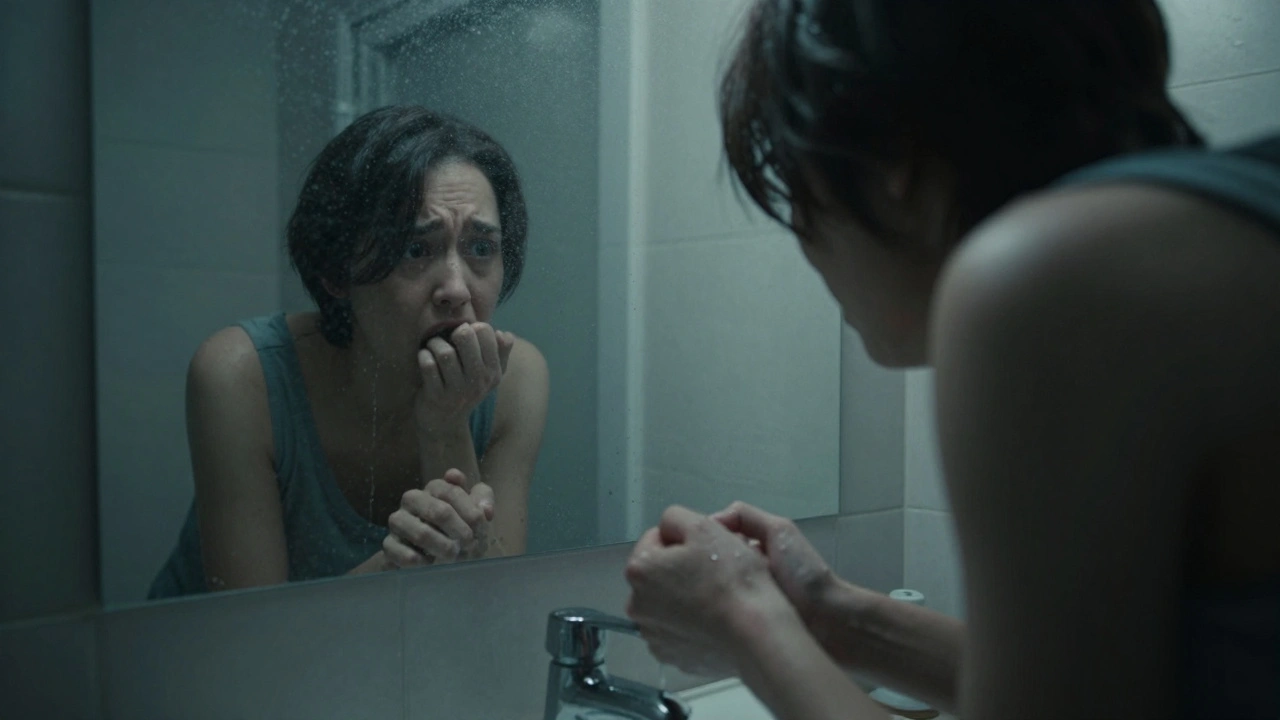
A POV camera doesn’t just show what a character sees—it makes you feel what they feel. That’s why it’s used in horror to turn a hallway into a nightmare, in action films to make every punch land in your chest, and in dramas to turn silence into suffocation. It’s not about fancy gear. It’s about intention. A shaky handheld shot in The Blair Witch Project wasn’t a mistake—it was the whole point. Same with the helmet cam in Black Hawk Down, or the locked-off shot in Requiem for a Dream as the character stares into the mirror. These aren’t just camera angles; they’re emotional triggers. And they only work if the camera feels like part of the body, not just a tool in the crew’s hands.
But here’s the catch: a bad POV shot breaks the spell. Too much shaking, too long without relief, or worse—when the camera suddenly knows things the character couldn’t—like seeing their own face mid-scream—that’s when viewers snap out of it. That’s why directors who use it well pair it with tight editing, sound design that mimics breath or heartbeat, and moments of stillness to let the tension breathe. It’s not just about the camera—it’s about the camera movement, the lighting, the space around the character, and how long you let the audience sit in that uncomfortable headspace. The best POV shots don’t just show you what’s happening—they make you question whether you want to keep watching.
That’s why the posts below dive into how filmmakers actually pull this off. From the technical side—how to stabilize a rig on a moving vehicle or hide a camera on an actor’s chest—to the creative choices: when to use it, when to pull back, and how to avoid turning your film into a first-person video game. You’ll find real examples from indie shoots and big-budget films, breakdowns of what works, and why some of the most memorable scenes in cinema didn’t need dialogue to hit you like a punch.