How to Critique Acting in Film Reviews: A Practical Guide
Learn how to analyze and write about acting in film reviews with practical tools, real examples, and common mistakes to avoid. Focus on truth, not just technique.
When we talk about performance analysis, the systematic evaluation of how individuals and systems contribute to a film’s success. Also known as film performance evaluation, it’s not just about whether an actor nailed their lines—it’s about how lighting choices, editing rhythms, crew coordination, and even distribution strategies shape the final experience. This isn’t guesswork. It’s data-driven, on-set, and often invisible until something goes wrong—or something clicks.
Think of actor performance, the measurable emotional and technical impact of an actor’s portrayal in a scene. Film readers flag when a performance feels forced, not because it’s bad acting, but because it doesn’t align with the script’s emotional core. That’s performance analysis. Same with film production, the entire workflow from pre-lighting to post-financing that determines whether a film delivers on its promise. CAM agreements aren’t just legal documents—they’re performance trackers for money. Pre-sales financing? It’s a test of market confidence before a single frame is shot. Even cinematic storytelling, how narrative structure, framing, and sound guide audience emotion is analyzed frame by frame. Directors and editors use timing charts, audience reaction heatmaps, and even eye-tracking studies to see if the story lands.
What you’ll find in these posts isn’t theory. It’s real work. From how intimacy coordinators measure emotional safety on set to how film composers sync music to picture with millisecond precision—every post here shows how performance analysis lives in the trenches. You’ll see how indie crews negotiate fair pay without burning out, how documentary filmmakers capture raw moments by controlling silence, and why some films flop not because they’re bad, but because their performance metrics never aligned with audience expectations. This isn’t about praise. It’s about understanding what actually moves the needle—on screen and behind the scenes.
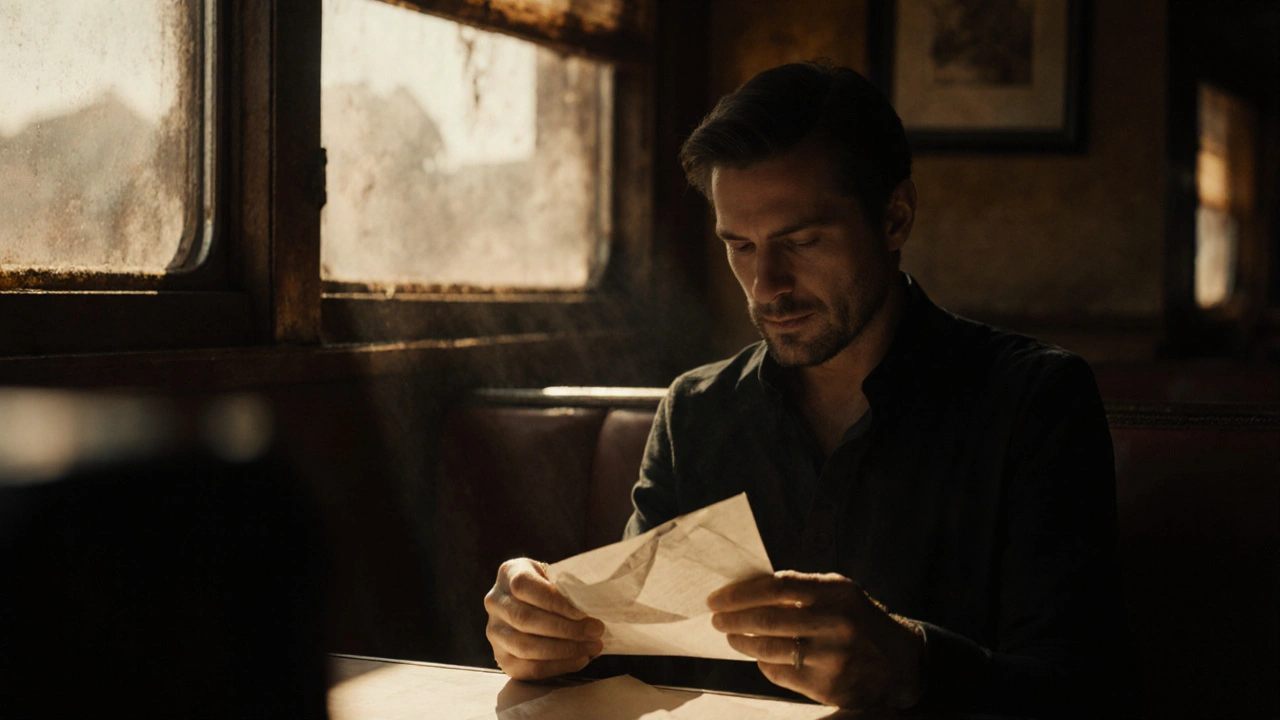
Learn how to analyze and write about acting in film reviews with practical tools, real examples, and common mistakes to avoid. Focus on truth, not just technique.