Patient Storytelling in Film: How Real Lives Shape Powerful Cinema
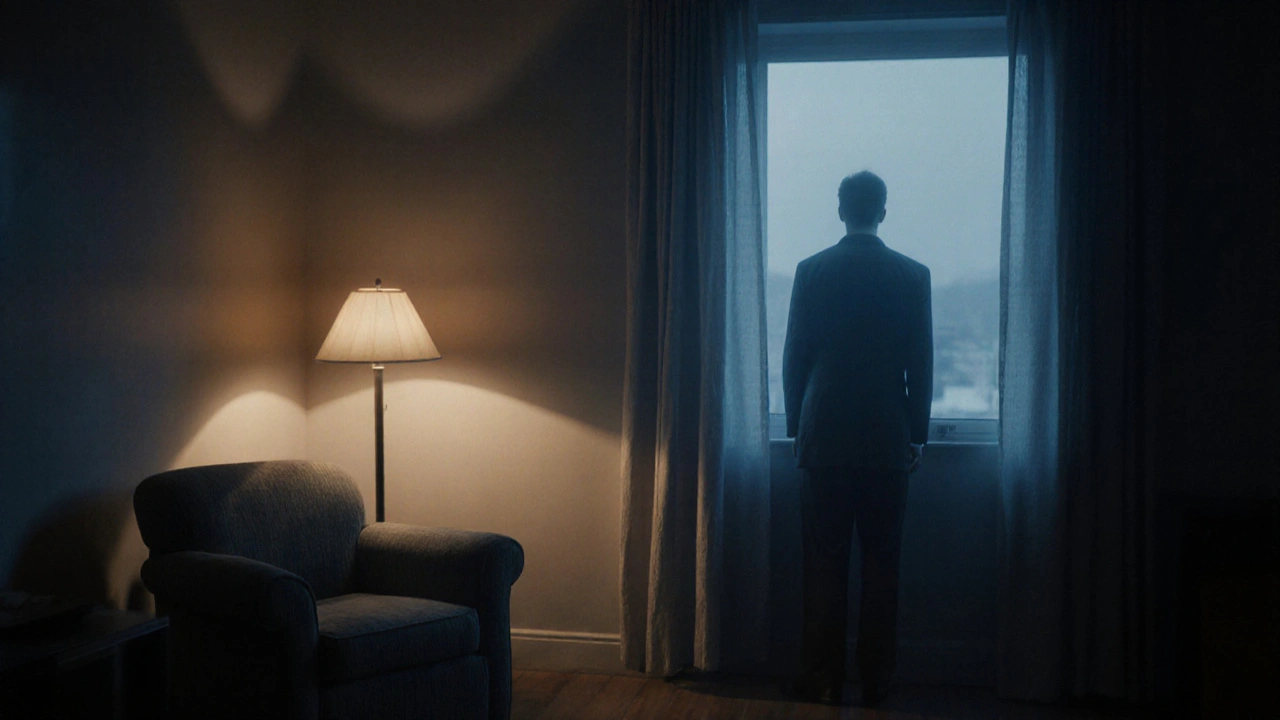
When we talk about patient storytelling, a filmmaking approach that prioritizes slow, deliberate, and emotionally grounded narratives over fast-paced drama. Also known as observational cinema, it’s the art of letting people speak for themselves—without manipulation, voiceovers, or rushed cuts. This isn’t about grand reveals or cliffhangers. It’s about sitting with silence, watching hands tremble, noticing how a glance holds more weight than a monologue. In a world where algorithms push the loudest content, patient storytelling stands out because it asks you to lean in, not scroll away.
This style doesn’t just show events—it reveals how people live through them. You’ll find it in documentaries about aging parents, in films following refugees rebuilding their lives, or in quiet dramas about workers holding onto dignity after layoffs. It’s the opposite of sensationalism. documentary filmmaking, a genre that often relies on patient storytelling to build trust and authenticity has become its strongest home, but it’s also shaping narrative features. Directors like Kelly Reichardt and Chloé Zhao don’t force emotion—they let it rise naturally from the rhythm of daily life. And audiences notice. When a film takes its time, it gives space for viewers to connect—not because they’re told to, but because they recognize themselves in the stillness.
What makes patient storytelling powerful isn’t the subject—it’s the respect. It means letting someone tell their story without cutting them off, without adding music to tell you how to feel, without turning trauma into spectacle. emotional narrative, a storytelling method built on subtle cues, body language, and lingering moments rather than dialogue-driven drama thrives here. You learn about grief not from a speech, but from a character staring at an empty chair for thirty seconds. You understand poverty not from statistics, but from a hand counting coins too slowly to make them stretch.
This approach doesn’t need big budgets. It needs time, patience, and trust. That’s why so many indie films, especially those shown at festivals like Sundance or IDFA, use this method. It’s how a short film about a grandmother knitting in a nursing home can go viral—not because it’s flashy, but because it feels true. And in 2025, with audiences tired of manufactured drama, this kind of cinema is more urgent than ever.
Below, you’ll find real examples of how filmmakers are using patient storytelling to give voice to overlooked lives—from quiet character studies to deeply personal documentaries. These aren’t just films. They’re acts of witness. And they’re changing what we expect from stories on screen.