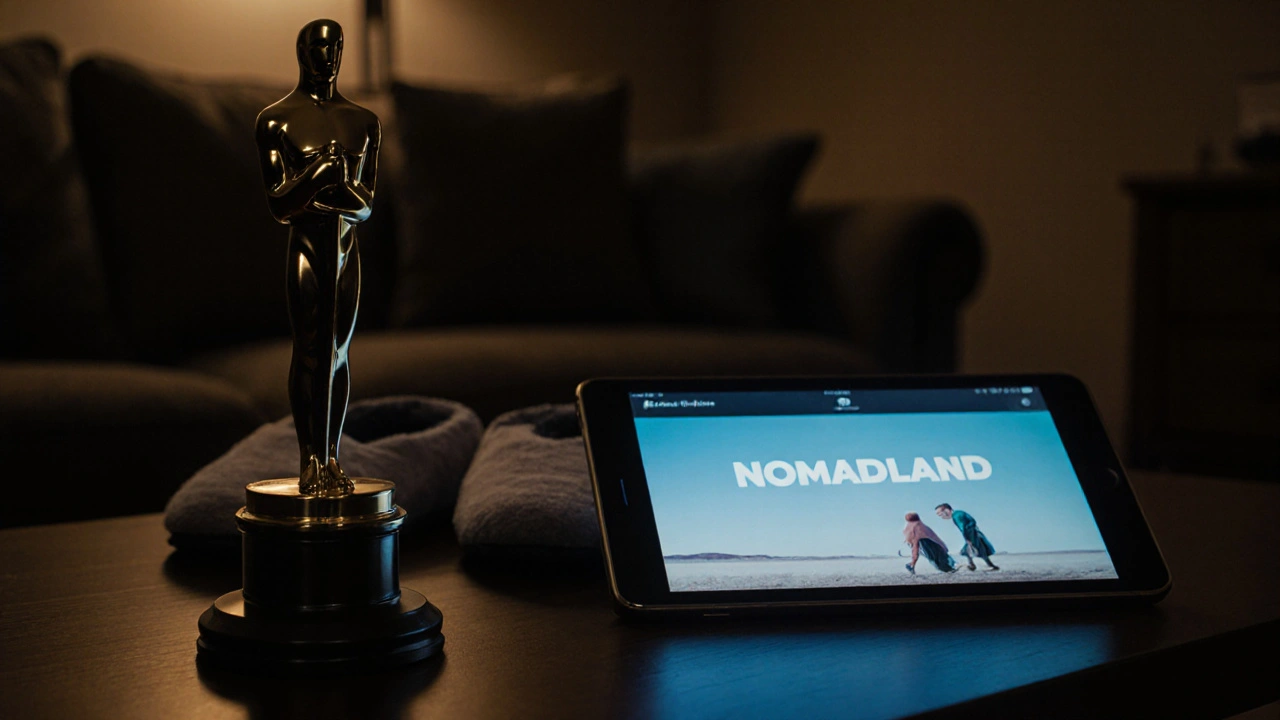
Oscars Strategy: How Films Win Awards Through Campaigns, Inclusion, and Timing
When studios talk about Oscars strategy, a planned, often year-long effort to position a film for Academy Award consideration through targeted marketing, screenings, and outreach. Also known as Oscar campaign, it’s not about how good the movie is—it’s about how well it’s seen by the right people at the right time. Winning an Oscar doesn’t happen by accident. It’s built through months of careful moves: private screenings for voters, strategic release windows, and messaging that turns a movie into a cultural moment.
One of the biggest shifts in recent years? inclusion in film, the deliberate effort to feature diverse casts, crews, and stories in ways that feel authentic, not performative. Also known as diversity in cinema, it’s now a core part of any serious Oscars strategy. Films with women, people of color, and LGBTQ+ creators behind the camera don’t just check boxes—they win. Look at 2026’s shortlists: movies with diverse production teams dominated the nominations, not because of quotas, but because voters responded to stories that felt real and fresh. This isn’t just ethics—it’s economics. Studios now hire inclusion consultants before shooting even begins, because they know representation drives awards attention. And it’s not just who’s on screen—it’s who’s in the room. The Academy’s voter base has changed. More international members, more younger voters, more women. That changes what stories get noticed. A film about a deaf family in a small town can win Best Picture if it’s marketed as a human triumph, not a niche drama.
Then there’s trade ads, paid advertisements in industry publications like Variety and The Hollywood Reporter aimed directly at Academy voters. Also known as awards PR, these aren’t billboards—they’re carefully crafted arguments. One ad might show a director’s handwritten note about why the film matters. Another might list every crew member who’s a first-time nominee. These aren’t about flashy visuals. They’re about making voters feel like they’re part of something important. And they work. Studios spend millions on these ads because they know voters are human—they remember the story behind the film, not just the film itself. Timing matters too. A film released in September has a better shot than one dropped in May. Festivals like Telluride and Venice are launchpads, not just events. A surprise screening at TIFF can turn a quiet indie into a frontrunner overnight. That’s why late additions and surprise films aren’t accidents—they’re tactics.
What you’ll find below are real examples of how this all plays out. From how indie films use geo-targeted ads to reach voters in key cities, to how presales and foreign sales fund Oscar campaigns before a single frame is shot. You’ll see how trade ads and inclusion aren’t separate ideas—they’re tools in the same toolbox. And you’ll learn why the best Oscars strategy isn’t about spending the most money—it’s about knowing who’s watching, what they care about, and how to make them feel like they’ve discovered something no one else has.