Prelighting Strategies: Efficient Film Lighting Setups for Smoother Shoots
Prelighting strategies help cinematographers set up efficient, intentional lighting before the shoot begins-saving time, reducing stress, and improving visual quality on set.
When you think about on-set lighting, the deliberate use of light sources during film production to shape visual tone and guide viewer attention. Also known as practical lighting, it’s the invisible hand that turns a shot from flat and lifeless into something that feels real, tense, or magical. It’s not just turning on a lamp—it’s choosing how hard or soft the light is, where it comes from, and what it hides as much as what it shows.
Key light, the main source that defines the subject’s shape and form is usually the first thing a gaffer sets up. But without a fill light, a softer, weaker source that reduces harsh shadows created by the key light, faces look like carved stone. Then there’s the backlight, a light placed behind the subject to separate them from the background—a simple trick that makes actors pop off the screen. These aren’t just technical terms; they’re tools that directors and cinematographers use to whisper emotions into a scene. A low-key setup with deep shadows? That’s suspense. A bright, even diffused glow? That’s hope. One wrong angle, and the whole mood collapses.
On-set lighting doesn’t happen in a vacuum. It’s shaped by the production design—the textures of walls, the color of costumes, the materials of props—all of which absorb or reflect light differently. A rusted metal door won’t bounce light the same way as polished chrome. That’s why set designers and gaffers work side by side, long before the camera rolls. And with the rise of LED panels, energy-efficient, color-tunable lights that replace traditional tungsten and HMI fixtures, crews now have more control than ever. You can shift from golden hour to midnight blue without changing bulbs. But even with all the tech, the best lighting still feels natural. It doesn’t call attention to itself—it just makes the story feel true.
What you see on screen isn’t luck. It’s a chain of decisions: where to place a 10K, whether to bounce light off a foam core, how much smoke to add to make beams visible. The posts below dig into how these choices are made—whether it’s the quiet glow of a single practical lamp in an indie drama, or the massive rig that lights a fantasy battle at 3 a.m. You’ll see how lighting affects performance, how budget limits force creativity, and why some of the most powerful scenes use less light, not more. This isn’t just about gear. It’s about seeing the world through a camera’s eyes—and learning how to control what the audience feels before a word is spoken.
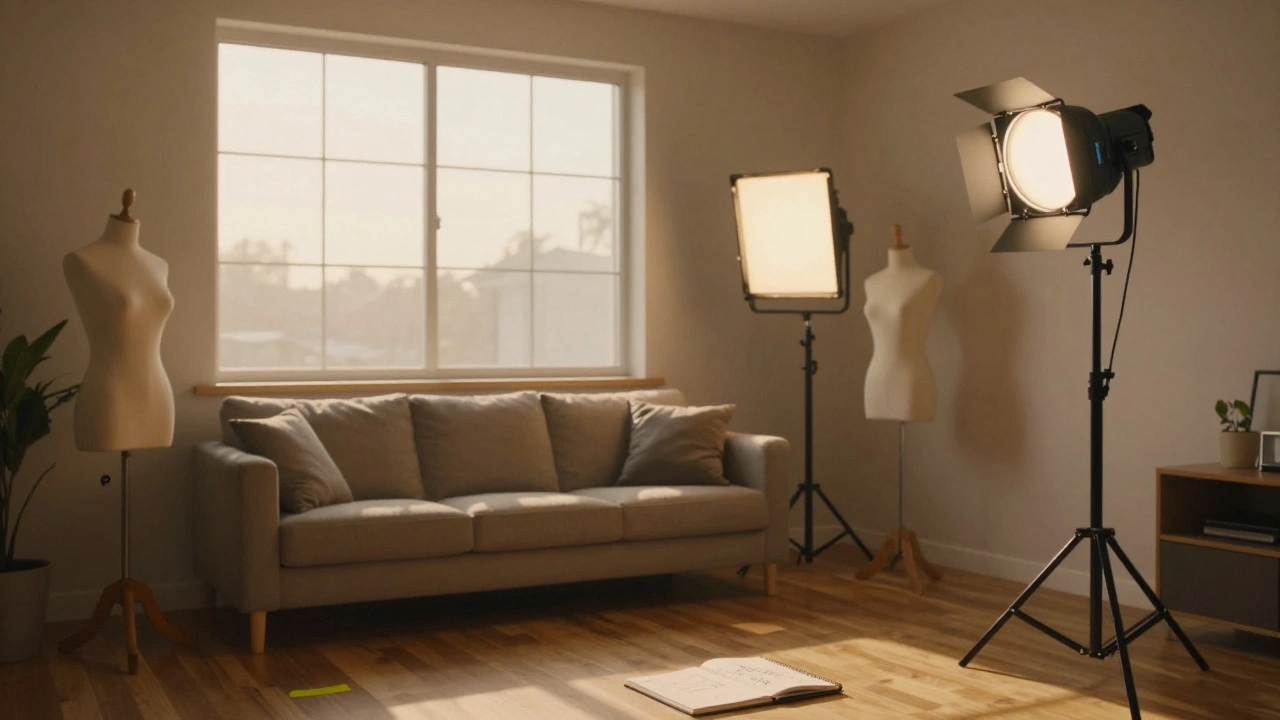
Prelighting strategies help cinematographers set up efficient, intentional lighting before the shoot begins-saving time, reducing stress, and improving visual quality on set.