Nollywood: The Rise of Nigeria's Film Industry and Its Global Impact
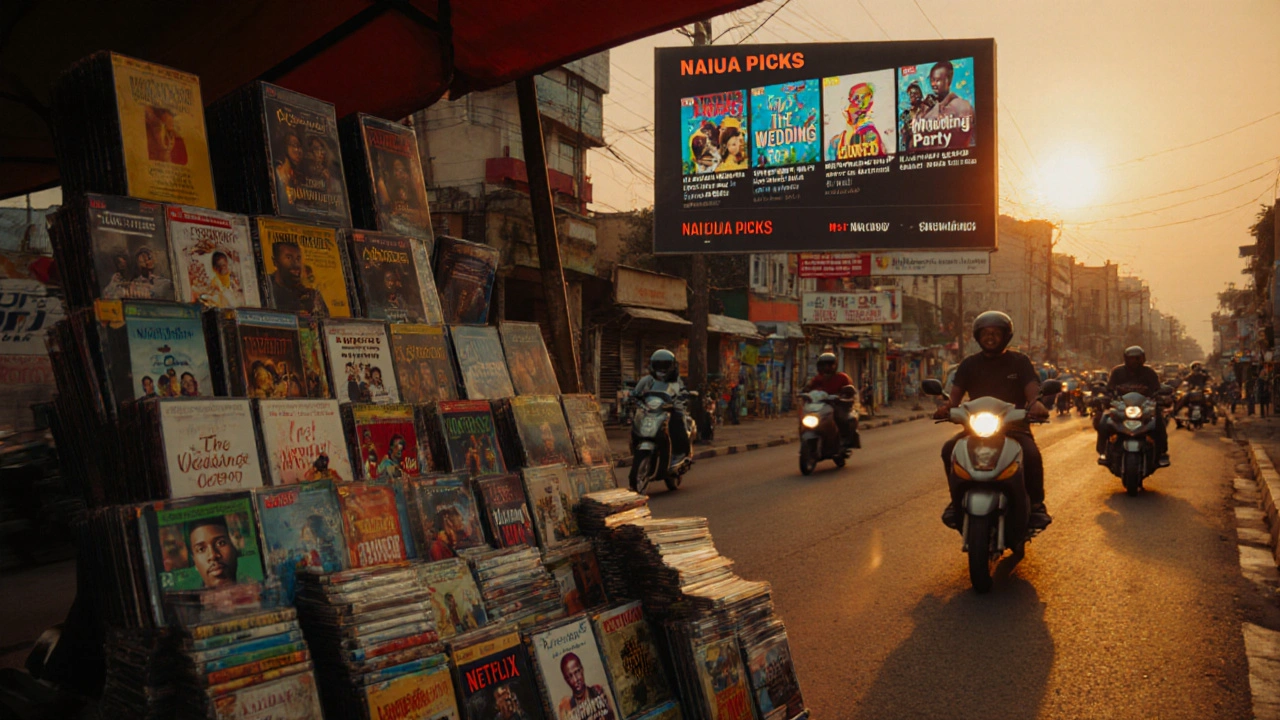
When you think of big film industries, Hollywood and Bollywood often come to mind—but Nollywood, the vibrant, fast-moving film industry based in Nigeria that produces more movies annually than any other country except India. Also known as Nigerian cinema, it’s not just a regional scene—it’s a cultural force that speaks directly to millions across Africa and beyond. Unlike Hollywood, Nollywood didn’t start with big studios or Hollywood-level budgets. It began in the 1990s with low-cost VHS tapes, street vendors, and filmmakers who shot on consumer cameras. Today, it’s a multi-billion-dollar industry that turns out over 2,500 films a year, many made in under two weeks and for less than $20,000.
Nollywood’s success comes from its raw connection to everyday life. Its stories aren’t about superheroes or space wars—they’re about family drama, street hustle, love in Lagos, corruption in government offices, and the power of faith. These aren’t just entertainment; they’re mirrors. And because they’re made by Nigerians, for Nigerians, they don’t need to explain cultural context to work. That authenticity is why Nollywood films are now streaming on Netflix, Amazon Prime, and YouTube across Europe, the U.S., and the Caribbean. The industry doesn’t rely on film festivals to survive—it thrives on mobile phones, local TV stations, and digital platforms where viewers don’t wait for a theater release.
Behind the scenes, Nollywood is changing how films get made. It doesn’t need big studios or expensive gear. Many directors use smartphones, natural light, and non-professional actors who are real people from the streets. This is microbudget filmmaking at its most powerful. It’s also a model for other emerging film markets in Africa—Ghana, Kenya, South Africa—showing that you don’t need Hollywood’s money to tell stories that move people. And while Hollywood debates whether to include African characters, Nollywood already has them front and center, played by actors who look like the audience.
What’s more, Nollywood is quietly reshaping global film distribution. It bypasses traditional gatekeepers. A film can be shot in Abuja, edited in a bedroom, uploaded to a streaming app, and watched in Accra, London, or Atlanta—all within days. No studio approval needed. No foreign sales team required. Just a story, a phone, and a network of viewers who care. That’s why you’ll find Nollywood films topping the charts on YouTube Africa and dominating TikTok trends with viral scenes.
Below, you’ll find articles that dig into how Nollywood works—the funding, the tech, the marketing, and the cultural impact. You’ll see how it compares to other indie film scenes, how it uses digital tools to compete with Hollywood, and why its rise isn’t just about numbers—it’s about who gets to tell stories in cinema today.