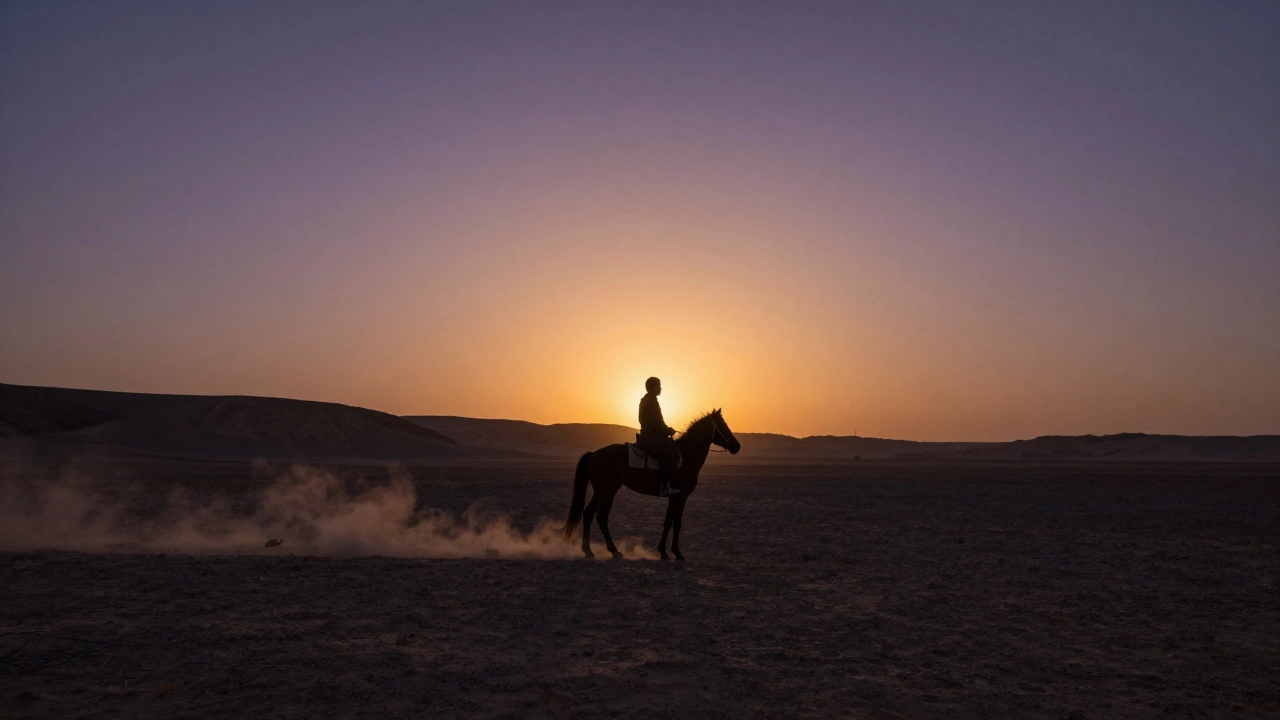
Neo-Western Films: Modern Takes on the Classic Frontier
When you think of cowboys, horses, and dusty towns, you’re picturing the neo-western, a modern reinterpretation of the classic western genre that blends frontier themes with contemporary storytelling, tone, and setting. Also known as modern western, it doesn’t just update the look—it rewires the soul of the genre. Think less John Wayne and more Ethan Hawke in a rain-soaked diner, or a lone drifter walking through a decaying desert town with a smartphone in his pocket. The neo-western keeps the loneliness, the moral gray zones, and the weight of the land—but swaps the six-shooters for broken systems, corporate greed, and quiet desperation.
This isn’t just a western with better lighting. The frontier storytelling, a narrative approach that uses isolation, lawlessness, and survival as emotional drivers still drives these films, but now it’s set in abandoned mining towns in Montana, drug corridors along the Rio Grande, or even the digital wilds of cyberpunk outposts. The cinematic genre, a category of film defined by recurring themes, visual language, and character archetypes of the neo-western borrows from film noir, psychological thrillers, and even horror to create something darker, slower, and more introspective. You won’t find clean good vs. evil here. Instead, you get characters who are survivors, not heroes, and landscapes that feel less like backdrops and more like silent antagonists.
What makes the western film, a genre rooted in American mythology that explores justice, freedom, and the cost of civilization so enduring isn’t the hats or the horses—it’s the questions it asks. Who gets to own the land? Who gets to write the law? And what happens when the myth runs out of fuel? The neo-western, a modern reinterpretation of the classic western genre that blends frontier themes with contemporary storytelling, tone, and setting answers those questions with silence, not speeches. You’ll find those same questions echoed in the films below—from the quiet tension of a lone rancher facing eviction, to the hollow victory of a former outlaw trying to disappear. These aren’t just stories about the past. They’re about now. And what’s left when the frontier isn’t just closed—it’s forgotten.