Movies About Inequality
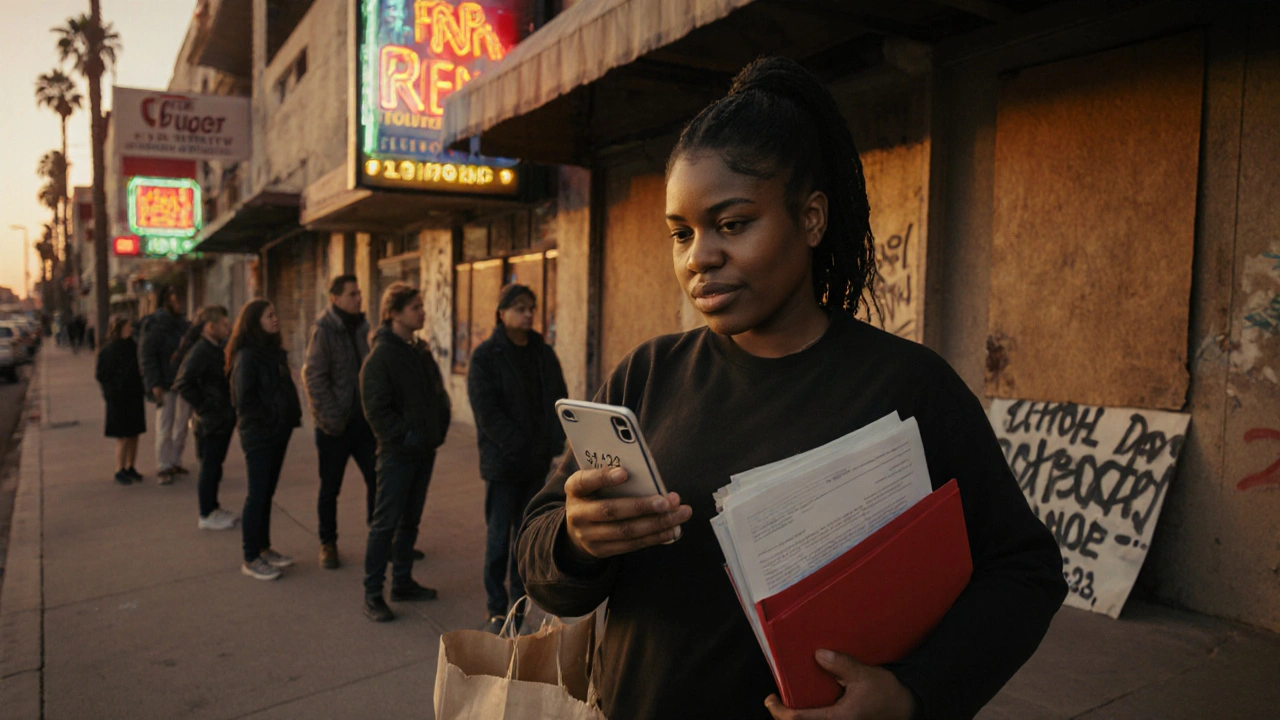
When we talk about movies about inequality, films that expose unfair systems in society, from income gaps to racial bias, through story and character, we’re not talking about drama for drama’s sake. These are the films that make you pause mid-scene because they mirror something you’ve seen, felt, or lived. They don’t need explosions or villains in capes—just truth. Whether it’s a single mother working three jobs to keep her kids fed, a factory worker watching his union dissolve, or a teenager getting stopped by police for walking while Black—these stories cut deep because they’re real. And they’re not rare. In fact, they’re growing louder as more voices finally get the mic.
social injustice films, narratives that spotlight systemic oppression and demand accountability through cinematic storytelling often come from places with little budget but huge heart. You won’t always find them on the big screen—they might start at a tiny festival in Kansas City or stream quietly on a niche platform. But they spread. One film, like The Florida Project or Parasite, can spark national conversations about housing or class. And it’s not just about poverty. It’s about who gets heard, who gets seen, and who gets left behind when the cameras stop rolling. These films connect to economic disparity cinema, a genre focused on the widening gap between the wealthy and the working class, often shown through workplace, housing, or education struggles because money isn’t just numbers—it’s access, safety, dignity. And when a movie shows a kid eating lunch from a trash can while a neighbor’s child gets a new iPhone, you don’t need dialogue to understand the message.
What makes these films powerful isn’t just what they show—it’s who made them. Many come from directors who’ve lived the struggle, not just observed it. They use real locations, non-professional actors, and raw sound. That’s why they feel different. You can’t fake that kind of authenticity. And that’s why you’ll find them in collections like this one: not because they’re polished, but because they’re honest. You’ll see how systemic bias in film, the way cinema reflects and reinforces societal power structures, often through casting, framing, and narrative choices plays out not just on screen but behind the scenes—how stories get greenlit, who gets to tell them, and whose pain gets turned into awards season bait.
Below, you’ll find articles that dig into how these films get made, who watches them, and why they matter more now than ever. Some are about how indie filmmakers fight to get these stories seen. Others show how streaming platforms are starting to prioritize them—not because it’s trendy, but because audiences are demanding truth. There’s no sugarcoating here. Just real talk about the movies that refuse to look away.