Movie Theme Development: How Stories Grow from Ideas to Emotional Impact
When we talk about movie theme development, the process of weaving a central idea into every layer of a film so it feels inevitable, not forced. Also known as thematic storytelling, it’s what makes a film feel like more than just scenes—it becomes a reflection of something deeper, whether it’s loss, identity, or freedom. This isn’t about slapping a moral on the end. It’s about letting the story itself whisper the message through choices, visuals, silence, and character arcs.
Good cinematic narrative, the structure and flow of a film’s story told through visual and emotional cues doesn’t announce its theme—it builds it. Think of The Power of the Dog—its theme of toxic masculinity isn’t stated in dialogue. It’s in the way the camera lingers on clenched hands, the silence between words, the slow unraveling of a man who can’t express love. That’s theme development in action. It’s tied directly to character arc, how a protagonist changes—or fails to change—over the course of a film. A character’s journey isn’t just plot. It’s the vehicle for the theme. When a protagonist starts scared and ends brave, the theme isn’t "be brave." It’s "courage isn’t the absence of fear—it’s acting despite it." The audience feels it because they lived it with the character.
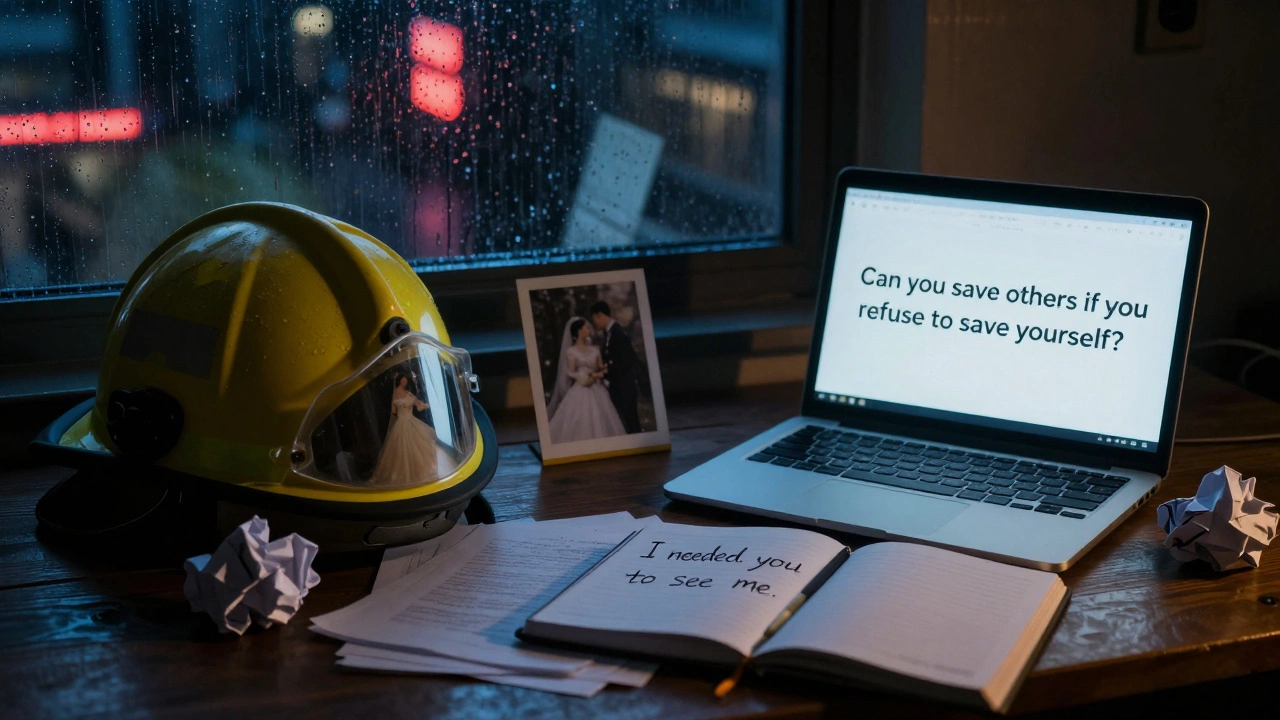
And it’s not just about the lead. Supporting characters, settings, even color palettes can carry theme. A recurring visual motif—a broken clock, a locked door, a fading photograph—can echo the central idea without a single line of dialogue. That’s why film readers in screenplay coverage look for thematic consistency. They don’t just check if the plot makes sense. They ask: Does every scene serve the core idea? Does the music, the lighting, the way someone walks through a room reinforce what this story is really about?
Movie theme development isn’t reserved for Oscar-bait dramas. It’s in the quiet tension of a heist film where trust is the real currency. It’s in the absurd humor of a cult classic where loneliness hides behind jokes. It’s what separates a film you watch from one you carry with you. If you’ve ever left a movie feeling changed, even a little, that’s theme development working.
Below, you’ll find real breakdowns of how this happens—from how composers use music to underline emotion, to how writers and directors craft moments that stick because they’re not just seen, but felt. These aren’t theory lessons. They’re case studies from films that got it right.