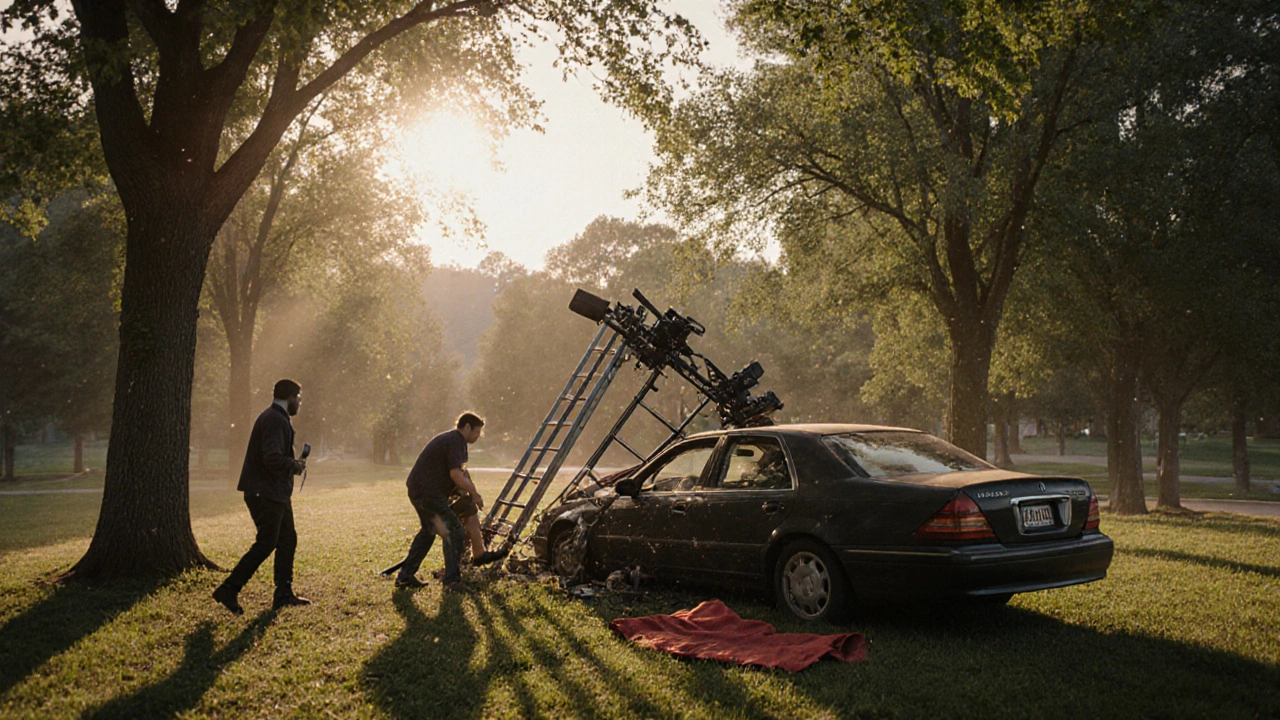
Movie Set Accidents: Real Dangers Behind the Scenes and How They Happen
When you watch a movie, you see the magic—not the movie set accidents, unexpected and often preventable injuries that occur during film production. Also known as on-set injuries, these incidents range from minor burns and falls to life-altering trauma—and they’re not rare. Behind every thrilling stunt, dramatic explosion, or heavy prop lift, there’s a crew working under pressure, tight deadlines, and sometimes, outdated safety rules. It’s not just about big-budget blockbusters either. Even low-budget indie films cut corners when time and money run out, and that’s when things go wrong.
One of the biggest risks comes from stunt safety, the protocols—or lack thereof—that govern dangerous physical performances. A jump from a second-story window might look cinematic, but if the padding is thin or the timing is off, it’s not a stunt—it’s a disaster. We’ve seen it happen: actors breaking bones, crew members hit by falling rigging, and pyrotechnics going off early. And while unions like SAG-AFTRA and IATSE have safety standards, not every production follows them. Some crews are pressured to skip rehearsals, skip safety checks, or use untrained doubles just to keep the schedule on track. Then there’s film production safety, the broader system of equipment handling, lighting setups, and set design that keeps everyone alive. A poorly secured crane, a frayed cable, a wet floor after a rain scene—these aren’t plot points. They’re daily hazards. Even something as simple as a heavy door or a prop gun can become deadly if no one double-checks it.
What makes movie set accidents so dangerous isn’t just the scale—it’s the silence around them. Most never make headlines. No one talks about the assistant director who got hit by a moving dolly because the crew was rushing to finish a shot. Or the grip who lost fingers because the rigging didn’t have a backup lock. These aren’t isolated cases. They’re part of a culture where speed is valued over safety, and where the next take matters more than the next breath.
The posts below don’t just report on these incidents—they show you why they happen. You’ll find real stories from crews who survived, directors who changed their ways, and indie filmmakers who had to rebuild after a single mistake. You’ll learn how actor contracts, budget cuts, and tight schedules turn small risks into big tragedies. And you’ll see how even the most experienced professionals can be caught off guard when the system fails.