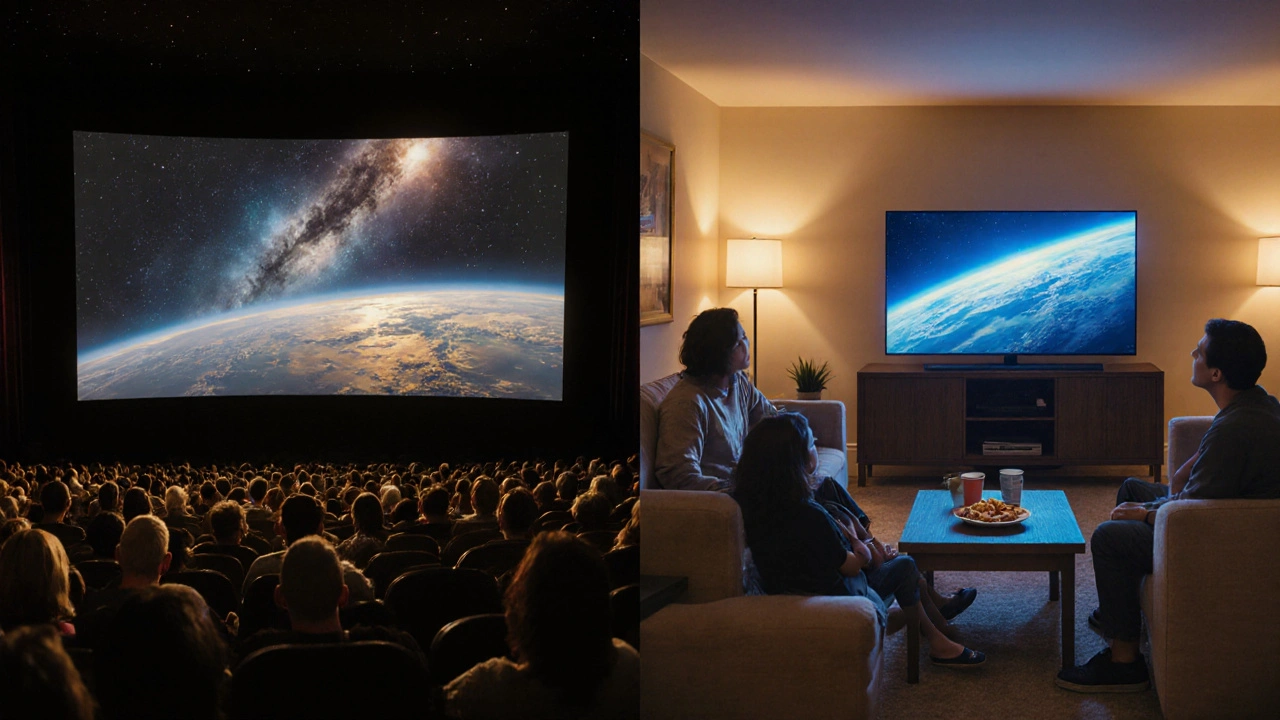
Movie Industry Change: How Streaming, Tech, and New Models Are Reshaping Cinema
When we talk about movie industry change, the ongoing transformation in how films are made, funded, distributed, and watched. Also known as cinema evolution, it's not just about new gadgets—it's about power shifting from studios to streamers, from theaters to living rooms, and from big budgets to smart, lean production. The old rules don’t apply anymore. A film doesn’t need a $100 million marketing campaign to find its audience. It just needs to be seen by the right people, at the right time, on the right platform.
One major driver of this change is streaming platforms, services like Netflix, Apple TV+, and Amazon Prime that now commission and distribute more films than traditional studios. Also known as SVOD services, they’ve rewritten the playbook on release windows, box office pressure, and even what counts as a "successful" movie. A film can now thrive with 5 million global views instead of 10 million ticket sales. And that’s changed how filmmakers think about their work—from chasing theatrical runs to designing for bingeability. At the same time, virtual production, using LED walls and real-time rendering to create digital sets during filming. Also known as StageCraft, it’s cutting costs, speeding up shoots, and letting directors see final visuals on set—something that was impossible just five years ago. This isn’t sci-fi anymore. It’s standard on high-end streaming shows and even some indie films.
Then there’s film distribution, the process of getting a movie from the editor’s room to the viewer’s screen. Also known as movie release strategy, it’s no longer about locking in theater chains. It’s about mastering TikTok campaigns, pitching directly to streamers, using regional mini-festivals to build word-of-mouth, and leveraging cross-promotion with platforms before a film even drops. Independent producers now need to be marketers, negotiators, and data analysts—not just storytellers. And funding? independent film funding, how indie filmmakers raise money without studio backing. Also known as slate financing, it’s moving away from single-film bets. Smart producers now bundle 3–5 projects together to attract investors who want portfolio returns, not just one hit. This shift means more films get made, even if they’re small, niche, or unconventional.
These forces—streaming, virtual tools, new distribution paths, and smarter funding—are all parts of the same movie industry change. It’s not a slow drift. It’s a full reset. Theaters still matter, but they’re no longer the only stage. The camera still tells the story, but now it’s often shot on a set made of light and code. And the audience? They’re not waiting for the next blockbuster. They’re scrolling, searching, and clicking for something that feels real, even if it costs less than a coffee.
Below, you’ll find real guides from filmmakers and producers who’ve navigated this new landscape. Whether you’re trying to pitch your indie film to a streamer, figure out how to value a film library, or understand why a Hello Kitty movie outperformed a $200 million original, the answers aren’t in Hollywood boardrooms anymore. They’re in these posts.