Worst Sequels in Cinema History and Why They Failed
Some movie sequels destroy legacies instead of honoring them. Discover why films like Spider-Man 3, Alien 3, and Star Wars: Episode II failed so badly-and what makes a great sequel instead.
When a movie franchise fails, it’s rarely because the idea was bad—it’s because the movie franchise failures, systematic breakdowns in storytelling, audience trust, or studio execution that turn once-promising series into financial and critical disasters happened too fast. Think of it like a car with a great engine but no brakes. Studios keep pressing the gas—sequel after sequel, reboot after reboot—while ignoring the audience’s growing frustration. These aren’t just bad movies. They’re broken systems.
What makes a franchise fail isn’t always the director or the cast. It’s often the studio decision making, the corporate pressure to churn out content regardless of creative health, prioritizing short-term profits over long-term brand value. Take a franchise like Transformers or Ghost Rider. They didn’t fail because they lacked budget—they failed because they lost their soul. Audiences don’t mind expensive effects. They mind being treated like idiots. Meanwhile, successful franchises like John Wick or Mad Max: Fury Road succeeded because they respected the original tone, gave filmmakers real creative control, and didn’t rush into sequels before the story was ready.
The real problem? Studios treat franchises like vending machines. Put in money, get out profit. But audiences aren’t coins. They remember when you oversaturate them. They notice when a sequel ignores the first movie’s emotional core. They walk away when the marketing feels like a spam blast instead of a promise. box office bombs, movies that lose millions despite massive hype, often result from misreading audience sentiment and overestimating brand loyalty. It’s not about how much you spend—it’s about how well you listen.
And then there’s the franchise mismanagement, the pattern of forcing unrelated characters into the same universe, recycling plots, or killing off fan-favorite characters for shock value without purpose. You can’t just slap a Marvel logo on anything and call it a universe. Fans spot the laziness. They know when a studio is just trying to milk a brand instead of building something meaningful. That’s why some franchises die quietly—no one’s talking about them anymore. And others? They get rebooted into oblivion.
This collection doesn’t just list the worst sequels. It shows you why they failed—what went wrong behind the scenes, how studio politics killed creativity, and how a few smart moves could’ve saved them. You’ll see how some films collapsed under their own weight, while others survived because someone actually cared about the story. You’ll find real cases where filmmakers fought for integrity and won. And you’ll understand why the next big franchise might not be the one you expect.
If you’ve ever watched a sequel and thought, ‘This doesn’t even feel like the same movie,’ you’re not alone. The answers aren’t in the trailers. They’re in the choices studios made—and didn’t make. Below, you’ll find deep dives into the real reasons behind the biggest franchise disasters, the hidden patterns, and the quiet wins that prove franchises don’t have to fail. They just need to be handled like art, not inventory.
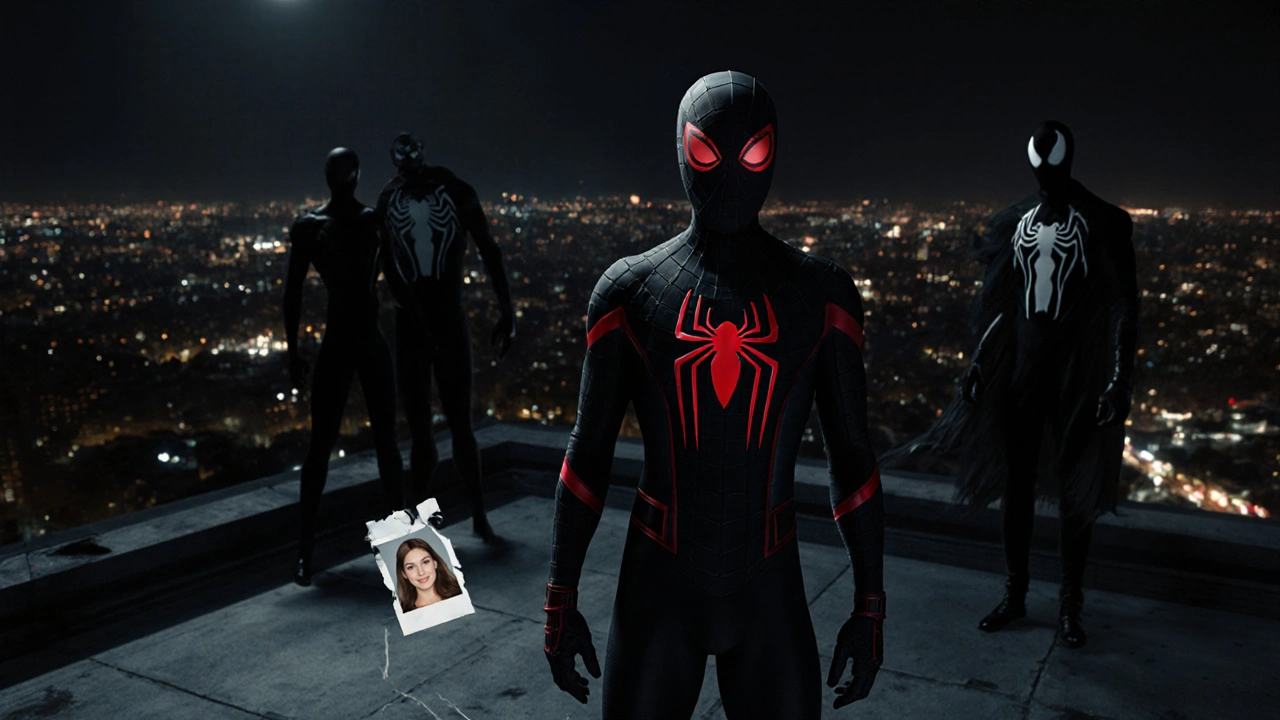
Some movie sequels destroy legacies instead of honoring them. Discover why films like Spider-Man 3, Alien 3, and Star Wars: Episode II failed so badly-and what makes a great sequel instead.