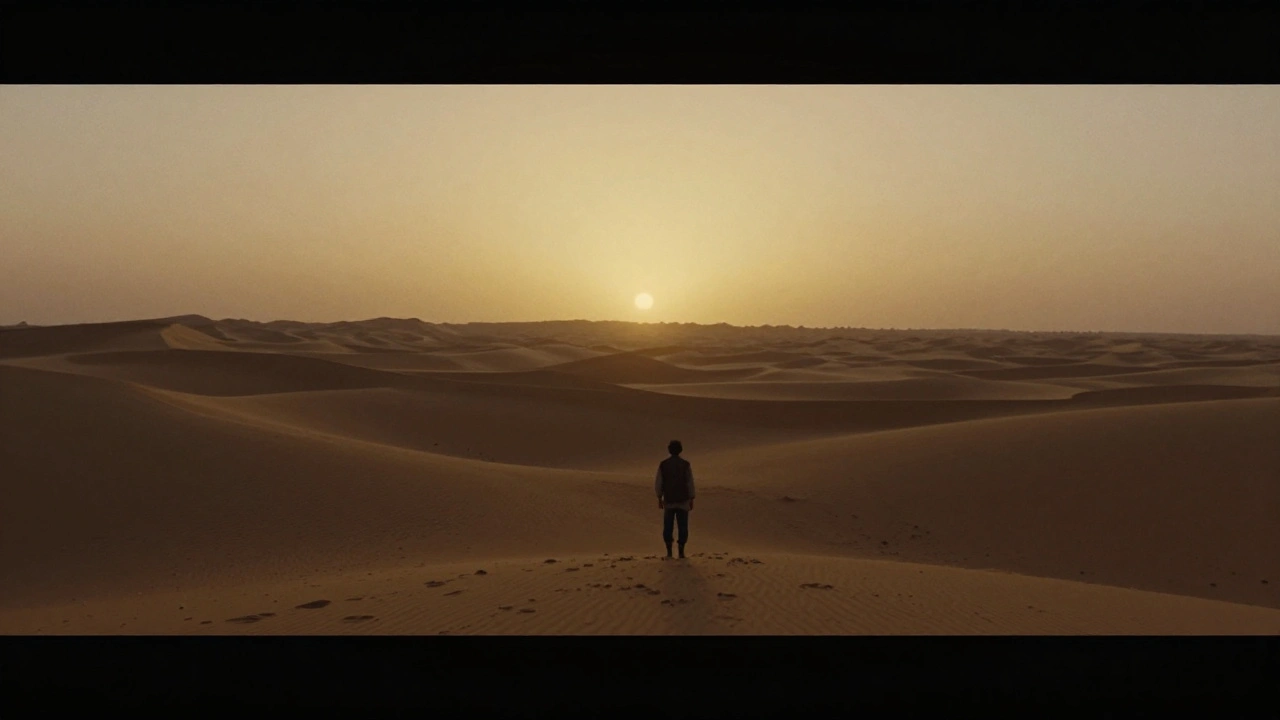
Movie Frame Ratios: What They Are and Why They Matter in Film
When you watch a movie, the shape of the image on your screen isn’t random—it’s a deliberate choice called the movie frame ratio, the proportional relationship between the width and height of a film’s image. Also known as aspect ratio, it determines how much of the world the camera shows you and how you feel while watching it. A narrow frame can trap you in a character’s anxiety. A wide one can make you feel small against a vast landscape. It’s not just about fitting screens—it’s about controlling emotion.
Movie frame ratios connect directly to how films are shot, edited, and even funded. Directors choose ratios based on story, not just technology. For example, cinematic framing, the way a scene is composed within the frame to guide the viewer’s eye relies heavily on the ratio to create tension or calm. A 1.85:1 ratio feels more personal, like a conversation. A 2.39:1 widescreen format turns a room into a stage and a hallway into a journey. Even film composition, the arrangement of visual elements within the frame to support narrative changes when you switch from square to panoramic. These choices aren’t just artistic—they affect how cameras are set up, how lighting is placed, and even how actors move on set.
Modern filmmakers use ratios like tools. Some shoot in 4:3 to make a scene feel claustrophobic. Others jump between ratios within the same film to signal time shifts or mental states. The rise of streaming has blurred old rules, but the core idea stays: the frame is a window into the story’s soul. The posts below dig into how directors, cinematographers, and production designers use these ratios to shape emotion, control pacing, and make visuals unforgettable. You’ll see how real films—from intimate dramas to action epics—use frame ratios to do more than display images. They use them to make you feel something.