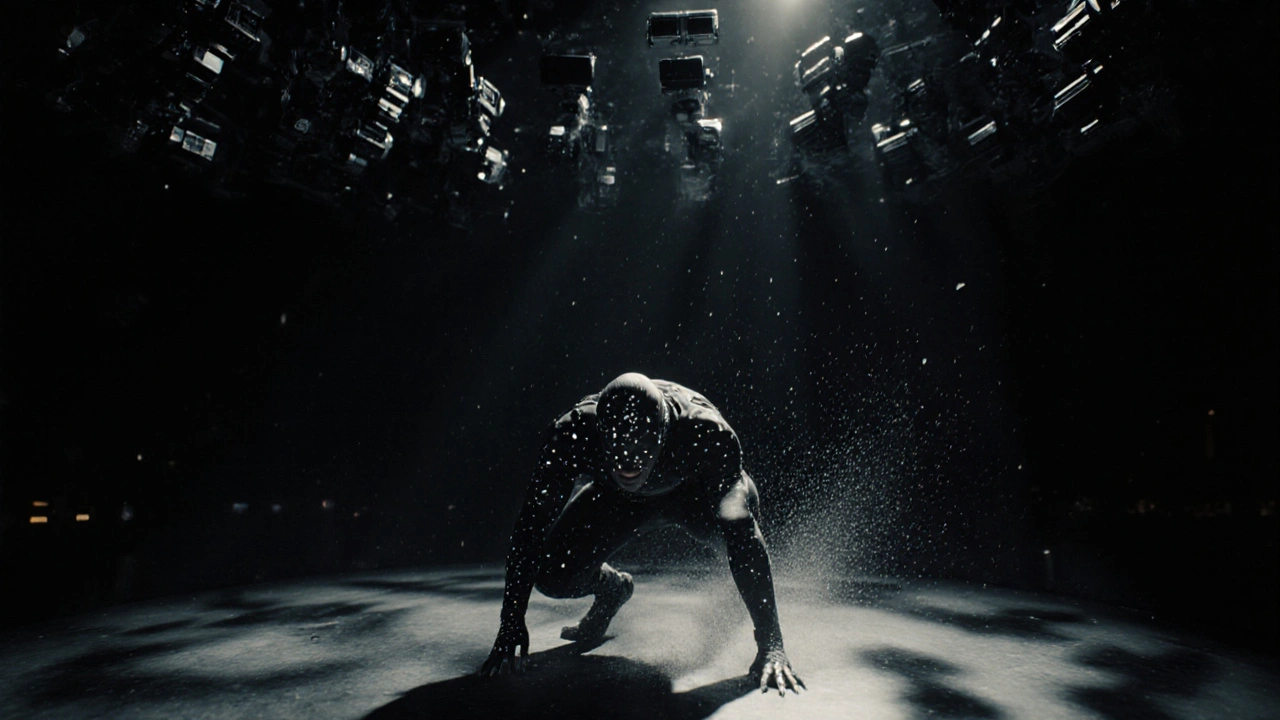
Motion Capture Technology: How Digital Characters Come to Life in Movies
When you see a CGI gorilla speak with human emotion or an alien warrior move with real weight, you’re not watching animation—you’re watching motion capture technology, a system that records an actor’s physical performance and translates it into digital movement. Also known as performance capture, it’s not just about tracking movements—it’s about capturing the soul of a performance, down to the smallest facial twitch. This isn’t magic. It’s sensors on a suit, cameras in a studio, and software that turns sweat, breath, and eye rolls into a digital being that feels more real than any puppet or model ever could.
What makes motion capture different from traditional animation is the actor. You don’t get a digital character unless someone physically becomes it. Andy Serkis didn’t just voice Gollum—he crawled on set, twisted his body, and cried in front of cameras so the software could copy his humanity. That same process brought Caesar to life in Planet of the Apes, and Neytiri in Avatar. It’s not a tool for making monsters—it’s a tool for making characters. And it’s not just for big studios. Indie filmmakers are now using affordable mocap rigs to create emotional digital leads on micro-budgets. The tech has moved from Hollywood labs to garage studios, and the barrier to entry is falling fast.
Behind every digital character is a team: the actor, the motion capture suit, the camera array, the software that cleans up the data, and the animators who polish the final result. But the core truth hasn’t changed: if the actor doesn’t believe it, the audience won’t either. That’s why the best motion capture performances feel alive—they’re not rendered, they’re replayed. And that’s why this tech isn’t just about visual effects—it’s about storytelling. Whether it’s a digital dragon in a fantasy epic or a grieving robot in a quiet drama, motion capture lets emotion drive the image, not the other way around.
What you’ll find below are real stories from the set: how directors work with actors in motion capture suits, how studios handle the chaos of filming with dozens of sensors on a tight budget, and how some of the most unforgettable characters in modern cinema were born not in a computer, but in a sweaty, cluttered studio with a camera and a performer who refused to give up.