Motion Capture Animation: How Real Actors Bring Digital Characters to Life
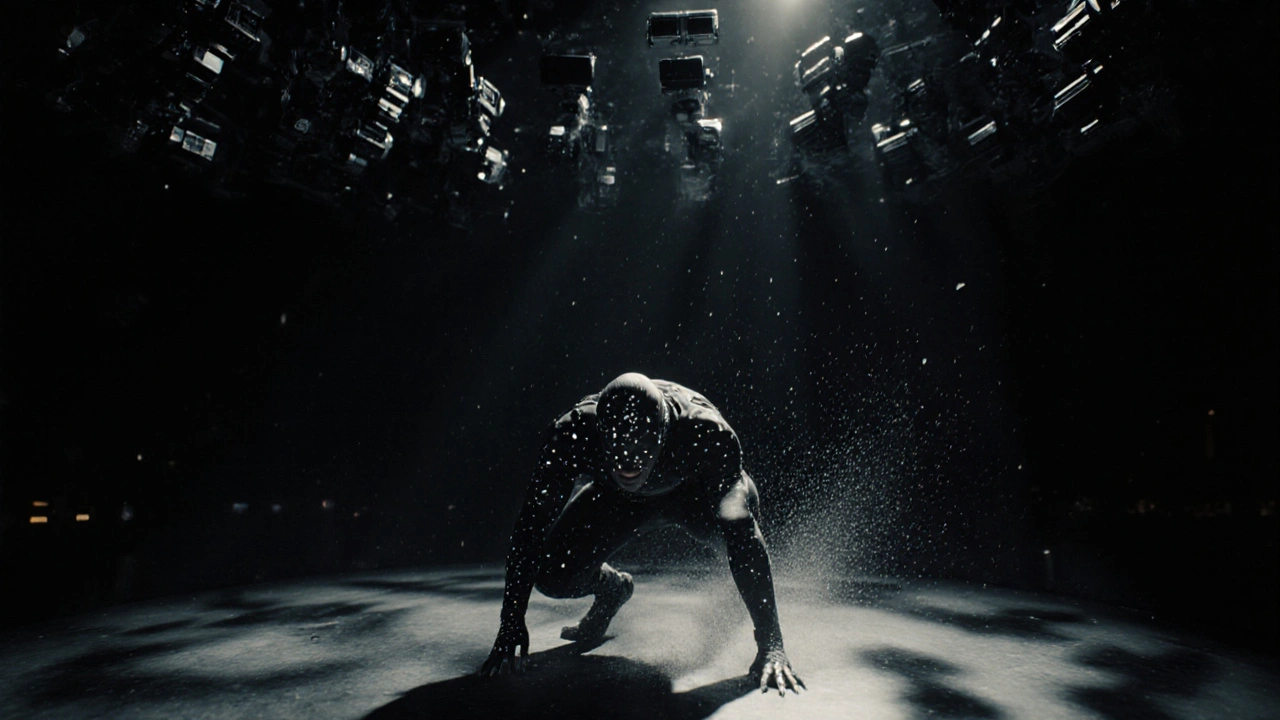
When you see a digital gorilla speak with emotion or an alien warrior move with human nuance, you're not watching animation—you're watching motion capture animation, a technique that records real human movement and translates it into digital characters using sensors and software. Also known as performance capture, it's not just about tracking body motion—it's about capturing facial expressions, eye movement, and even breath. This isn't magic. It’s acting, recorded with precision and rebuilt in code. The actor in a spandex suit with dots on their face isn’t just a placeholder—they’re the soul of the character.
Motion capture animation requires more than tech—it needs skilled performers. Actors like Andy Serkis, who brought Gollum and King Kong to life, treat mocap as serious acting, not just motion tracking. The technology relies on VFX, visual effects pipelines that stitch together motion data, lighting, and environment rendering to create believable digital worlds. But even the best VFX fails without truthful performance. That’s why studios now hire theater-trained actors for mocap roles, not just stunt performers. The digital characters, animated figures created through motion capture that appear lifelike because they inherit human subtleties in films like Avatar or The Lord of the Rings work because they feel real—not because they’re photorealistic, but because they move like people.
It’s not just for big-budget blockbusters. Even indie films and streaming originals are using cheaper, portable mocap systems to create unique creatures and non-human leads. The rise of mocap technology, affordable motion capture tools that allow smaller teams to record performances without Hollywood-level studios means you’re seeing more of it than ever—on Netflix, Amazon, and even YouTube. What used to cost millions now fits in a backpack. But the core hasn’t changed: the best digital characters still need a human heart behind them.
What you’ll find in these posts isn’t just a list of films that used motion capture. It’s the behind-the-scenes truth—how actors prepare for roles where they never appear on screen, how directors guide performances through sensors, and why some digital faces still feel uncanny while others feel alive. You’ll see how motion capture animation isn’t replacing actors—it’s expanding what acting can be.