Motion Capture in Film: How It Works and Why It’s Changing Cinema
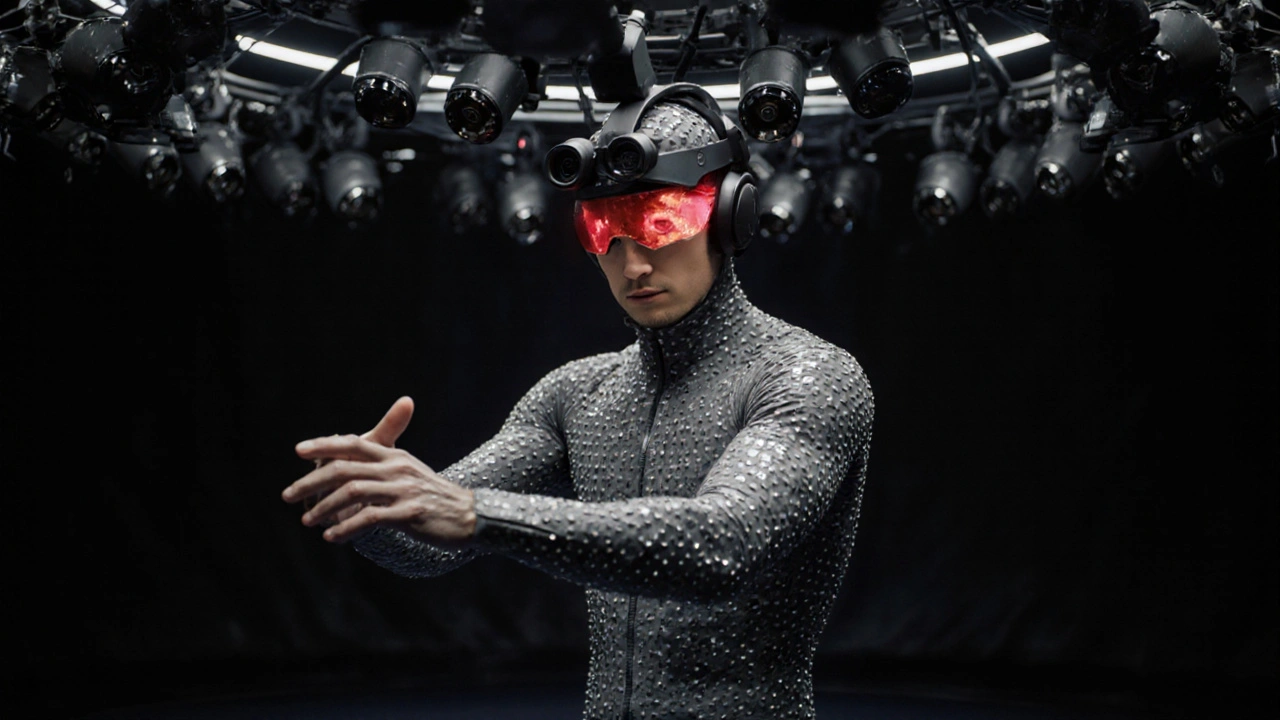
When you see a digital creature move with real emotion—like Gollum in The Lord of the Rings or Caesar in Planet of the Apes—you’re looking at motion capture, a technology that records an actor’s movements and translates them into a digital character. Also known as performance capture, it’s not just about animation—it’s about transferring human feeling into a non-human form. This isn’t magic. It’s a mix of sensors, cameras, and software that track every twitch, blink, and breath. The actor doesn’t just wear a suit with dots—they become the character, even if the final version looks nothing like them.
Motion capture doesn’t exist in a vacuum. It’s tied to virtual production, a filmmaking method that uses real-time digital environments instead of green screens. Also known as LED volume sets, this tech lets directors see the final digital world while filming, so actors react to real lighting and backgrounds. It’s why The Mandalorian looks so real—because the actors were standing inside a digital forest, not imagining one. This shift means motion capture is no longer just for fantasy films. It’s used in war dramas, sci-fi thrillers, and even intimate character studies where emotion matters more than spectacle. Behind the scenes, it requires VFX, visual effects teams that clean up, refine, and blend the captured data into the final shot. A single scene might involve dozens of artists tweaking facial expressions frame by frame to make a digital character feel alive. And it’s not just about big studios. Tools like Blender and open-source motion tracking software are making this accessible to indie filmmakers who want to tell stories beyond what’s possible with real actors or physical sets.
What you see on screen is just the tip. The real work happens in the studio, where actors perform in tight suits under bright lights, often alone, with no audience, no costumes, and no scenery. They’re not playing a monster or an alien—they’re playing a version of themselves, filtered through a digital lens. That’s why the best motion capture performances feel so human: they’re rooted in real emotion, not CGI guesswork. From Andy Serkis to Noah Watts to Zoe Saldaña, these actors aren’t just doing effects work—they’re redefining what acting means in the digital age.
Below, you’ll find real examples of how motion capture, virtual production, and VFX are shaping the films you watch—whether it’s a $200 million blockbuster or a microbudget indie using free tools to create something unforgettable. You’ll see how the tech works, where it’s headed, and why it’s no longer optional for filmmakers who want to push boundaries.