Modern Westerns: The New Frontier of Film Storytelling
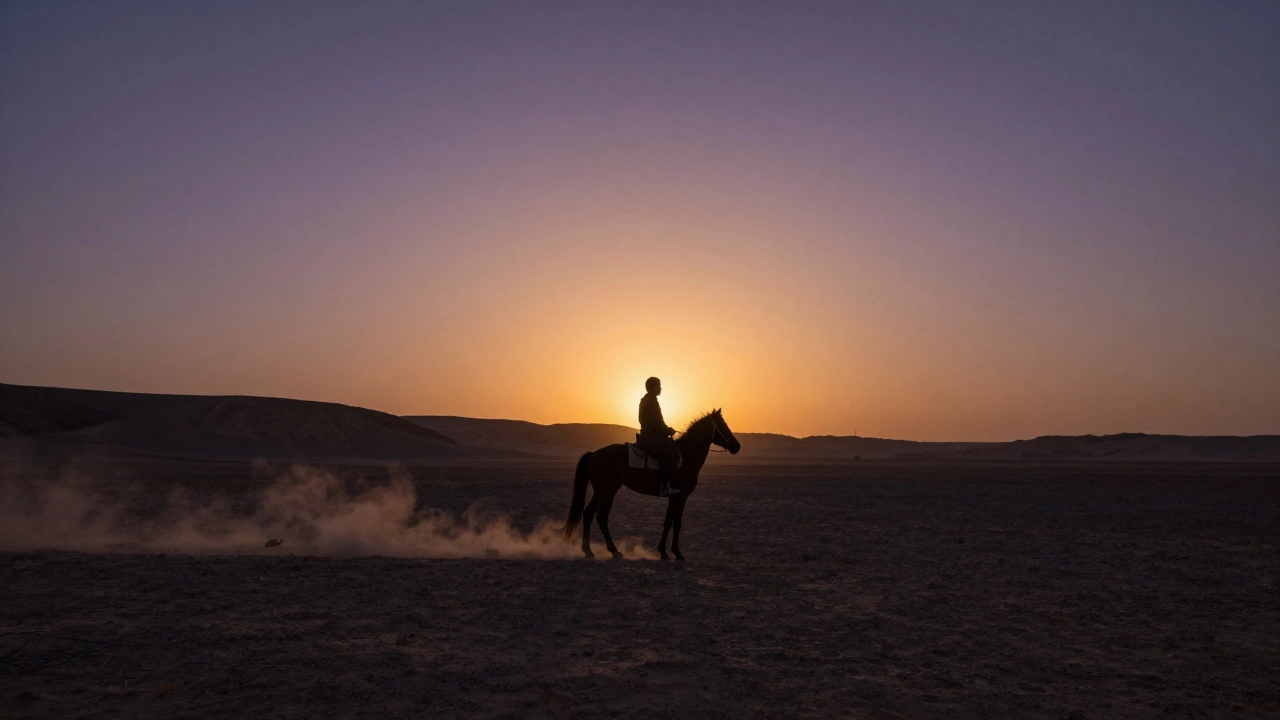
When you think of modern westerns, a reimagined take on the classic American frontier tale that blends traditional themes with contemporary social commentary and visual style. Also known as revisionist westerns, it challenges the myth of the lone hero and asks who really gets to be the hero in a broken world. This isn’t your grandfather’s cowboy movie. No clean-cut sheriffs, no clear good guys, no sweeping orchestral scores that tell you how to feel. Modern westerns are messy, quiet, and often heartbreaking. They’re set in deserts that look more like abandoned parking lots than wide-open plains. They feature characters who don’t ride horses—they drive pickup trucks with cracked windshields. And instead of gunfights at high noon, you get silence, hesitation, and the weight of choices no one asked them to make.
What makes these films stick isn’t the hats or the horses—it’s how they use the western format to talk about today. revisionist westerns, a subgenre that deconstructs the myths of the Old West through darker, more complex narratives dig into trauma, colonialism, and the cost of survival. Think of Hell or High Water—not about outlaws versus lawmen, but about a system that left two brothers with no way out. Or The Revenant, where revenge isn’t noble, it’s a slow, freezing death. Even True Grit flips the script: the hero isn’t the toughest man in the room, but the stubborn girl who won’t back down. These aren’t just movies—they’re mirrors. And they’re part of a larger shift in how stories are told, where film storytelling, the art of constructing narrative through visual, emotional, and structural choices rather than exposition now values subtext over speeches, atmosphere over action, and character over cliché.
You won’t find many of these films in multiplexes. They’re the quiet ones that show up at Sundance, win at Cannes, and live on streaming platforms long after their theatrical runs end. They’re made by directors who grew up loving John Ford but realized the frontier wasn’t a place—it was a lie. And they’re watched by audiences who don’t want escapism. They want truth. What follows is a collection of articles that dig into how these films are made, why they matter, and what they say about the world we live in now. From how lighting shapes isolation to how casting choices rewrite history, you’ll see how the western didn’t die—it just got real.