Best Documentary Filmmakers to Follow in 2025
Discover the top documentary filmmakers shaping truth in 2025-from climate justice to immigration battles. Learn who to follow, where to watch, and why their work matters more than ever.
When we talk about modern documentary cinema, a dynamic form of nonfiction filmmaking that uses real people, events, and environments to explore truth, emotion, and social change. Also known as nonfiction film, it’s no longer just interviews and voiceovers—it’s immersive, cinematic, and often as gripping as any fictional thriller. Today’s documentaries don’t just inform; they pull you into someone else’s life, make you feel the weight of a decision, or shake your view of the world—all without scripts or actors.
This isn’t the old-school doc with grainy footage and a professor narrating over stock images. Modern documentary cinema uses cinematic techniques once reserved for Hollywood: dynamic camera movement, layered sound design, nonlinear editing, and even fictional storytelling structures—all applied to real subjects. Films like The Act of Killing or My Octopus Teacher prove that truth can be more surreal than fiction. And it’s not just about big issues like war or climate change. The best modern docs find power in the quiet: a single parent working two jobs, a retired teacher mentoring kids in a neglected neighborhood, or a community fighting to save their local park.
What drives this shift? Technology plays a role—affordable 4K cameras, drones, and editing software put powerful tools in indie filmmakers’ hands. But the real force is audience hunger. People are tired of polished, sanitized content. They want authenticity. That’s why festivals like Sundance and IDFA now prioritize docs that feel lived-in, not staged. And platforms like Netflix and HBO aren’t just buying these films—they’re investing in them as cultural events. The line between documentary and drama is fading, not because filmmakers are lying, but because they’ve learned that truth doesn’t need embellishment—it needs rhythm, tension, and heart.
Behind every powerful modern documentary is a team that understands the ethics of representation. Who gets to tell the story? How much access is fair? When does observation become exploitation? These aren’t just philosophical questions—they shape the film’s impact. That’s why today’s best documentary filmmakers spend months, sometimes years, building trust with their subjects before they even turn on the camera.
And it’s not just about the film itself—it’s about what happens after. Modern documentary cinema often sparks movements. A film about food waste leads to local policy changes. A story about mental health in rural towns opens up community dialogues. These aren’t passive experiences. They’re calls to action wrapped in visuals and sound.
What you’ll find in this collection are real-world insights from filmmakers who’ve navigated the messy, beautiful, and sometimes brutal process of bringing truth to the screen. From how to pitch a doc to streamers, to strategies for getting into festivals, to the hidden art of editing real-life moments into emotional arcs—you’ll see how modern documentary cinema isn’t just made. It’s fought for, built slowly, and often, changed lives.
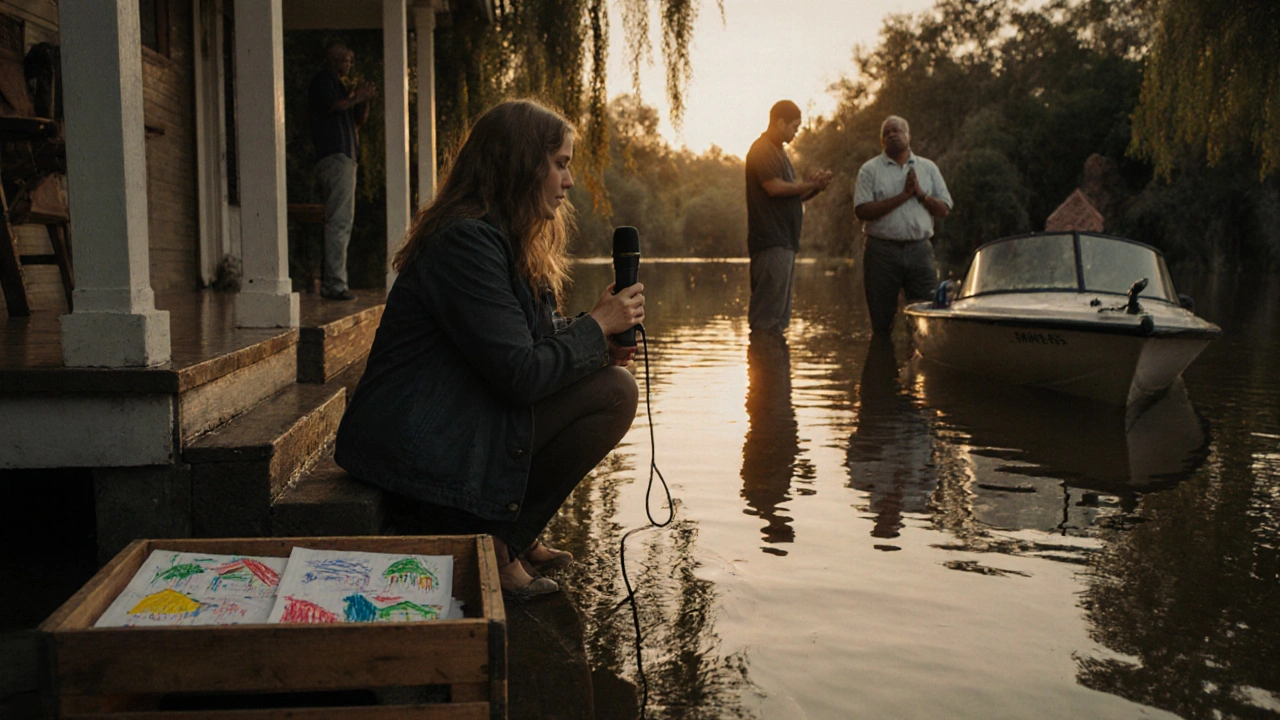
Discover the top documentary filmmakers shaping truth in 2025-from climate justice to immigration battles. Learn who to follow, where to watch, and why their work matters more than ever.