Microbudget Filmmaking: How to Make a Movie with Almost No Money
Learn how to make a powerful film with almost no money using just a smartphone, free software, and real people. Microbudget filmmaking is about creativity, not cash.
When you hear microbudget filmmaking, the process of making films with little to no financial backing, often under $50,000. Also known as ultra-low-budget cinema, it’s not a fallback—it’s a strategy. Many of today’s most talked-about films started this way, from Parasite’s early roots to Tangerine shot on an iPhone. This isn’t about cutting corners. It’s about choosing where to spend every dollar—and where to use creativity instead.
What makes microbudget filmmaking, the process of making films with little to no financial backing, often under $50,000. Also known as ultra-low-budget cinema, it’s not a fallback—it’s a strategy. Many of today’s most talked-about films started this way, from Parasite’s early roots to Tangerine shot on an iPhone. This isn’t about cutting corners. It’s about choosing where to spend every dollar—and where to use creativity instead.
What makes open-source VFX, free software like Blender, Gaffer, and Natron used to create professional-grade visual effects without expensive licenses. Also known as free VFX tools, it’s changed the game for filmmakers who can’t afford After Effects or Maya. These tools let you build explosions, clean up shots, or even animate entire characters without spending a cent. And they’re not just for hobbyists—teams behind award-winning shorts and festival hits use them daily. Then there’s self-distribution, when filmmakers handle their own release, marketing, and sales instead of relying on studios or distributors. Also known as direct-to-audience release, it’s how tiny films like The Babadook and Swiss Army Man found massive audiences by skipping traditional gatekeepers and talking directly to viewers through email lists, social media, and local screenings. These aren’t side notes—they’re core parts of how modern microbudget films survive and thrive.
And it’s not just about tools. It’s about mindset. Microbudget filmmaking demands you think like a producer, a marketer, and a storyteller all at once. You don’t need a big crew—you need a team that’s willing to sleep on floors, borrow gear, and shoot at dawn because that’s when the light’s right. You don’t need a studio deal—you need a list of 500 real people who care about your story enough to watch it. The best microbudget films aren’t the ones with the most money. They’re the ones with the most heart, the most hustle, and the clearest sense of who they’re for.
You’ll find stories here about filmmakers who turned $2,000 into festival buzz, who used free software to match Hollywood quality, and who sold tickets directly from their living rooms. You’ll see how tax credits, festival submissions, and press kits turn small projects into real opportunities. And you’ll learn why the biggest barrier isn’t cash—it’s belief. If you’ve ever thought, ‘I don’t have enough to make a film,’ these posts will show you exactly how others proved that wrong.
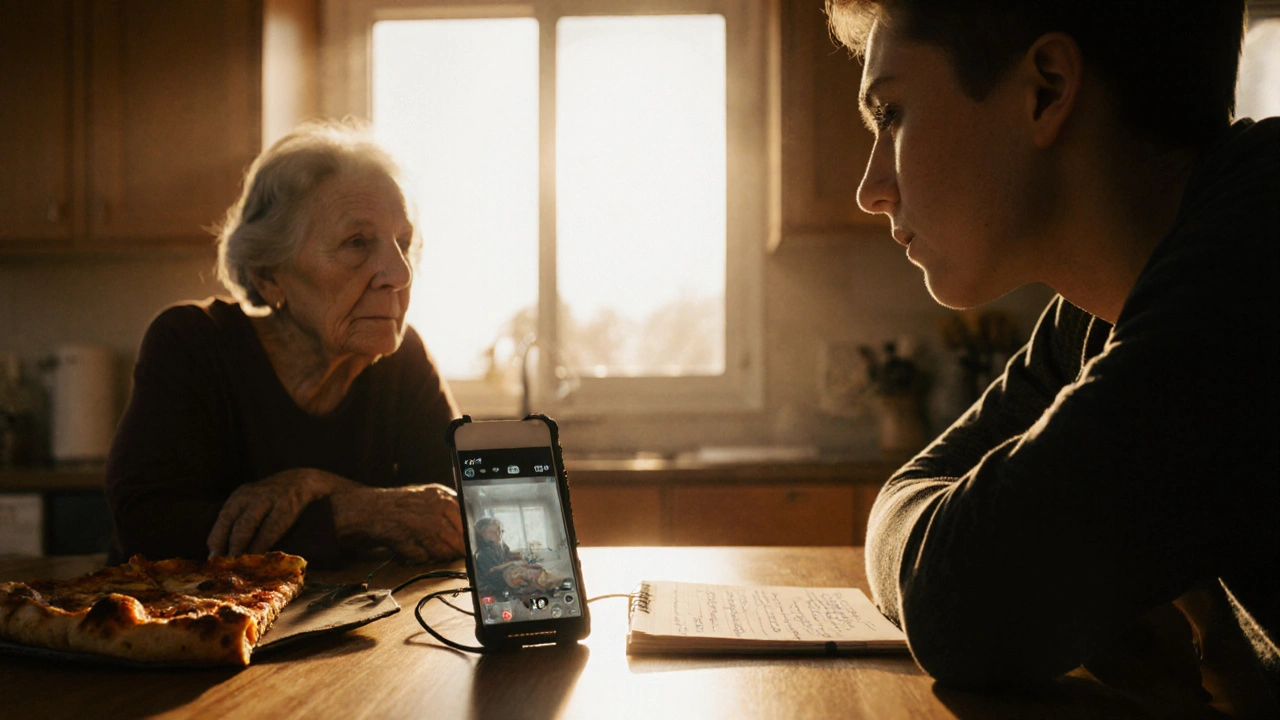
Learn how to make a powerful film with almost no money using just a smartphone, free software, and real people. Microbudget filmmaking is about creativity, not cash.