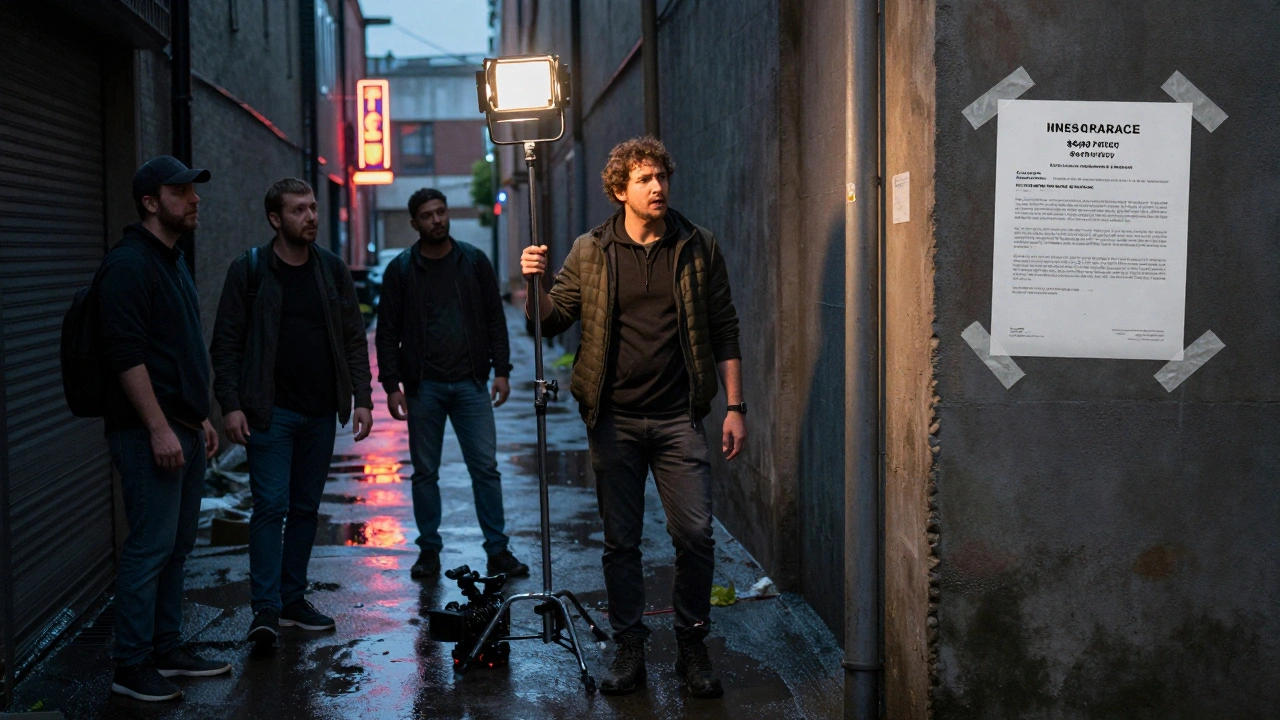
Low Budget Film Coverage: Real Stories, Real Results
When we talk about low budget film coverage, the practice of documenting and analyzing films made with limited financial resources. Also known as independent film reporting, it’s not about counting pennies—it’s about seeing what happens when passion replaces padding. These aren’t the movies with celebrity cameos or CGI explosions. They’re the ones made in garages, shot on borrowed cameras, and edited on laptops after midnight. And they’re changing how we think about storytelling.
independent films, movies produced outside the major studio system. Also known as indie films, they rely on grit, not grants. You’ll find them at festivals like Sundance, streaming on niche platforms, or even screened in community centers. The people behind them aren’t waiting for permission—they’re making do with what they have. That’s where film financing, the ways movies get funded when studios won’t step in. Also known as alternative film funding, it includes crowdfunding, tax credits, and investors who believe in a vision over a spreadsheet. It’s messy. It’s risky. But it’s how indie film production, the hands-on process of making movies with minimal crew and resources. Also known as micro-budget filmmaking, it turns constraints into creative fuel. A director might use natural light because they can’t afford a lighting crew. An actor might work for deferred pay because they believe in the script. These aren’t compromises—they’re choices that shape the film’s soul.
And film distribution, how these small films reach audiences without theater chains or big marketing budgets. Also known as digital film release, it’s no longer about waiting for a distributor to say yes. Streaming platforms, YouTube channels, and direct-to-fan sales are now the main roads. That’s why coverage matters. When a critic writes about a $5,000 film that moves people, or a fan shares it across social media, they’re not just promoting a movie—they’re proving that stories don’t need big budgets to matter.
What you’ll find here isn’t a list of cheap movies. It’s a collection of real stories from the people who make them—how they got started, how they survived, and how they found their audience. From crew pay negotiations on $10,000 shoots to how one short film landed on Netflix, these posts show the hidden engine behind indie cinema. You’ll learn what works, what fails, and how to spot the next breakthrough film before anyone else notices it.