Live to Digital Animation: How Real Performance Becomes Digital Film
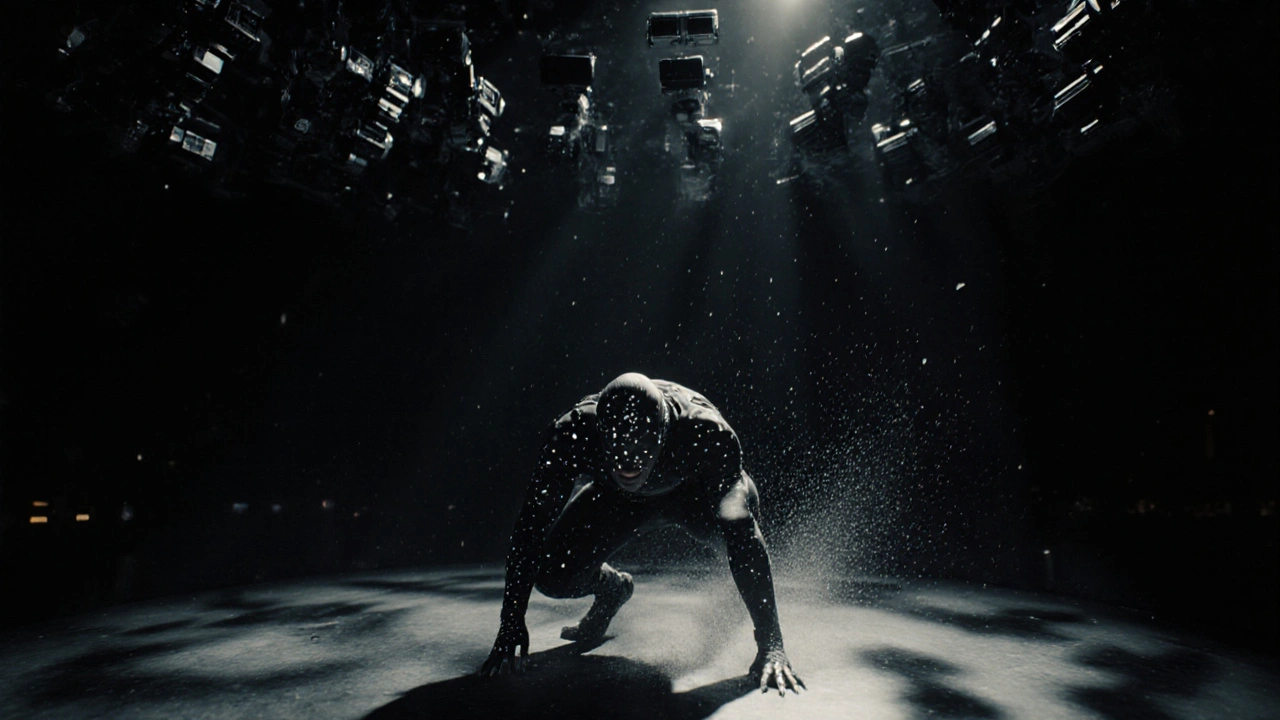
When you see a digital character like Caesar from Planet of the Apes or Neytiri from Avatar move with real emotion, you’re not watching animation—you’re watching live to digital animation, the process of capturing real human performance and turning it into digital characters using motion sensors and software. Also known as performance capture, it’s not just about moving pixels—it’s about preserving the nuance of an actor’s face, breath, and body language. This isn’t sci-fi fantasy. It’s a working method used daily on sets from Hollywood to New Zealand, where actors wear suits covered in sensors and perform scenes just like they would in a live-action film.
The magic happens because motion capture, a technology that records movement through sensors on an actor’s body and face doesn’t replace acting—it elevates it. Actors like Andy Serkis didn’t just play Gollum; they brought their entire performance—tremors, pauses, eye shifts—into the digital realm. That’s why these characters feel real. VFX, visual effects that enhance or create imagery not possible in live action then build the world around them, but the soul? That comes from the person in the suit. Without live performance, digital characters become uncanny, lifeless. The best studios know this: no amount of rendering can fix a flat performance.
What you’ll find in this collection isn’t just theory. These are real stories from filmmakers who’ve wrestled with motion capture rigs on freezing sets, fought to keep actor schedules aligned with VFX pipelines, and figured out how to make digital eyes cry on cue. From how live to digital animation shapes franchise timelines to how indie crews use it on shoestring budgets, these posts show the behind-the-scenes grit behind the glitter. You’ll see how actor contracts affect digital character development, how studios use performance capture to cut costs, and why some films succeed while others fall flat—even with the same tech. This isn’t about software. It’s about people, timing, and the stubborn belief that even a digital ape needs to feel human.