Prelighting Strategies: Efficient Film Lighting Setups for Smoother Shoots
Prelighting strategies help cinematographers set up efficient, intentional lighting before the shoot begins-saving time, reducing stress, and improving visual quality on set.
When you think about what makes a scene feel real, intense, or haunting, it’s rarely the script alone—it’s the lighting setup, the deliberate arrangement of light sources to guide emotion and focus in a film scene. Also known as film lighting, it’s the invisible hand that pulls your eyes where the director wants them, hides flaws, builds tension, and turns a room into a memory. A single lamp, placed just right, can make a character look guilty, hopeful, or ghostly—all without a line of dialogue.
A good lighting setup, the deliberate arrangement of light sources to guide emotion and focus in a film scene. Also known as film lighting, it’s the invisible hand that pulls your eyes where the director wants them, hides flaws, builds tension, and turns a room into a memory. isn’t just about brightness. It’s about shape, color, direction, and contrast. The classic three-point lighting, a standard method using key, fill, and back lights to sculpt a subject and separate them from the background still works because it’s simple: one strong light defines the face, another softens shadows, and a third lifts the subject out of the dark. But modern films mix this with practical lighting, real light sources visible in the scene, like lamps, neon signs, or candlelight, that also serve as part of the lighting setup. Think of the flickering bulbs in The Power of the Dog or the glowing windows in Blade Runner 2049—those aren’t just set dressing. They’re part of the story.
Lighting doesn’t just reveal—it hides, distorts, and transforms. A low-angle rim light turns a villain into a silhouette. A cool blue wash makes a bedroom feel lonely. A single flashlight in a dark forest doesn’t just show the path—it makes you feel every step. The best lighting setups are the ones you don’t notice until they’re gone. That’s why you’ll find posts here about how lighting interacts with texture on sets, how it changes with camera movement, and how even the smallest light source can shift an entire scene’s tone.
You’ll see how lighting choices tie into everything from production design to cinematography, and how indie filmmakers stretch a single LED panel into a dozen different moods. Whether you’re shooting on a phone or a 65mm film camera, understanding lighting setup means you’re not just capturing images—you’re controlling emotion. What follows are real examples from films, interviews with cinematographers, and breakdowns of how light became the silent actor in some of the most unforgettable scenes.
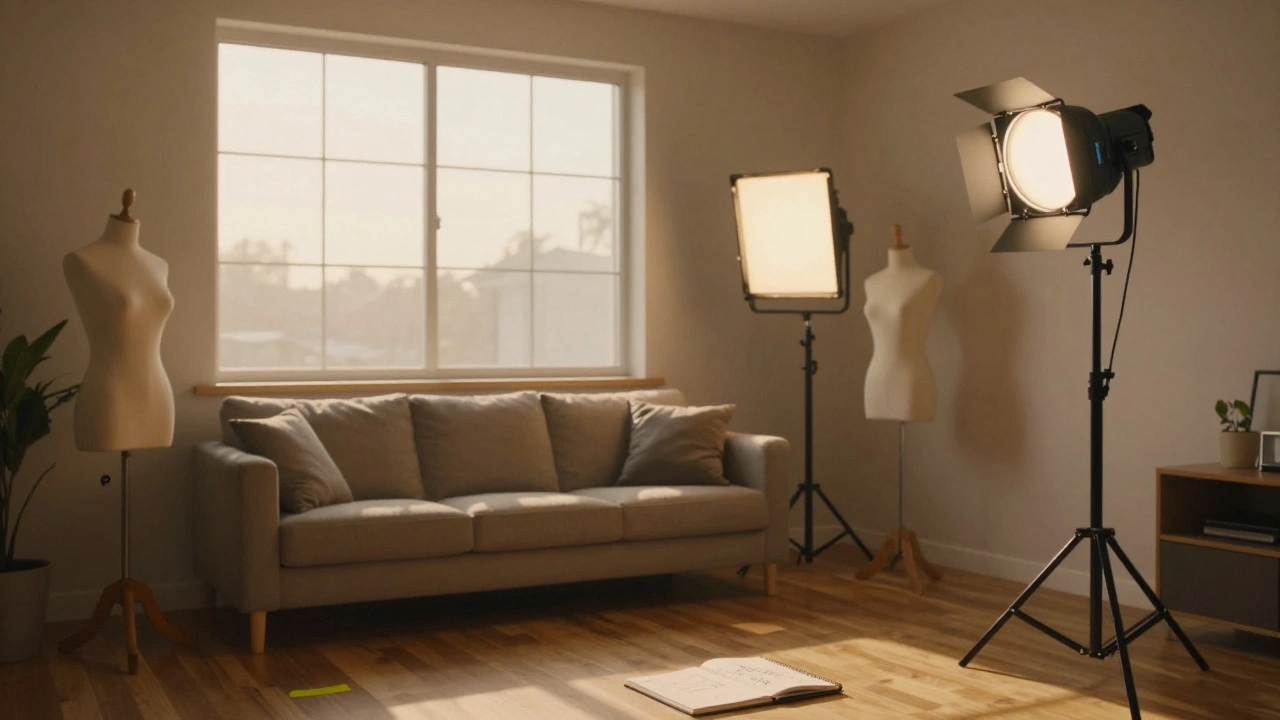
Prelighting strategies help cinematographers set up efficient, intentional lighting before the shoot begins-saving time, reducing stress, and improving visual quality on set.