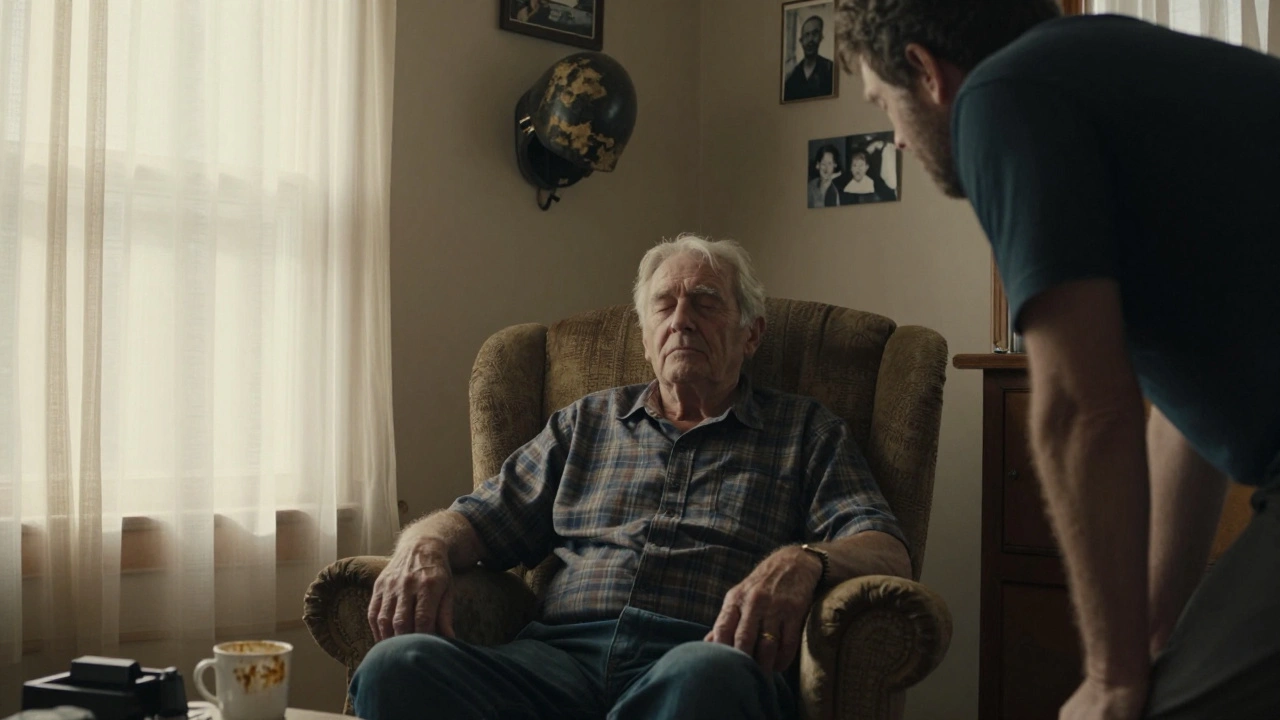
Interview Storytelling: How Real Conversations Shape Powerful Film Narratives
When we talk about interview storytelling, the art of using real spoken words to build emotional, authentic film narratives. Also known as documentary storytelling, it’s not just about asking questions—it’s about capturing moments that reveal who people really are, and turning those moments into stories that stick. This isn’t limited to documentaries. Even in scripted films, directors and writers use interview techniques to shape character voices, ground dialogue in truth, and make fictional worlds feel lived-in. The best film characters don’t sound like they’re reciting lines—they sound like they’re thinking out loud, reacting in real time, just like someone being interviewed.
What makes interview storytelling work is its rawness. Think of the way a subject pauses before answering, the way their voice cracks when they remember something painful, or how they laugh at their own mistake. Those aren’t errors—they’re the heartbeat of the story. In films like The Act of Killing or Boyhood, the power doesn’t come from elaborate sets or special effects. It comes from listening closely to how people speak, how they avoid answers, how they reveal more than they intend. That’s why filmmakers now use interview-style rehearsals with actors to find natural rhythms in dialogue. It’s also why screenwriters study real interviews to understand how people actually tell stories: with tangents, contradictions, silence, and sudden clarity.
character voice, the unique way a person speaks that reveals their identity, history, and inner world. Also known as dialect and speech pattern, it’s the secret sauce behind memorable performances. A good interview doesn’t just record words—it uncovers rhythm, hesitation, slang, and emotional triggers. Those details become the blueprint for how a character moves through a scene. And when you combine that with cinematic interviews, the deliberate framing and editing of real or simulated conversations to serve narrative tension. Also known as talking-head storytelling, it’s a technique used in everything from true-crime docs to biopics. The camera doesn’t just point at someone talking—it watches how they react to silence, how their eyes shift when they lie, how their hands move when they’re nervous. That’s not just filming. That’s storytelling with intent.
What you’ll find in this collection isn’t theory. It’s real craft. You’ll see how filmmakers turn raw interviews into emotional arcs, how editors decide what to cut and what to keep, and how even scripted films borrow from documentary methods to feel more alive. Whether you’re writing a screenplay, directing your first short, or just trying to understand why a character feels real, these posts break down the tools, tricks, and tough choices behind every great spoken moment on screen. No fluff. No jargon. Just how stories get told when people stop performing and start speaking.