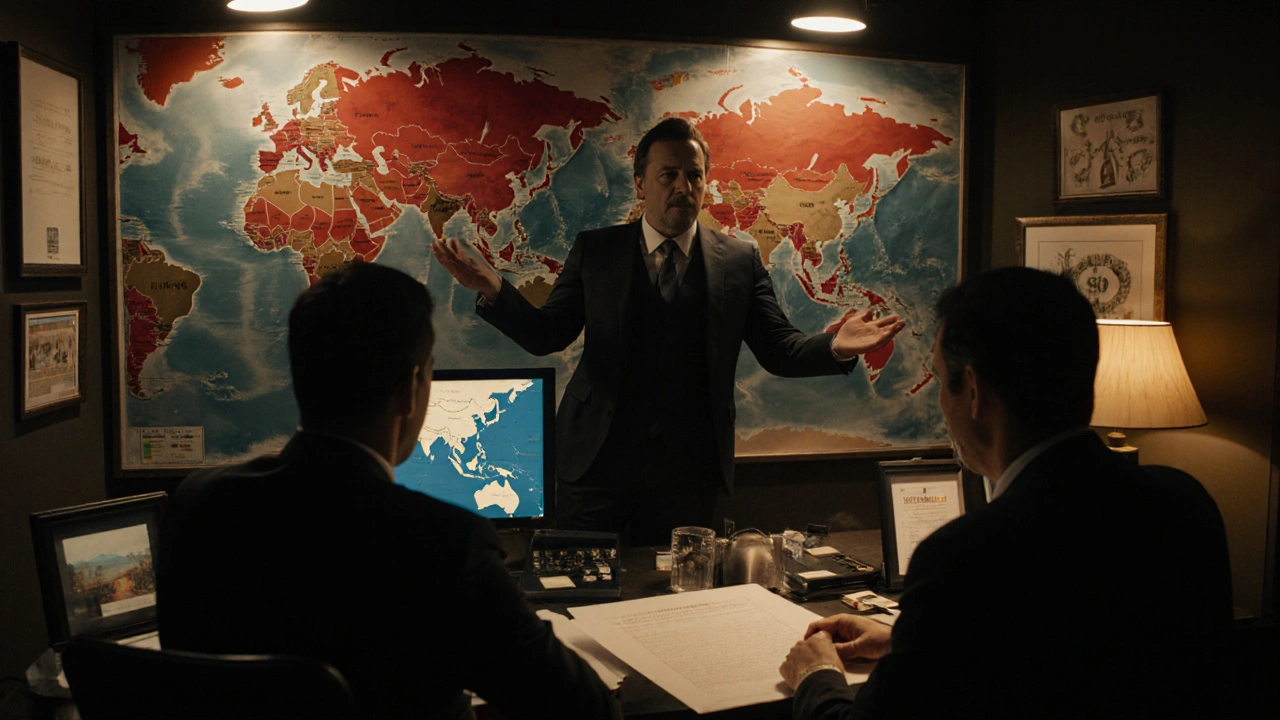
International Film Rights: How Global Distribution Works and Who Controls It
When a movie leaves its home country, it doesn’t just travel—it gets licensed. International film rights, the legal permissions that let a film be shown, sold, or streamed in foreign territories. Also known as film licensing, these rights are the backbone of global cinema, deciding whether a small indie film can play in Tokyo or a blockbuster gets banned in Riyadh. Without them, even the most acclaimed movie is stuck in its country of origin.
These rights aren’t one-size-fits-all. They’re split by region, platform, and time. A distributor in France might buy theatrical rights for two years, while a streaming service in Brazil pays for digital rights only. Film distribution, the process of getting a film from producer to audience across borders is a high-stakes game of timing, politics, and money. Countries like China and India have strict quotas and censorship rules that shape what films even get a shot. Meanwhile, markets like Germany and Japan reward quality over hype, making them key targets for arthouse films.
Who holds these rights? Often, it’s not the director or the studio that made the film. It’s the sales agent—those middlemen who pitch movies at festivals like Cannes or Berlinale. They bundle films into packages, sell them to buyers in different territories, and sometimes even negotiate co-productions. Global film market, the network of buyers, sellers, and regulations that move films across borders moves fast. A film that flops in the U.S. might become a hit in South Korea because of cultural timing or local marketing. And with streaming changing everything, rights are now split by platform too: Netflix might own SVOD rights in 50 countries, while a local TV station holds linear broadcast rights in just one.
It’s not just about money. International film rights affect how stories are seen. A documentary about climate change might get cut in Saudi Arabia. A romantic comedy could be banned in parts of Eastern Europe. Even the title changes—sometimes the name, the poster, the entire marketing campaign is rewritten for each region. That’s why self-distributed indie films, like those that beat studio releases at the box office, often do better: they control their own rights and adapt directly to local audiences.
What you’ll find here are real stories from the trenches of global cinema: how Nollywood films cracked streaming platforms, how Chinese-Indian co-productions fight censorship, how geo-targeted ads help microbudget films find their audience overseas, and why trade ads and Oscar campaigns are just as important abroad as they are at home. These aren’t theories—they’re tactics used by distributors, filmmakers, and festivals every day to turn a local movie into a global one.