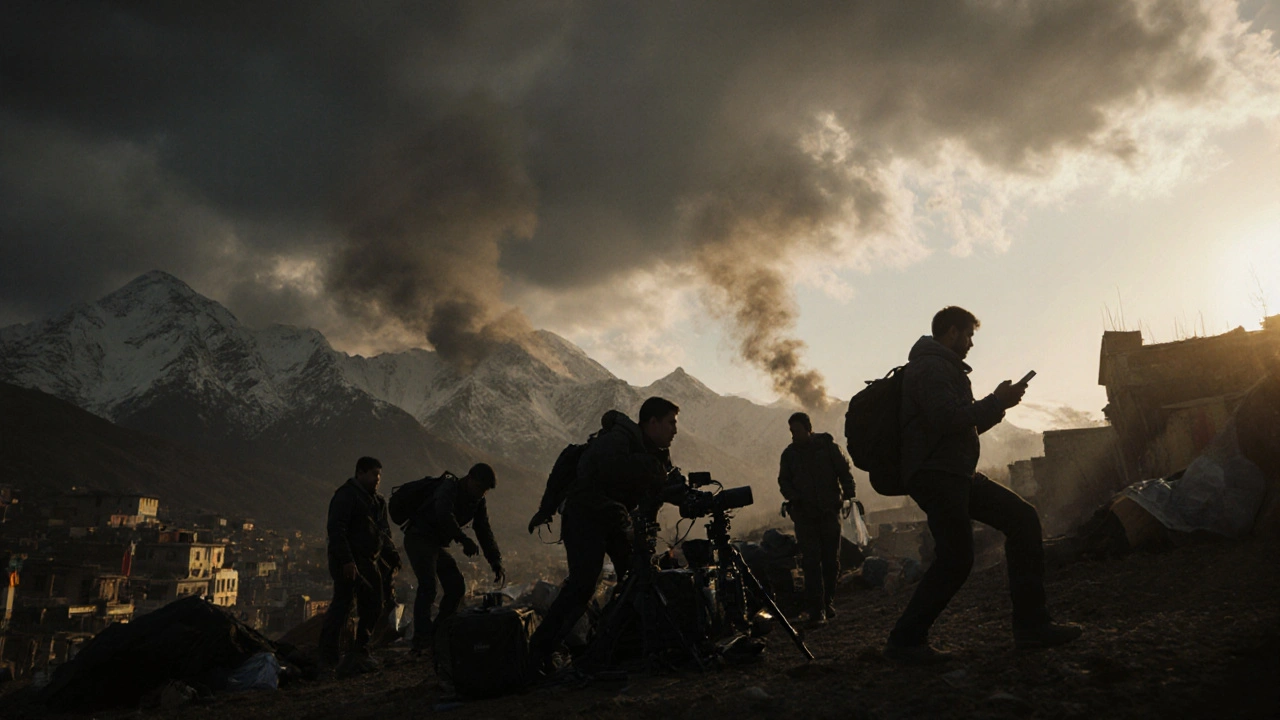
International Film Insurance: What You Need to Know for Global Productions
When you shoot a film in another country, you're not just packing cameras—you're stepping into a web of legal, financial, and logistical risks. International film insurance, a specialized coverage system designed to protect film productions shooting across national borders. Also known as cross-border film insurance, it’s not optional—it’s the backbone of any overseas shoot. Without it, a single accident, weather delay, or customs hold can sink your budget before you even finish principal photography.
It’s not just about liability or equipment. Film production insurance, the broader category that includes international policies. Also known as production coverage, it covers cast injuries, location damage, permit failures, and even political unrest. In places like Georgia or Hungary, where tax credits make filming cheap, local insurers often require proof of international coverage before you even get a shooting permit. And if you’re using a drone in Thailand or filming near a UNESCO site in Italy, your policy needs to include special endorsements—or you’re violating the law.
What most first-time producers miss is how film financing, the process of securing funds to make a movie. Also known as movie funding, it’s tightly linked to insurance. Investors won’t put money into a project unless they know the risks are covered. Banks and distributors ask for certificates of insurance before signing deals. A missing policy clause can kill a distribution deal faster than a bad script.
And it’s not just about big studios. Even microbudget filmmakers shooting in Croatia or Nigeria need coverage. A single stolen camera or a local crew member getting hurt can cost more than your entire budget if you’re uninsured. That’s why so many indie films now use production services companies that bundle insurance into their location packages. They handle the permits, the local labor laws, and the insurance paperwork so you don’t have to.
Location matters more than you think. Shooting in Canada? You need provincial coverage that aligns with federal rules. Filming in South Africa? Your policy must include mandatory workers’ compensation for local hires. In some countries, insurance is tied to the length of your shoot—change your schedule by a week and your policy becomes invalid. That’s why the best producers map out every shoot day before they buy a single policy.
You’ll also find that location shooting, the practice of filming on real-world sites instead of soundstages. Also known as on-location filming, it’s where insurance gets complicated. A forest in Romania isn’t the same as a forest in Canada. Different ecosystems mean different risks—wildlife, terrain, weather patterns—all require specific endorsements. And if you’re shooting near a border, like between Mexico and the U.S., you need customs clearance coverage just to move gear across.
There’s no one-size-fits-all policy. You can’t just buy a global plan from a U.S. provider and assume it works everywhere. Each country has its own legal requirements, currency rules, and claim procedures. The smartest crews work with brokers who specialize in international film insurance—not general agents who handle car or home policies. These brokers know which insurers cover terrorism in Egypt, or how to file a claim in Japanese yen after a flood in Kyoto.
And don’t forget the cast. If your lead actor breaks a leg in Budapest, your policy must cover medical evacuation back home—plus the cost of recasting and reshoots. That’s not covered by standard health insurance. It’s called cast insurance, and it’s a separate line item that many forget until it’s too late.
What follows are real stories and practical guides from filmmakers who’ve been there—people who learned the hard way how international film insurance isn’t paperwork. It’s the difference between finishing your movie and losing everything. You’ll find breakdowns of policies used on low-budget shoots in Eastern Europe, how to negotiate coverage with local insurers in Asia, and why even a 10-day shoot in Brazil needs more than a basic policy. These aren’t theory pieces. They’re field reports from crews who made it through—and those who didn’t.