Insurance for Low-Budget Films: Coverage, Costs, and How to Stay Protected
When you’re making a movie with $20,000 instead of $20 million, insurance for low-budget films, a type of protection that covers accidents, equipment loss, and legal claims during production. Also known as production insurance, it’s not a luxury—it’s the difference between finishing your film and losing everything. You don’t need a Hollywood legal team to get it, but skipping it means risking your savings, your crew’s safety, and your future in filmmaking.
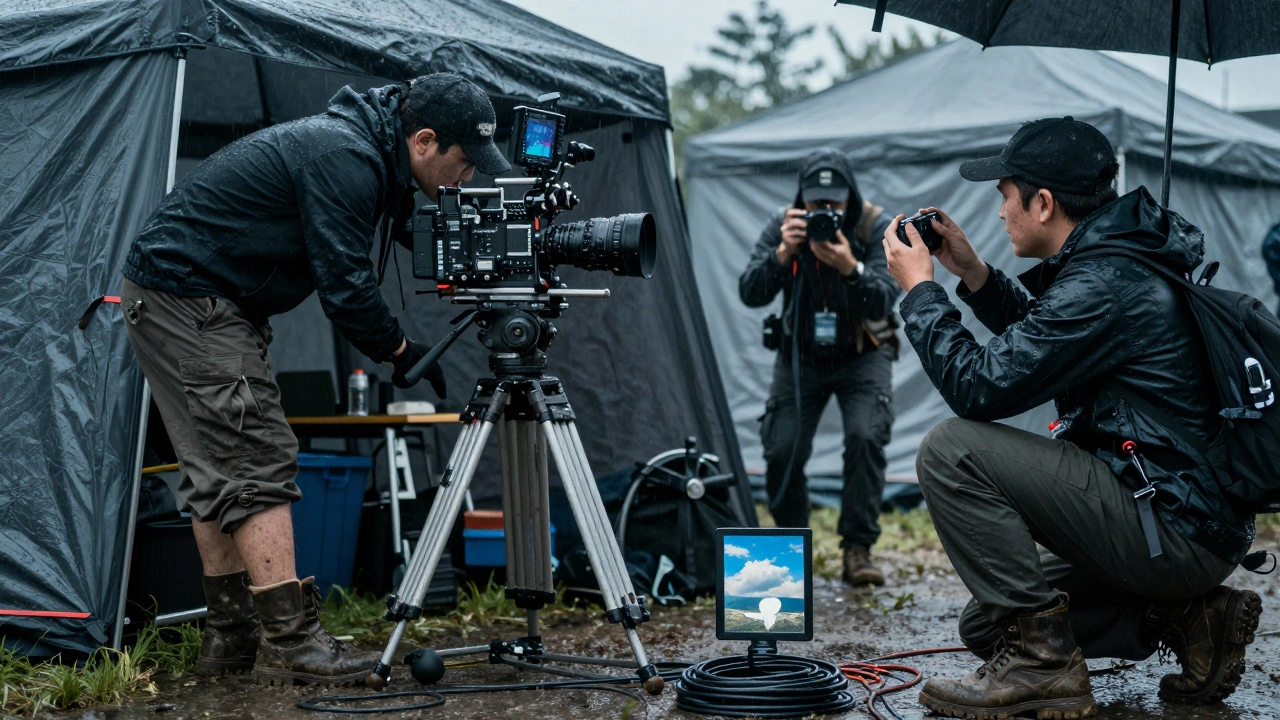
Most indie filmmakers think they can skip insurance because they’re not shooting on a studio lot. But accidents happen on backyards, abandoned warehouses, and rented vans. A crew member slips on wet pavement. A drone crashes into a neighbor’s car. A camera gets stolen from a parked van. These aren’t rare—they’re routine. That’s where general liability insurance, coverage that protects against third-party injuries or property damage during filming. Also known as production liability, it’s the bare minimum every shoot needs. It doesn’t cover your camera, but it covers the $50,000 lawsuit if someone gets hurt because your grip tripped over a cable. You can get this for under $500 for a week-long shoot. Compare that to a single day in court.
Then there’s equipment insurance, coverage that replaces or repairs damaged or stolen gear like cameras, lights, and sound rigs. Also known as camera insurance, it’s what keeps you from scrapping your project after a rainstorm ruins your only 4K rig. Most indie filmmakers rent gear, and rental companies require proof of coverage before handing over the keys. Without it, you’re turned away. Even if you own your gear, replacing a RED camera or a high-end lens out of pocket can wipe out your entire budget. This isn’t about being rich—it’s about being smart.
And don’t forget cast and crew insurance, coverage that pays for medical bills if someone gets hurt on set. Also known as workers’ comp for film, it’s required in many states—even for volunteers. You might think your friends won’t sue if they twist an ankle. But medical bills don’t care about friendship. One ER visit can cost $10,000. Insurance keeps your crew healthy and your relationships intact.
Many low-budget filmmakers try to cut corners by using personal auto or home insurance. That’s a myth. Those policies explicitly exclude commercial filming. If you get hit with a claim, your insurer will deny it—and possibly cancel your personal coverage too. This isn’t just about protecting your film—it’s about protecting your life.
What’s the real cost? For a typical indie film under $100K, you’re looking at $1,000–$2,500 total for full coverage: liability, equipment, cast/crew, and non-union payroll protection. That’s less than the cost of a single high-end lens. And it’s cheaper than paying for one mistake.
Some filmmakers think funding is the only hurdle. But without insurance, your funding is useless. Banks won’t release pre-sale money. Festivals won’t screen your film. Distributors won’t touch it. Insurance isn’t paperwork—it’s your ticket to the table.
Below, you’ll find real stories from filmmakers who made it through budget crises, legal scares, and gear disasters—not by luck, but because they had the right coverage. You’ll learn how to get affordable policies, what to watch out for in fine print, and how to negotiate with insurers who think you’re just another amateur. This isn’t about fear. It’s about control. And for anyone making a film with their own money, that’s everything.