Crew Rate Negotiations on Indie Films: How to Stay Fair and on Budget
Learn how to negotiate fair crew rates on indie films without blowing your budget. Real pay standards, deferred pay tips, and how to keep your team loyal on low-budget shoots.
When you’re making an indie film, indie film crew rates, the daily or weekly pay for crew members on low-budget productions. Also known as low-budget film crew pay, these rates aren’t set by studios—they’re shaped by location, experience, and how much cash you actually have in the bank. Unlike big studio gigs, where union scales are locked in, indie crews often work on flexible terms. Some take pay cuts for credit. Others barter services. And a surprising number work for free—just to be on a project they believe in.
That’s why knowing real cinematographer pay, how much a director of photography earns on indie shoots matters. On a $50K film, you might pay $500–$1,500 per day for a seasoned DP with their own gear. A first-time DP might work for $200/day plus meals. Meanwhile, production assistant wages, the entry-level pay for set helpers and runners often hover between $100 and $250 a day, depending on whether you’re in LA, New York, or rural Oklahoma. Sound low? It is. But in many cases, it’s the only way to get a crew together without a line of credit.
It’s not just about who shows up—it’s about who you can afford to keep. A sound recordist with a good rig might cost more than your gaffer. A grip who can build a rig from scrap might be worth their weight in gold. And don’t forget the editor—many indie films hire editors on a flat fee of $2K–$8K, not hourly. That’s why so many filmmakers start with a skeleton crew: one camera op, one sound person, one producer who also drives the van. You stretch roles. You borrow gear. You sleep on set.
What you won’t find in most budget templates? The hidden costs: meals, gas, parking, permits, insurance, and last-minute overtime. A 12-hour day can easily turn into 16. And if your camera breaks? You’re paying for a rental replacement—out of pocket. That’s why smart indie teams build in a 15–20% buffer, even if they’re already scraping by. It’s not luxury—it’s survival.
And here’s the truth most blogs won’t tell you: the best crew isn’t always the most expensive. It’s the one that shows up early, knows how to fix things with duct tape, and doesn’t complain when the coffee runs out. Many of the most respected indie filmmakers today started with crews who worked for pizza and exposure. That doesn’t mean you should exploit people. It means you need to be honest, fair, and clear about what you can offer—whether it’s cash, credit, or a future gig.
Below, you’ll find real breakdowns from filmmakers who’ve shot under $100K. You’ll see how they stretched every dollar, who they paid, who they didn’t, and what trade-offs actually worked. No fluff. No theory. Just what happened on set—and how they kept the lights on.
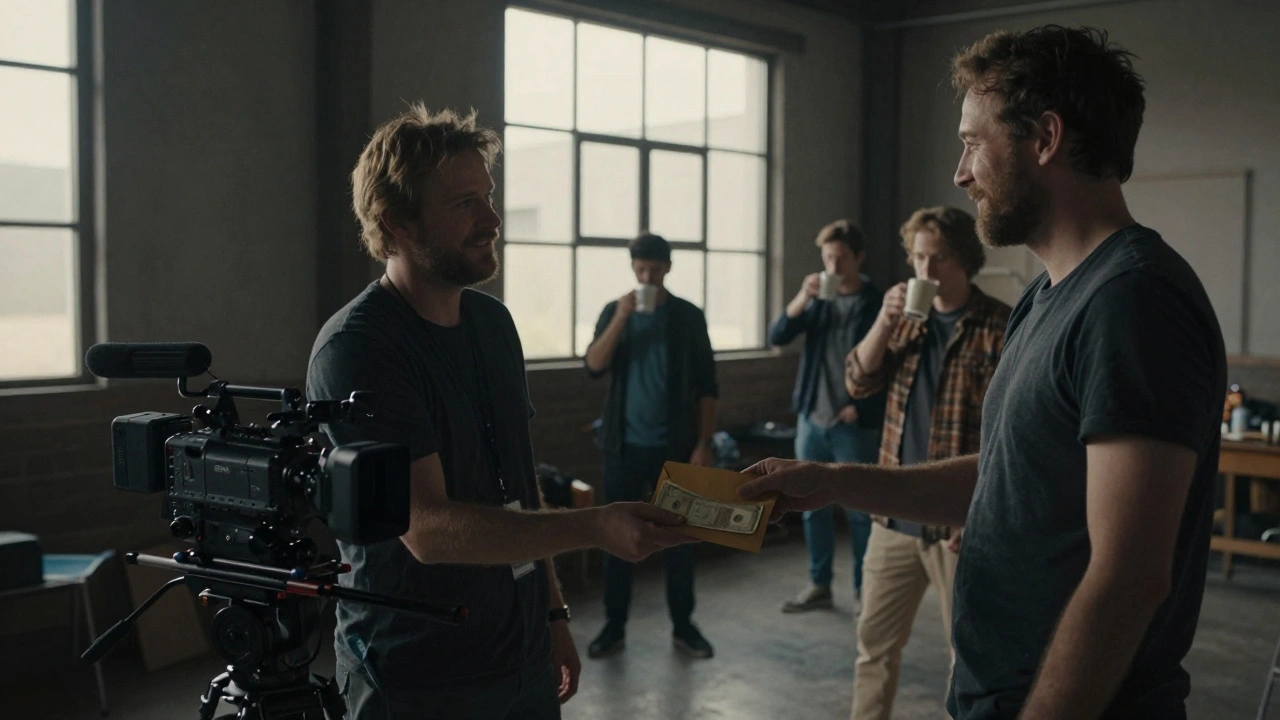
Learn how to negotiate fair crew rates on indie films without blowing your budget. Real pay standards, deferred pay tips, and how to keep your team loyal on low-budget shoots.