Independent Film Financing: How Low-Budget Movies Get Made Without Studio Backing
When you think of a movie, you probably imagine big studios, star actors, and million-dollar budgets. But independent film financing, the process of funding movies outside the traditional studio system, often with personal savings, grants, or crowd-sourced cash. Also known as indie film funding, it’s how films like Everything Everywhere All at Once and My Left Foot got made—without a single studio check. This isn’t about luck. It’s about strategy, grit, and knowing where to find money when banks say no.
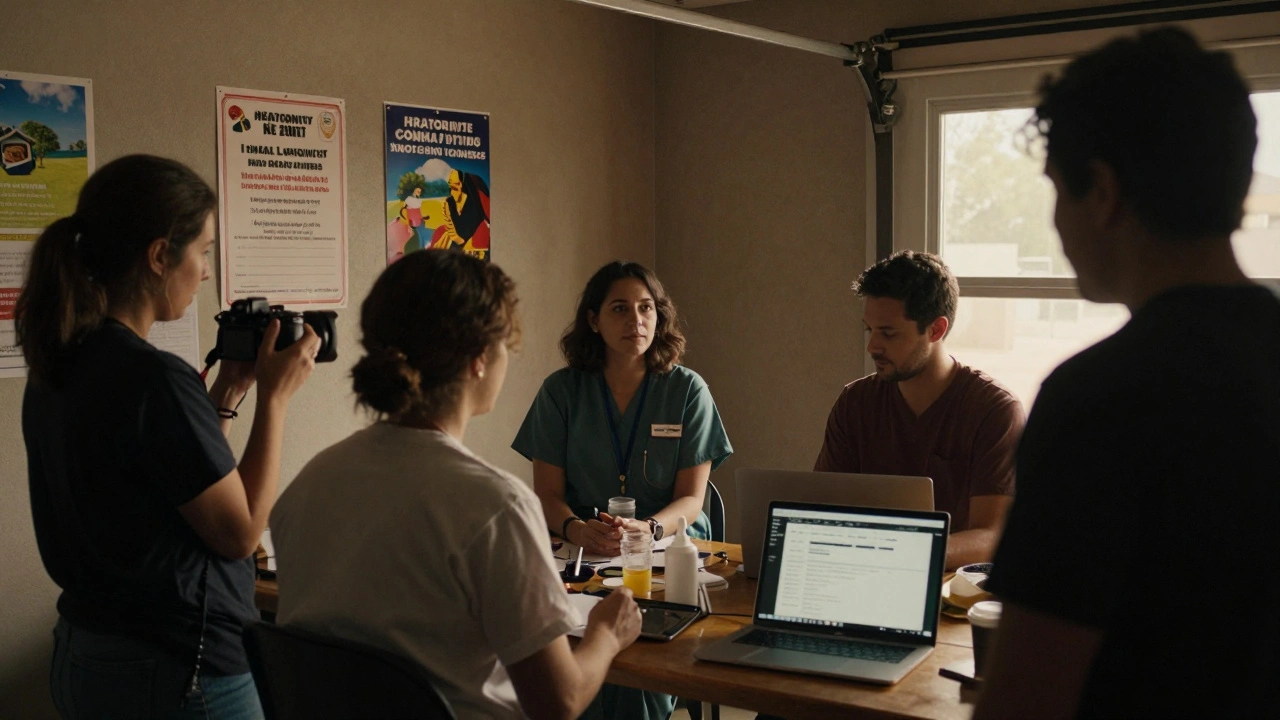
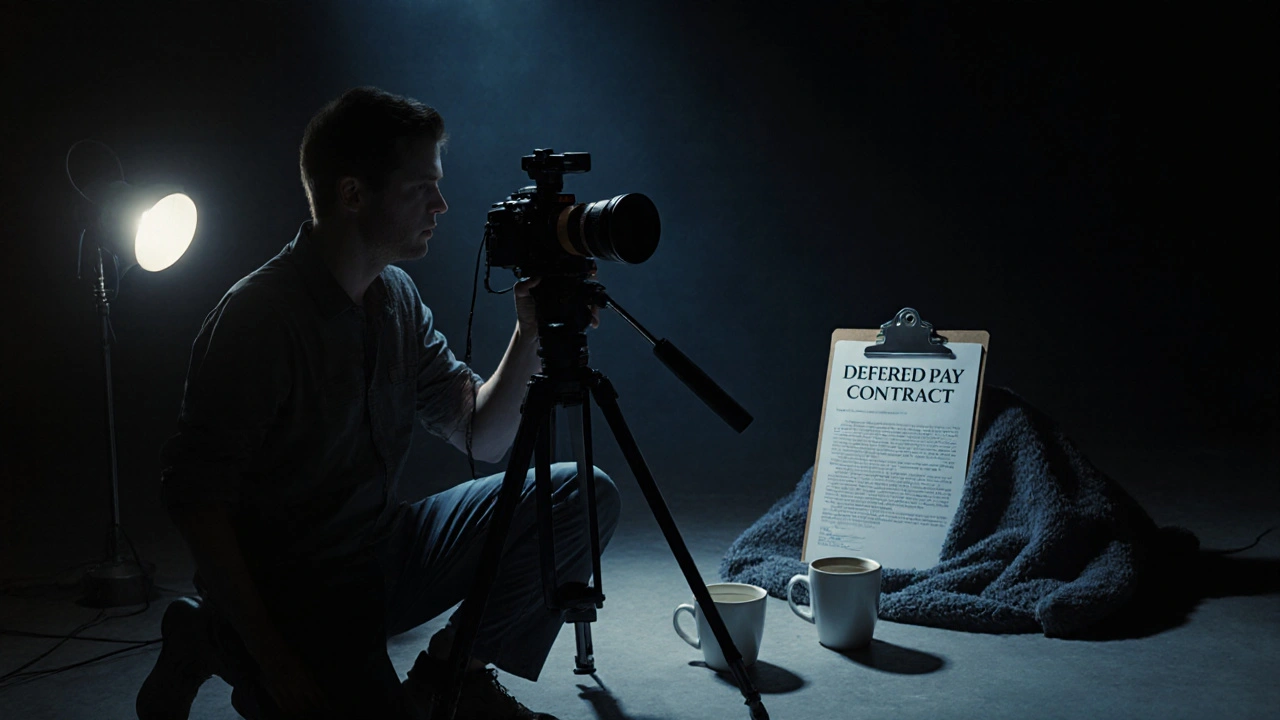
Independent film financing doesn’t just mean scraping together cash. It’s a web of moves: bartering gear for editing time, securing tax credits from local governments, pitching to private investors who believe in the story, or partnering with international co-producers to spread risk. When currency shifts hit, as co-production budget, the financial plan for films made across multiple countries, often affected by exchange rates and regional funding rules gets shaken, smart producers adjust fast—cutting locations, swapping crew, or delaying shoots until the exchange rate improves. And when money runs out mid-shoot? That’s when real filmmakers step up. They use creative workarounds: shooting in friends’ homes, trading services for equipment, or turning local businesses into sponsors in exchange for on-screen plugs. This isn’t theory—it’s what happened on dozens of films you’ve seen.
It’s not just about raising money—it’s about keeping control. Studios demand creative input. Investors want cuts. But with low-budget film, a movie made with minimal financial resources, often relying on volunteer crews and non-traditional funding, the director stays the boss. That’s why festivals like Sundance and Cannes are full of these films. They’re raw, risky, and real. And they win Oscars. The same people who fund these projects often know how to market them too—using geo-targeted ads to reach niche audiences, or releasing them in art-house theaters before going digital. The system isn’t perfect, but it works. And it’s growing. With platforms like Tubi and Pluto TV paying for old films, even finished indie movies can earn years later through late-window monetization, the practice of earning revenue from older films on free streaming services.
What you’ll find below isn’t a list of how-to guides. It’s a real-world map. You’ll read how filmmakers finished movies with zero dollars left, how international co-productions survive currency crashes, how art-house cinemas survive on brand sponsorships, and how some indie films beat Hollywood to the Oscar stage. These aren’t fantasy stories. They’re the daily reality of making cinema without a safety net. If you’ve ever wondered how your favorite indie film got made—this is where you’ll find the answers.