Film Financing: Where Movie Money Comes From
Discover where movie money really comes from - studios, investors, tax credits, crowdfunding, and streaming platforms. Learn how films get funded and why most never turn a profit.
When you think of a movie, you might picture big stars, fancy cameras, and millions spent on sets. But most films that actually get made—especially the ones that win awards and build cult followings—are made on a fraction of that. An independent film budget, the total amount of money allocated to produce a film outside the major studio system. Also known as low budget film production, it’s not about having less money—it’s about using what you have smarter than anyone else. These films don’t rely on studio backing. They rely on grit, creativity, and a deep understanding of where every dollar goes.
Behind every successful indie film is a budget that’s been stretched, bent, and sometimes broken to make it work. That’s where film production incentives, cash rebates or tax credits offered by governments to attract filmmakers to shoot locally come in. States like Georgia, Louisiana, and Canada’s provinces offer up to 40% back on qualified spending. That’s not free money—it’s a trade. You spend money locally, and they give you some back. Then there’s pre-sales financing, a method where filmmakers sell distribution rights in foreign markets before shooting even begins. It’s not magic. It’s about convincing buyers your film will find an audience, even if it’s just a small one. These tools don’t replace a budget—they help you build one from nothing.
And it’s not just about where the money comes from. It’s about how it’s spent. Crew pay on indie films often happens as deferred payments—meaning people work now and get paid later, if the film makes money. That’s why indie film crew rates, the standard pay scales for crew members on low-budget productions are so important. Knowing what’s fair keeps your team loyal. Insurance is another make-or-break. A single accident can wipe out a budget, so indie film insurance, coverage that protects against delays, equipment loss, or liability on set isn’t optional. It’s the safety net that lets you shoot without panic.
Some of the best films ever made were shot on budgets smaller than a Netflix TV episode. They didn’t have fancy gear—they had smart choices. They used natural light instead of renting lights. They shot in real locations instead of building sets. They cast unknown actors who brought raw energy, not big salaries. These aren’t tricks. They’re essentials. And every one of them is built into how an independent film budget actually works.
Below, you’ll find real guides from filmmakers who’ve walked this path. From negotiating crew pay without burning bridges, to filing insurance claims that actually get paid, to using tax credits the right way—these posts show you exactly how it’s done. No fluff. No theory. Just what works when the money’s tight and the clock is ticking.
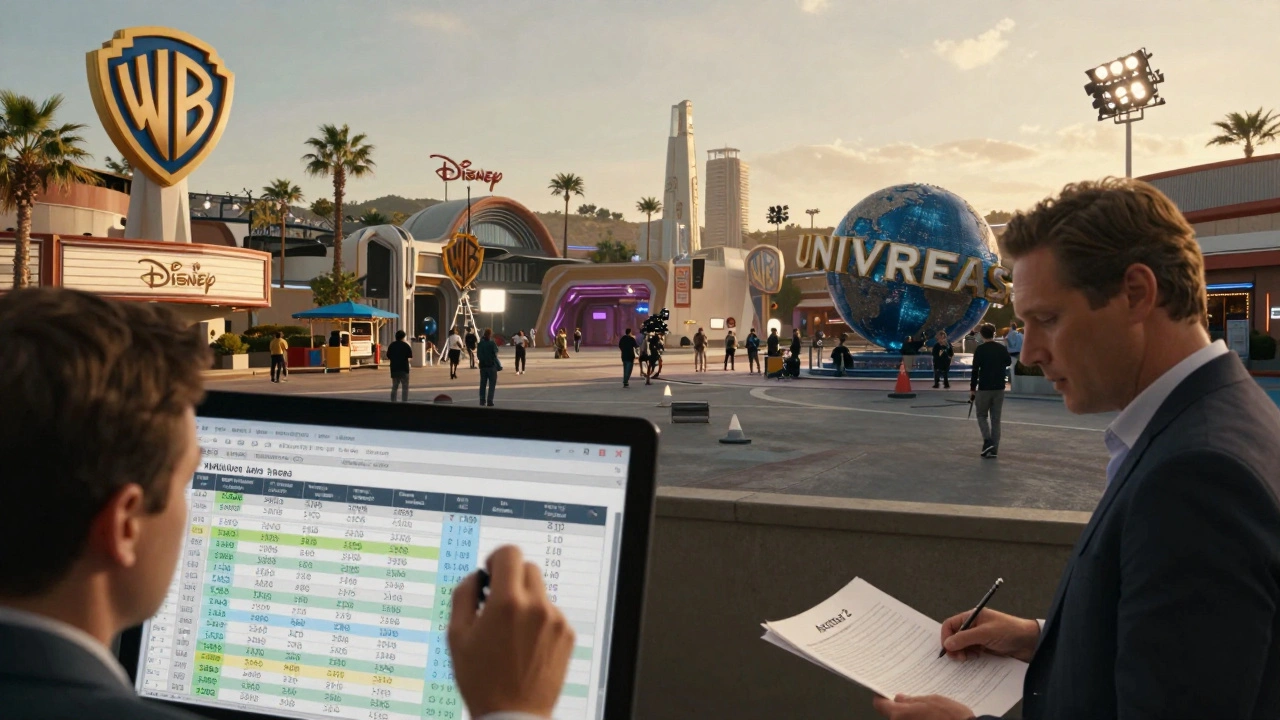
Discover where movie money really comes from - studios, investors, tax credits, crowdfunding, and streaming platforms. Learn how films get funded and why most never turn a profit.