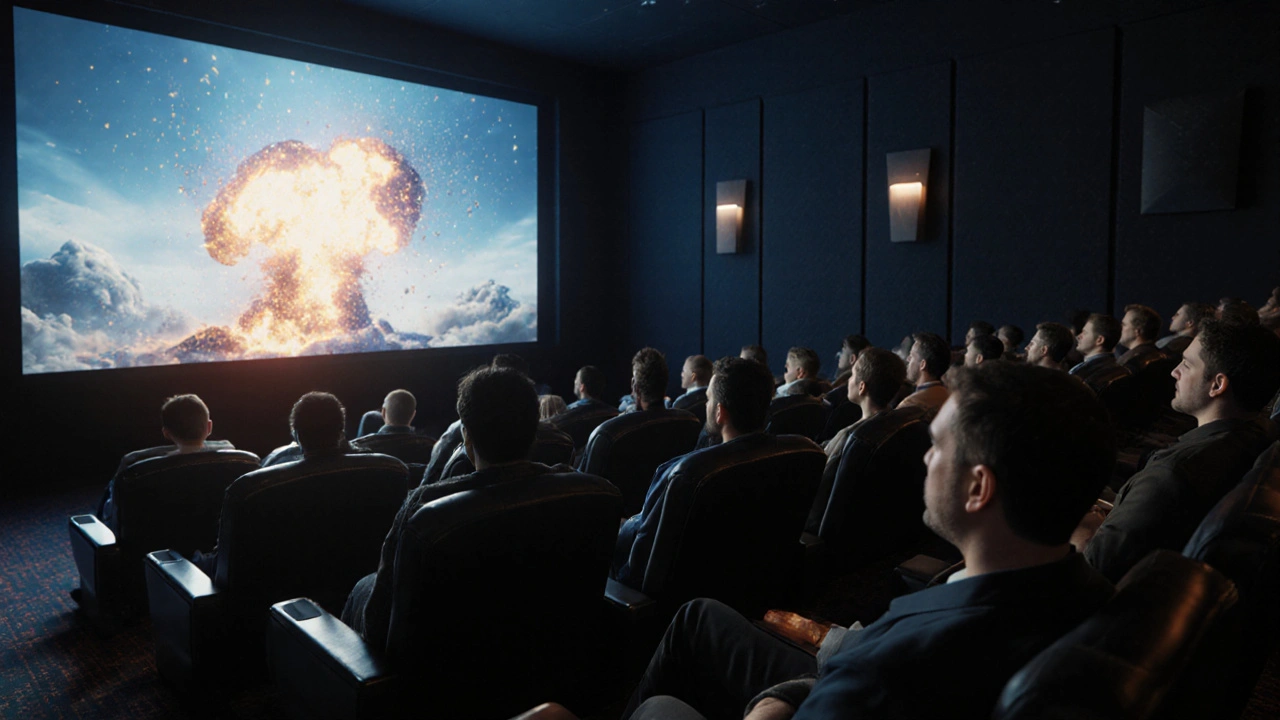
Immersive Film Tech: How New Tools Are Changing How Movies Are Made
When you watch a movie now, what you see on screen might not be real at all—it’s built live, in real time, using immersive film tech, a collection of digital tools that blend physical sets with computer-generated environments to create believable worlds during filming. Also known as virtual production, it’s no longer just for big studios. This shift is changing how every film, big or small, gets made. Forget green screens that require hours of post work. Today’s sets use massive LED walls that show dynamic backgrounds while the camera rolls. The lighting on an actor’s face comes from the screen behind them, not from a lamp. The shadows match the virtual sun. The reflection in their glasses is real because the environment is real—at least, it’s real enough to fool the camera.
This isn’t magic. It’s LED volume walls, large, high-resolution screens that surround the set and display real-time digital environments. Also known as StageCraft, this tech was popularized by The Mandalorian, but now it’s being used in indie films, commercials, and even music videos. The real game-changer? real-time rendering, software that generates visuals instantly as the camera moves, so directors see the final shot while filming. No more waiting weeks to see if the digital dragon fits the scene. You know right away. And if it doesn’t, you adjust the camera angle or tweak the environment on the fly. This cuts production time, reduces VFX costs, and gives filmmakers creative freedom they never had before. It also means you don’t need to fly to Iceland for a snowy landscape—you can shoot in a warehouse in Atlanta with a screen showing the same view.
Immersive film tech doesn’t just change how scenes are shot. It changes how teams work. Cinematographers now collaborate with game engine artists. Directors use VR headsets to block scenes in a digital world before stepping onto the physical set. Even small productions can rent LED volume time for a few days and get results that used to require millions. This isn’t about replacing traditional filmmaking—it’s about giving it new tools. You still need strong storytelling, great acting, and smart editing. But now, you have more control, more speed, and more creative options than ever.
What you’ll find below are real stories from filmmakers who’ve used these tools—how they got started, what went wrong, what saved their project, and how they made the most of limited budgets. From virtual sets that saved a documentary shoot to real-time rendering that cut post-production by weeks, these aren’t theory pieces. They’re hands-on lessons from people who’ve been there. Whether you’re shooting your first short or planning your next feature, this collection gives you the practical truth behind the buzz.