Iberophone Co-Productions: How Spain, Portugal, and Latin America Collaborate on Films
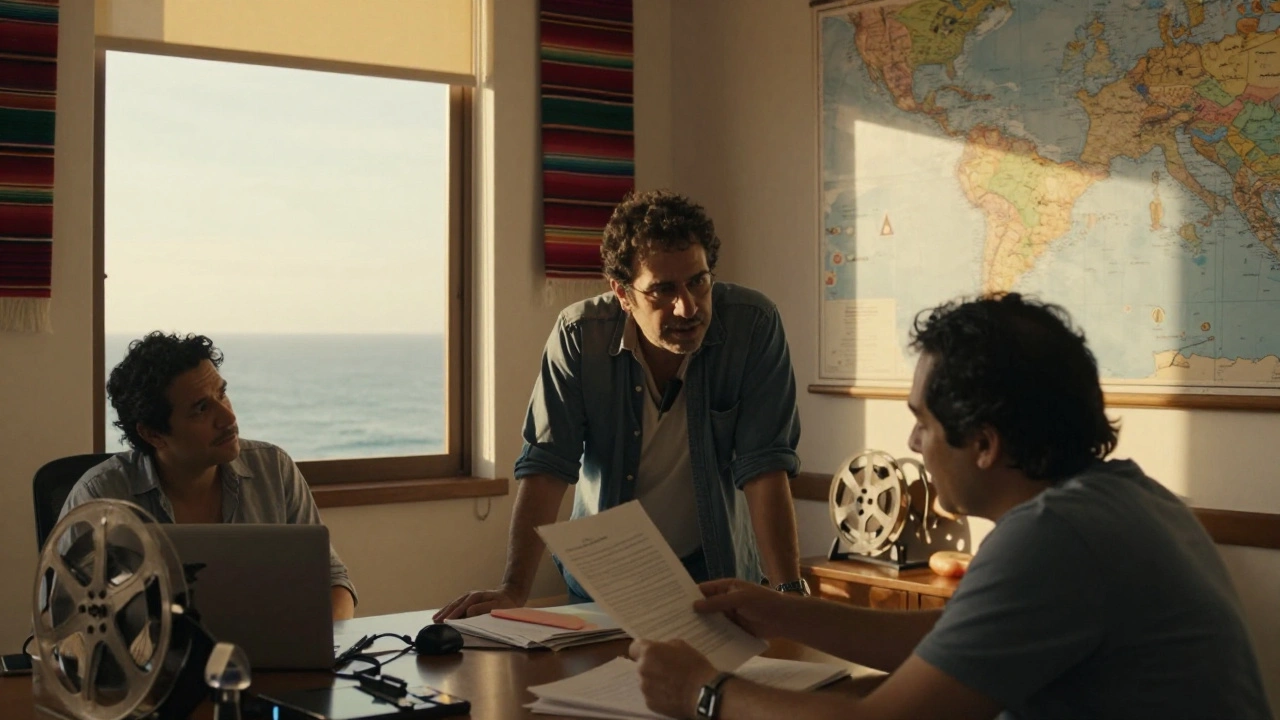
When you think of international film partnerships, you might picture Hollywood teams working with French or Korean studios. But one of the most consistent, under-the-radar forces in global cinema is the network of Iberophone co-productions, film collaborations between Spain, Portugal, and Spanish- or Portuguese-speaking countries in Latin America. Also known as Hispano-Lusophone film partnerships, these projects combine cultural ties, shared language, and government incentives to make movies that reach far beyond their borders. Unlike big-budget Hollywood deals, these co-productions thrive on mutual trust, not just money. A Spanish director might shoot in Mexico with a Portuguese cinematographer, cast an Argentine actor, and fund the whole thing through tax credits from three different countries. It’s not just about saving cash—it’s about telling stories that feel real across cultures.
This kind of collaboration isn’t new, but it’s gotten smarter. Governments in Spain and Portugal offer cash rebates for local spending, which makes it easier for Latin American producers to bring their projects to European studios. In return, Spanish and Portuguese filmmakers get access to Latin American talent, locations, and audiences. You’ll see this in films that blend the gritty realism of Mexican drama with the visual poetry of Portuguese cinema, or in thrillers shot in Colombia but edited in Madrid. These aren’t just translations—they’re true hybrids. And they’re happening more often because audiences now expect authenticity, not just subtitles. The rise of global casting trends, like the ones covered in our post on cross-border talent, makes these partnerships even more powerful. A lead actor from Chile can bring emotional depth to a story set in Andalusia because they share a linguistic and cultural backbone.
What makes Iberophone co-productions different from other international deals is how deeply they tie into local film ecosystems. You’ll find them supported by film festivals like San Sebastián, Lisbon, and Guadalajara, where producers pitch projects to buyers from all over the Spanish- and Portuguese-speaking world. Funding often comes from public film agencies like ICAA in Spain or ANCINE in Brazil, not private studios. That means more creative freedom, but also more paperwork. These films often rely on pre-sales financing, where distribution rights are sold in advance across multiple countries to lock in cash before shooting starts. And because these projects are usually lower budget, they’re perfect testing grounds for new techniques—like real-time VFX or drone cinematography—that later show up in bigger films. The result? A steady stream of fresh, emotionally rich movies that fly under the radar but quietly shape what global audiences watch.
Below, you’ll find a collection of articles that dig into the tools, trends, and real-world examples behind these collaborations. From how production incentives work across borders to how casting decisions are made when language isn’t the only barrier, these posts give you the full picture—not just the headlines. Whether you’re a filmmaker looking to team up across the Atlantic or just a movie fan wondering why so many of your favorite films feel strangely familiar, this is where the real story begins.