Haptics in Film: How Touch Technology Is Changing Movie Experiences
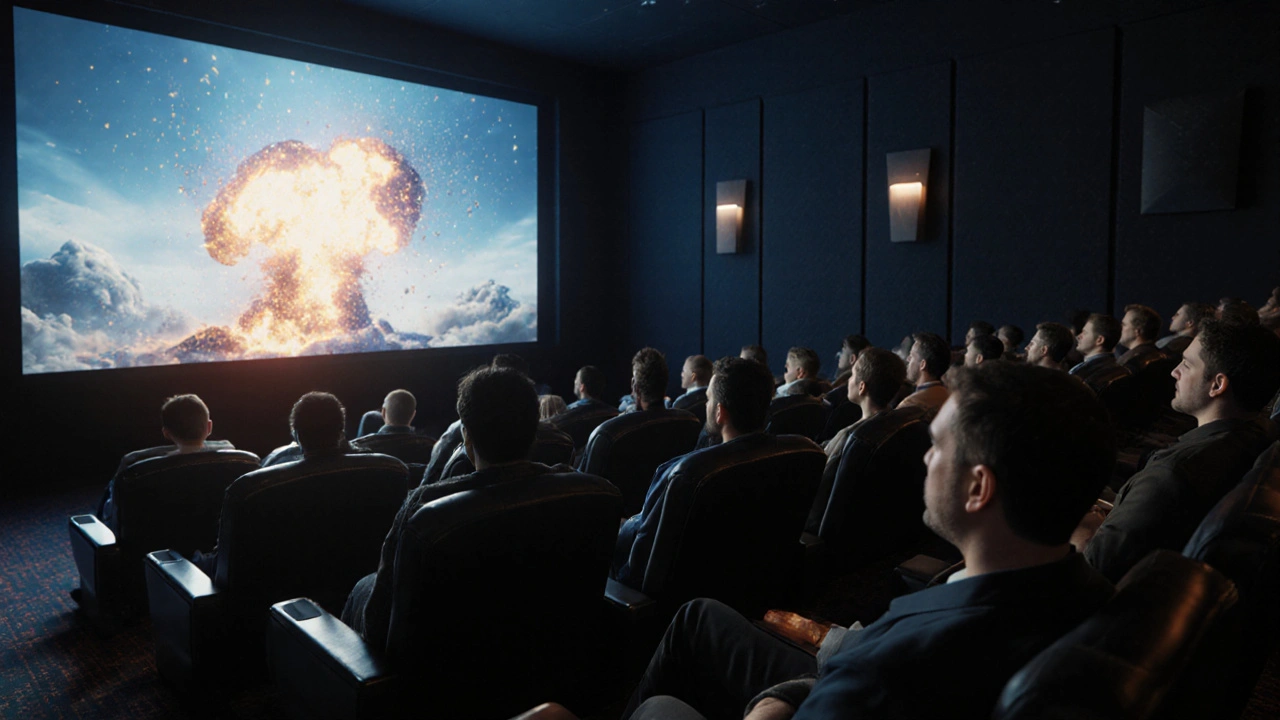
When you watch a movie, you don’t just see it—you feel it. That’s the power of haptics in film, the use of tactile feedback to simulate physical sensations during movie viewing. Also known as tactile feedback in cinema, it’s not sci-fi anymore—it’s in theaters, home systems, and even VR headsets, making explosions rumble through your seat, rain tap against your skin, or a character’s handshake send a gentle pulse through your glove. This isn’t about flashy effects. It’s about deepening emotion. A whispered line in a quiet scene hits harder when the viewer feels the breath on their neck. A chase sequence becomes more intense when the vibrations match the car’s skid. Haptics turns passive watching into active experiencing.
It works by syncing physical feedback with on-screen action using small actuators, wearable devices, or even smart seats. Companies like Tesla and Razer have tested haptic seats in drive-in theaters, while research labs at MIT and USC have built gloves that mimic textures—like rough stone or silk—based on what’s shown on screen. These systems don’t just vibrate randomly; they’re coded to match timing, intensity, and even direction of movement. A character brushing past you in a crowd? You feel a light brush on your arm. A door slams? Your chest feels the thud. It’s not magic—it’s precision engineering paired with emotional storytelling. And it’s not just for blockbusters. Indie filmmakers are using low-cost haptic bands and smartphone-integrated feedback to make short films feel larger than life, even on a laptop.
What’s driving this? Audiences are tired of screens that feel flat. After years of streaming on phones and tablets, people crave immersion that goes beyond 4K resolution and Dolby Atmos. Haptics fills that gap. It’s also becoming essential in virtual reality and hybrid cinema experiences, where touch is the missing sense. Think of it like adding scent to a painting—you don’t need it to see the image, but suddenly, the whole thing comes alive. The posts below show how this tech is being used in real projects—from experimental shorts to studio tentpoles—and how filmmakers are learning to use it without overwhelming the story. You’ll find guides on designing haptic cues, case studies from festivals that tested the tech, and interviews with sound designers who now work alongside haptic engineers. This isn’t just the future of film. It’s already here—and it’s changing what a movie can do to you.