Haptic Feedback Movies: How Touch Is Changing Film Experience
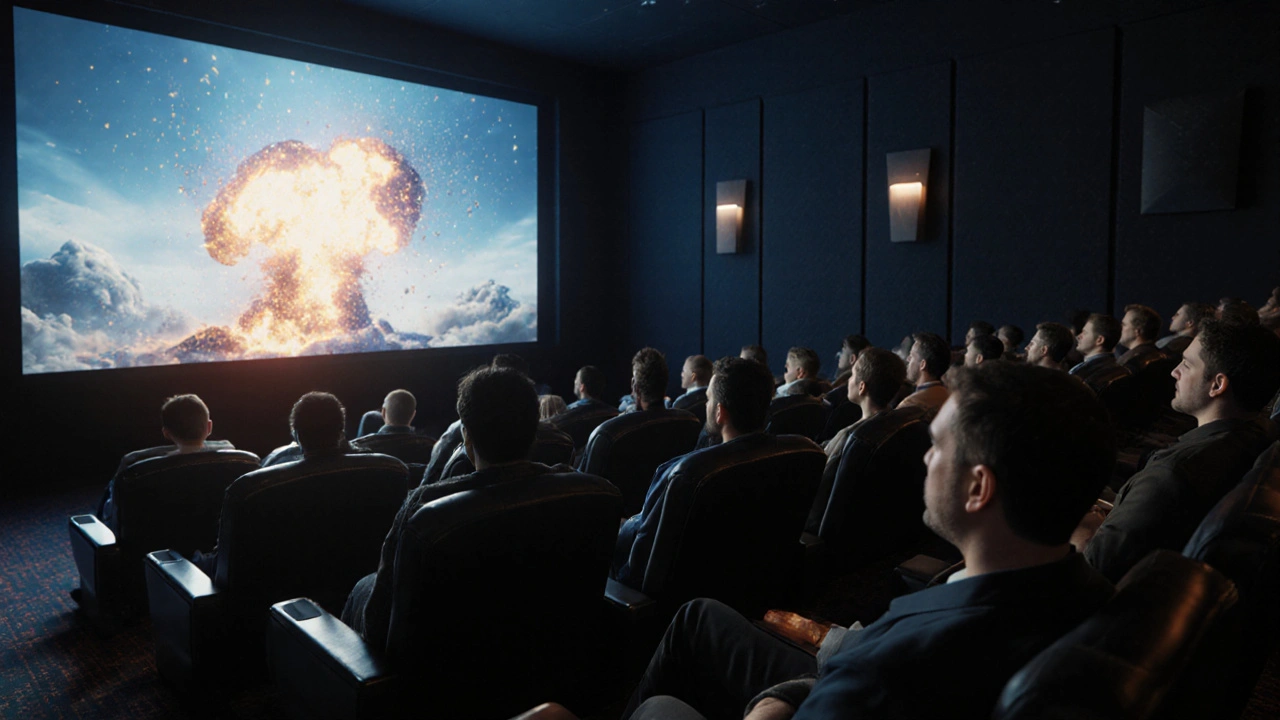
When you watch a movie and your seat rumbles during an explosion, or your arm tingles when a character brushes past you on screen, you’re experiencing haptic feedback movies, a form of cinema that uses physical sensations to deepen immersion. Also known as tactile cinema, it’s not just about sound and visuals anymore—it’s about making you feel the story in your body. This isn’t sci-fi anymore. Companies like Tesla and Razer have tested haptic seats in theaters, and startups are building wearable suits that sync with on-screen action—like a gust of wind when a character runs through a storm, or a pulse when a heartbeat is heard.
Behind every great haptic feedback movies, a form of cinema that uses physical sensations to deepen immersion experience is sensory film design, the craft of mapping physical cues to emotional beats in a film. It’s not random vibration. A well-designed haptic sequence makes you feel the weight of a falling object, the tension in a character’s grip, or the rush of a car speeding past. Think of it like sound design, but for touch. The best systems don’t overwhelm—they enhance. They make a quiet moment between two characters feel more intimate by adding the subtle warmth of a shared blanket through a sleeve cuff.
This tech doesn’t just live in theaters. It’s being tested in VR headsets, home theater systems, and even mobile apps that sync with your phone’s vibration motor during streaming. Some indie filmmakers are using low-cost haptic pads to test audience reactions before release. And while big studios haven’t rolled it out widely yet, the data is clear: viewers remember scenes better when they feel them. That’s why studios are watching closely. It’s not about replacing the story—it’s about deepening your connection to it.
What you’ll find in this collection are real examples of how filmmakers, engineers, and designers are pushing this boundary. From prototype suits tested at Sundance to how streaming platforms are experimenting with haptic cues in their originals, these stories show you what’s working, what’s failing, and where the next big leap might happen. This isn’t just about gadgets. It’s about how cinema is learning to speak to more than just your eyes and ears.