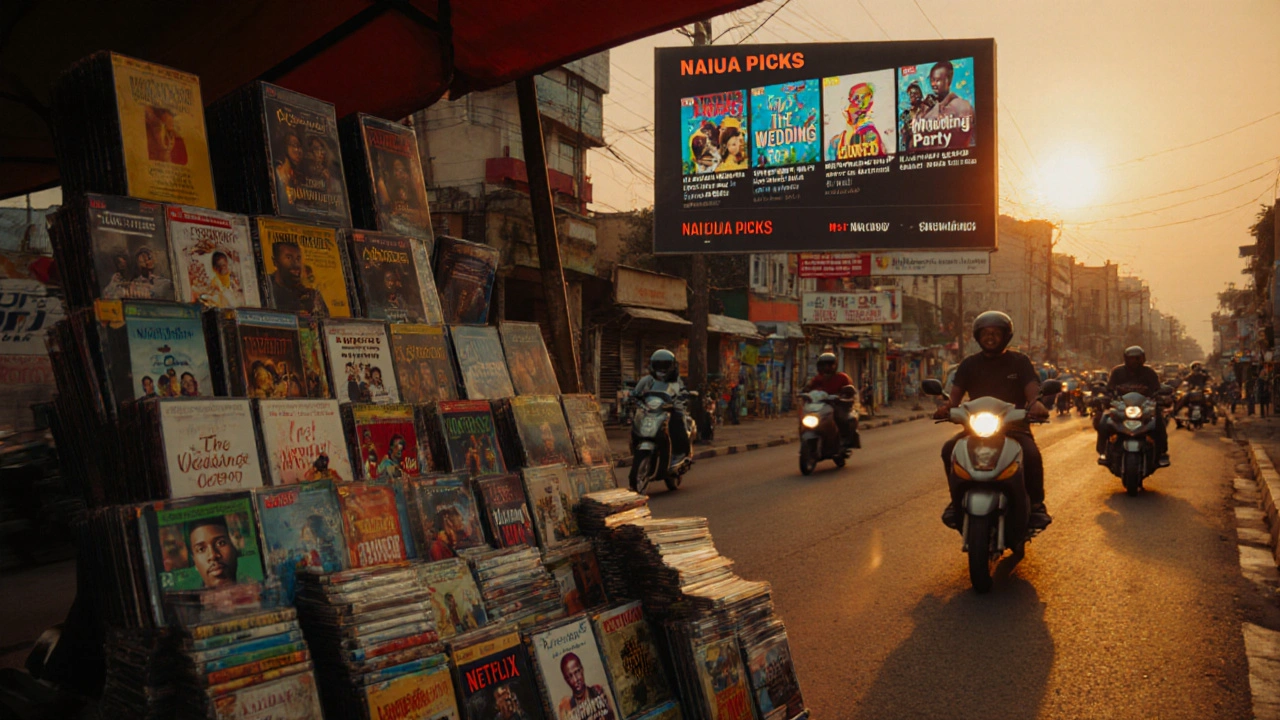
Global Film Market: How International Sales, Festivals, and Streaming Shape Cinema Today
When you think of the global film market, the worldwide system of film production, distribution, and revenue that connects theaters, streamers, and festivals across borders. Also known as international cinema economy, it's not just about box office numbers—it's about who pays for films before they're made, where they find audiences, and which countries control the rules. Most people assume Hollywood runs the show, but the real engine is in places like Hungary, Thailand, and Georgia, where tax credits lure productions from the U.S. and Europe. Meanwhile, China and India have co-production treaties, but strict censorship and quotas mean even big studios struggle to get films approved. The global film market doesn't care about your script—it cares about your distribution deals.
Behind every indie film that screens at Cannes or lands on Netflix is a web of international film sales, the practice of selling distribution rights to foreign buyers before production even starts. These presales aren’t glamorous, but they’re how most non-Hollywood films get funded. A filmmaker in Nigeria might sell rights to a distributor in Brazil, then use that money to shoot in Ghana. film festivals, curated events that act as launchpads for films to reach global buyers and critics are the trading floors of this system. A surprise screening at Sundance or a late addition at Venice can turn a microbudget film into a worldwide hit. And it’s not just about prestige—festivals are where streaming platforms scout for content, often buying films right after the credits roll.
Then there’s streaming platforms, digital services like Netflix, Amazon, and Disney+ that now control how films are released, marketed, and monetized across countries. They don’t need theaters. They care about completion rates, regional engagement, and whether a film can be dubbed or subtitled cheaply. A documentary made in Argentina might get picked up because it performs well in Germany and Japan, even if it flops in the U.S. This shift has changed what gets made—films are now designed for global algorithms, not local audiences. The global film market isn’t shrinking—it’s fragmenting into dozens of regional ecosystems, each with its own rules, money sources, and audiences.
What you’ll find below isn’t a list of box office rankings. It’s a look at the real mechanics behind how films get made, funded, and seen outside of Hollywood. From how geo-targeted ads help indie films reach local viewers, to how trade ads sway Oscar voters, to how LED volumes and open-source tools let small teams compete with studios—every post here pulls back the curtain on the messy, brilliant, global system that keeps cinema alive. You won’t find fluff. Just the facts that shape what ends up on your screen.