Global Casting: How Films Find Talent Across Borders
When you think of movie stars, you might picture Hollywood auditions or big-name agencies—but global casting, the practice of selecting actors from anywhere in the world for film roles, regardless of nationality or language. Also known as international casting, it’s no longer a niche strategy—it’s the new normal. Studios aren’t just looking for actors who speak English; they’re hunting for realness, cultural accuracy, and fresh faces who haven’t been filtered through traditional systems. A lead in a Netflix series might come from a viral TikTok creator in Brazil. A supporting role in a European co-production could go to a theater actor from Manila. This shift isn’t about diversity for optics—it’s about storytelling that feels true, and audiences can tell the difference.
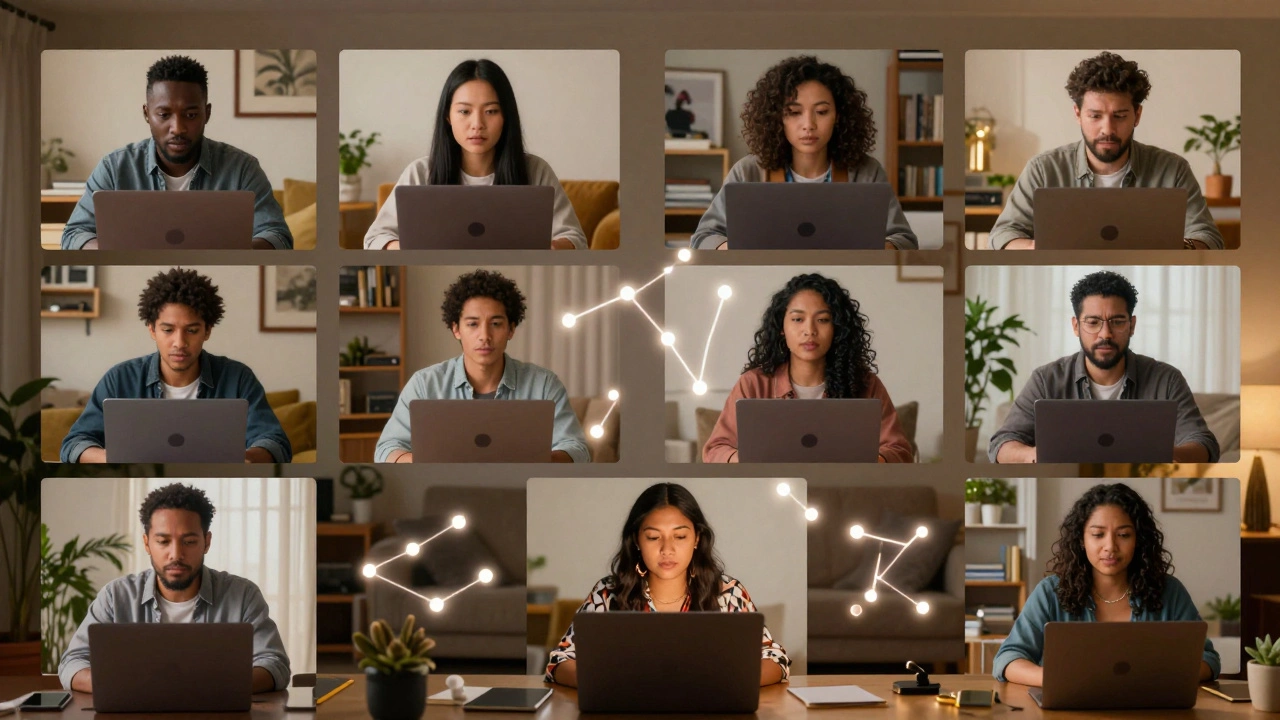
Global casting doesn’t just mean casting non-American actors. It’s about non-traditional casting, bypassing Hollywood’s usual pipelines—auditions, agents, film schools—to find talent where it already lives. Also known as digital talent discovery, this approach pulls people from YouTube channels, local theater troupes, or even Instagram reels. The rise of cross-border casting, when production teams scout and hire actors across countries, often without visas or relocation. Also known as remote casting, it’s made possible by video submissions, virtual callbacks, and AI-assisted screening tools. You don’t need to fly to LA anymore. A director in Germany might cast a lead from Lagos after watching a 90-second audition clip on WhatsApp.
This isn’t just happening in indie films. Blockbusters now rely on global casting to build believable worlds. Think of the Korean cast in Parasite winning Best Picture, or the Nigerian actors in The Woman King bringing history to life with accents and gestures no American actor could fake. Even streaming platforms like Apple TV+ and Amazon Prime use global casting to tap into regional audiences—because a story set in Jakarta needs someone who grew up in Jakarta, not just someone who studied the accent.
What’s driving this? Two things: audiences are tired of recycled tropes, and filmmakers know that authenticity sells. When a film gets casting right, it doesn’t just look real—it feels real. And that’s why the best casting directors today aren’t just scouts—they’re cultural translators. They know which towns in Colombia have the best street performers. They track which universities in Poland train actors who can handle intense emotional scenes without overacting. They follow film festivals in Senegal and Taiwan because that’s where the next breakout star is already performing—not waiting for an invite.
Below, you’ll find real stories from the front lines of this shift: how influencers landed film roles without auditions, how Latin American and European co-productions built shared casting pools, and how studios are now using data to find talent no one’s ever heard of—until the movie drops and everyone’s asking, ‘Who is that?’ This isn’t the future of casting. It’s already here.