General Liability Insurance for Indie Filmmakers: What You Need to Know
When you’re shooting a movie on a public street, in a rented warehouse, or even someone’s backyard, general liability insurance, a type of coverage that protects filmmakers from third-party claims of bodily injury or property damage during production. Also known as film production insurance, it’s not optional—it’s the first thing venues, cities, and distributors ask for before they let you shoot. If your camera knocks over a display at a store, or a crew member trips on a cable and breaks their ankle, this insurance steps in. Without it, you’re personally on the hook for legal fees, medical bills, and repairs—money most indie filmmakers simply don’t have.
It’s not just about accidents. film set safety, the practice of minimizing risks during production through proper equipment handling, crew training, and hazard awareness goes hand-in-hand with coverage. Many locations require proof of insurance before you even unload your gear. Festivals won’t screen your film without it. Streaming platforms like Vimeo On Demand or Amazon Prime Video demand it before they’ll host your title. Even if you’re shooting for free with friends, the law doesn’t care—you’re still a business when you’re filming.
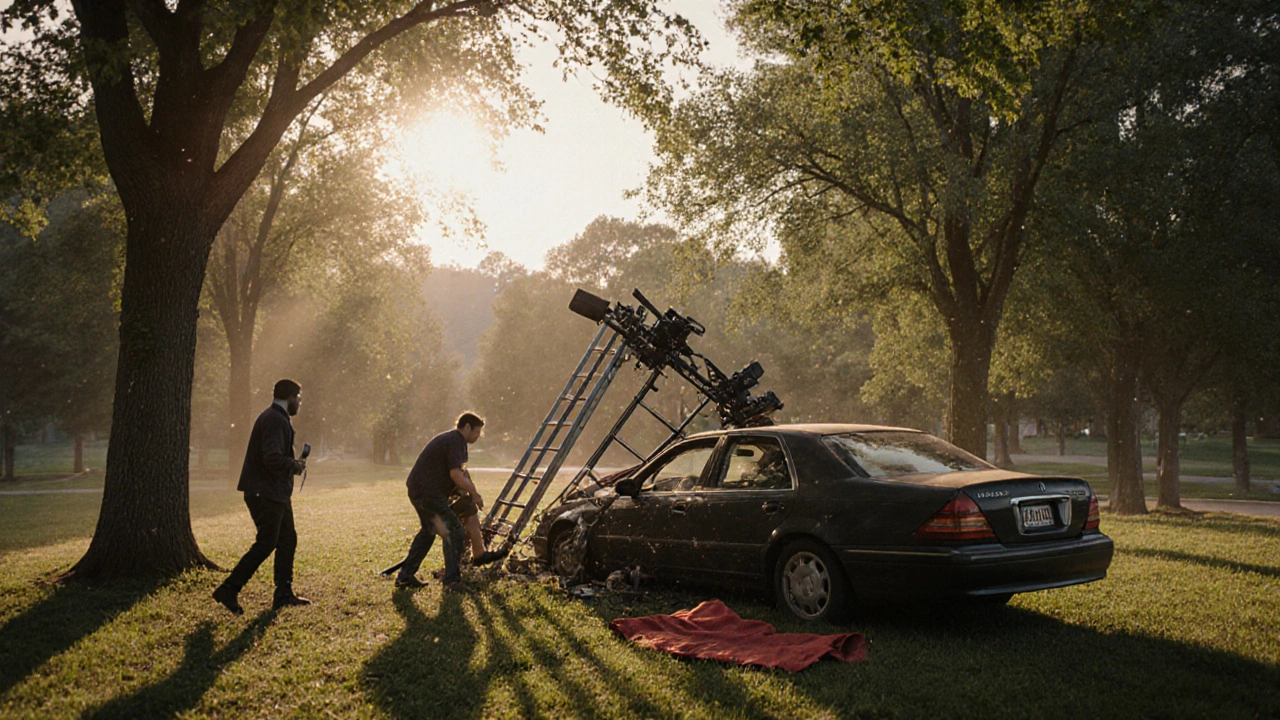
production risk management, the process of identifying, assessing, and mitigating potential financial and legal threats during film production starts with this policy. It doesn’t cover your camera if it falls into a river, or actor injuries from stunts (those need separate policies), but it does cover the neighbor whose fence you accidentally knocked down while setting up a crane. It covers the café owner whose floor got damaged by water from a spilled coffee prop. It covers the person who sued because they slipped on a wet sidewalk near your shoot. These aren’t hypotheticals—they happen all the time. One lawsuit can sink a film before it even finishes editing.
What most filmmakers don’t realize is that you don’t need a Hollywood budget to get this coverage. Companies like Film Insurance Direct, Entertainment Insurance Services, and even some local brokers offer policies tailored for micro-budget shoots. You can buy coverage for a single day, a week, or the whole shoot. Some policies even include coverage for permits, equipment rentals, and third-party vendors. The key is knowing what’s required before you start rolling.
And it’s not just about legal protection. Having insurance builds trust. Crews feel safer working on a set that’s covered. Investors are more likely to back a project that’s got its basics in order. Distributors see it as a sign you’re serious. In a world where indie films are often made with zero safety nets, general liability insurance is one of the few things that can actually save your project from collapsing under its own weight.
Below, you’ll find real stories from filmmakers who learned the hard way—some lost everything because they skipped insurance. Others found creative ways to get covered on a shoestring budget. You’ll also see how production teams use insurance as part of a bigger strategy to protect their work, their crew, and their future. This isn’t paperwork. It’s your film’s first line of defense.