Franchise Production: How Studios Build Long-Lasting Movie Universes
When you think of franchise production, the systematic creation of interconnected films designed to generate long-term revenue through sequels, spin-offs, and merchandise. Also known as movie universes, it's not just about making a hit—it's about building a machine that keeps running for decades. Think Marvel, Star Wars, Fast & Furious. These aren’t accidents. They’re carefully engineered systems where every film serves a larger goal: keep audiences coming back, keep merch flying off shelves, and keep streaming platforms hooked.
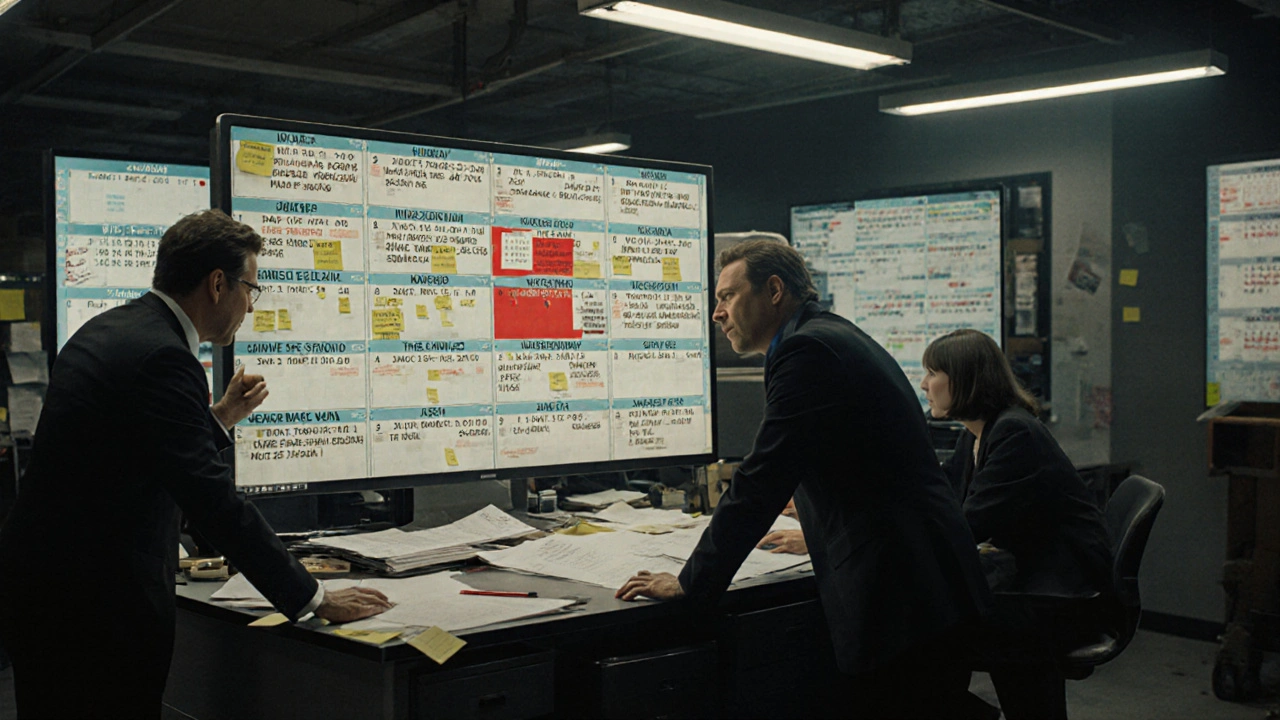
Franchise production relies on three key pieces: studio release strategy, the planned scheduling of films to avoid self-competition and maximize seasonal demand, film financing, the complex mix of upfront funding, tax incentives, and deferred payments that make risky sequels possible, and movie universes, shared worlds where characters, locations, and rules cross over between films. You can’t build a franchise without all three. Studios don’t just greenlight a sequel because the first one made money—they map out five films ahead, tie them to toys and games, and time releases to avoid clashing with their own other franchises.
Look at how franchise production works in practice. Holiday stacking isn’t just about Christmas movies—it’s about locking in family audiences for the next five years. Animated streaming films aren’t random picks—they’re designed to become the next Pixar or DreamWorks, with built-in merchandising pipelines. Even indie films that win Oscars often become franchise seeds—think Everything Everywhere All at Once, which now has spin-off talks in the works. Meanwhile, studios use back-end deals and deferrals to stretch budgets across multiple entries, so if one film underperforms, the next one still gets made.
It’s not all profit. Franchise fatigue is real. Audiences are tired of the same formula. That’s why some studios now experiment with tone shifts, spin-offs focused on side characters, or even reboots that ignore previous continuity. The goal isn’t just to repeat—it’s to evolve without losing the core. And with international markets like China and India shaping co-production deals, franchises now have to balance global appeal with local censorship and quotas.
What you’ll find below isn’t just a list of articles—it’s a behind-the-scenes look at how franchises are built, funded, and sometimes broken. From how motion capture turns actors into digital icons to how late-window streaming deals keep old franchises alive, these posts show the real mechanics behind the magic. You’ll see how studios plan years ahead, how crews survive on deferred pay, and why some franchises last while others vanish after one sequel. This isn’t about hype. It’s about the work behind the scenes that keeps the lights on—and the box office roaring.