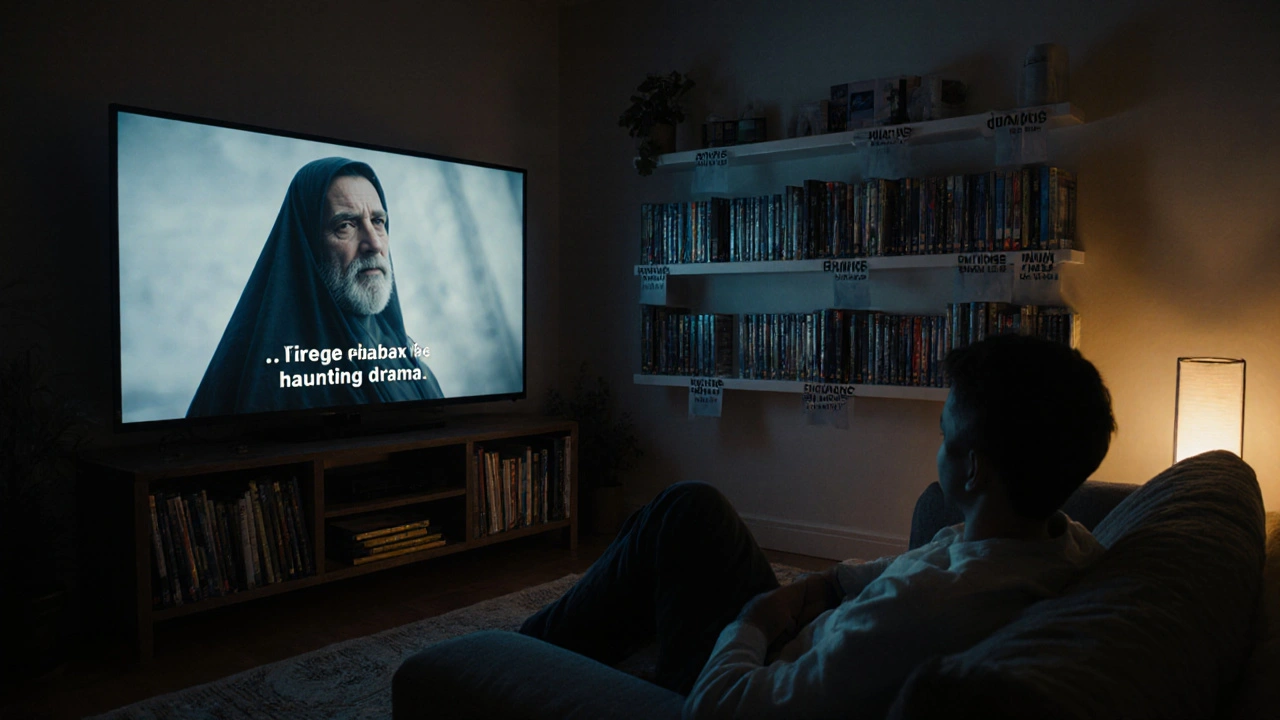
Foreign Cinema: Global Films, Festivals, and How They Shape World Storytelling
When we talk about foreign cinema, motion pictures produced outside the dominant Hollywood system, often in non-English languages and rooted in local cultures. Also known as international cinema, it’s not just movies made elsewhere—it’s a different way of seeing the world, told through local voices, rhythms, and truths. These films don’t rely on big budgets or CGI. They use silence, long takes, and everyday moments to build emotion. A French film might spend ten minutes watching someone make coffee. A South Korean thriller might let tension build for an hour before a single scream. That’s the power of foreign cinema—it trusts the audience to feel, not just be shown.
What makes foreign cinema thrive? It’s tied to film festivals, curated events like Cannes, Berlinale, and Venice where global films find their first audience and buyers. Also known as international film markets, these festivals aren’t just red carpets—they’re where distributors scout, filmmakers network, and careers are made. Without them, many of these films would vanish after a one-night screening in a small theater in Lisbon or Bogotá. And then there’s global filmmakers, directors from countries with limited funding but endless creativity, like Apichatpong Weerasethakul from Thailand or Asghar Farhadi from Iran. Also known as auteur directors, they often work with tiny crews, non-professional actors, and real locations because they can’t afford studios. Their films don’t always win box office numbers, but they win hearts—and Oscars, Palme d’Ors, and Golden Lions.
Foreign cinema isn’t just about language or geography. It’s about perspective. A Japanese film might explore grief through the quiet routine of a widow. An Iranian film might show a child’s view of war without showing a single gun. These stories bypass propaganda, stereotypes, and clichés. They don’t need to explain their world—they live in it. That’s why streaming platforms now compete for these films: they’re not just alternatives to Hollywood. They’re the soul of cinema.
What you’ll find below are real stories from the front lines of global filmmaking. How indie films break into streaming. How sales agents close deals at markets. How animated shorts from Senegal or documentaries from Ukraine find audiences without ads. These aren’t theory pieces. They’re guides made by people who’ve been there—filmmakers, producers, festival programmers—who know that the next great movie might come from a village with no cinema, but a phone and a dream.