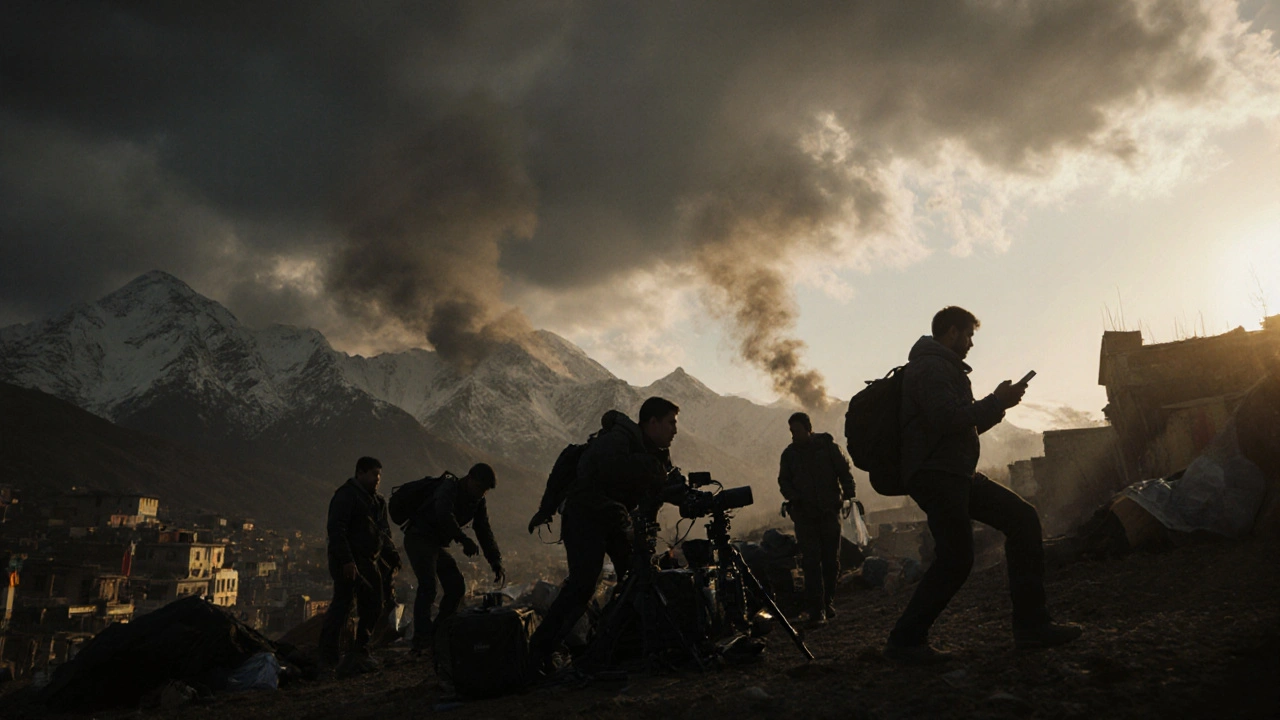
Force Majeure Coverage: What It Means for Film Production and Distribution
When a film shuts down because of a storm, a strike, or a global pandemic, force majeure coverage, a clause in film insurance that protects against unforeseen events beyond human control. Also known as act of God provisions, it’s the safety net that keeps studios and investors from losing everything when production halts unexpectedly. This isn’t just legal jargon—it’s the difference between a movie finishing on time and vanishing into development hell.
Force majeure coverage isn’t just about weather or earthquakes. It covers strikes, war, government lockdowns, and even sudden illness of a lead actor if it’s deemed unavoidable. In 2020, dozens of films—from big studio blockbusters to indie projects—relied on this clause to pause shooting without breaching contracts. But here’s the catch: not all policies are the same. Some only cover physical damage to sets, while others include cast and crew unavailability. The most comprehensive versions even protect against delays in post-production due to studio closures. That’s why producers now negotiate these terms like they’re securing a life raft before launching a boat.
It’s not just about protecting money—it’s about protecting relationships. When a film gets delayed, distributors, streaming platforms, and theaters all have their own deadlines. Force majeure clauses let filmmakers renegotiate release windows without penalties. For example, if a movie was supposed to hit theaters in summer 2021 but couldn’t finish editing because of a crew quarantine, the clause gave the studio leverage to push the date without losing the deal. Without it, they’d be on the hook for millions in lost revenue and breach fees.
And it’s not just Hollywood. Independent filmmakers are using force majeure coverage more than ever. With tighter budgets and fewer buffers, one unexpected delay can kill a project. A documentary shot in a country that suddenly closed its borders? A microbudget film that lost its location permit because of a protest? These aren’t rare anymore. The rise of global uncertainty means every production, no matter how small, needs to ask: What happens if we can’t shoot? That question is now part of the first budget meeting, not the last.
Behind every delayed film you hear about, there’s a legal team, an insurance broker, and a producer who read the fine print. The best productions don’t wait for disaster—they build protection into their plans from day one. Force majeure coverage isn’t glamorous, but it’s the quiet backbone of modern filmmaking. It lets creativity keep going, even when the world doesn’t.
In the collection below, you’ll find real stories of how force majeure coverage shaped film releases, saved projects from collapse, and changed how studios plan for the unpredictable. From pandemic shutdowns to union walkouts, these articles show you exactly how this clause works in practice—and why ignoring it could cost you more than time.