Filmmaking Partnership: How Collaborations Drive Independent Film Success
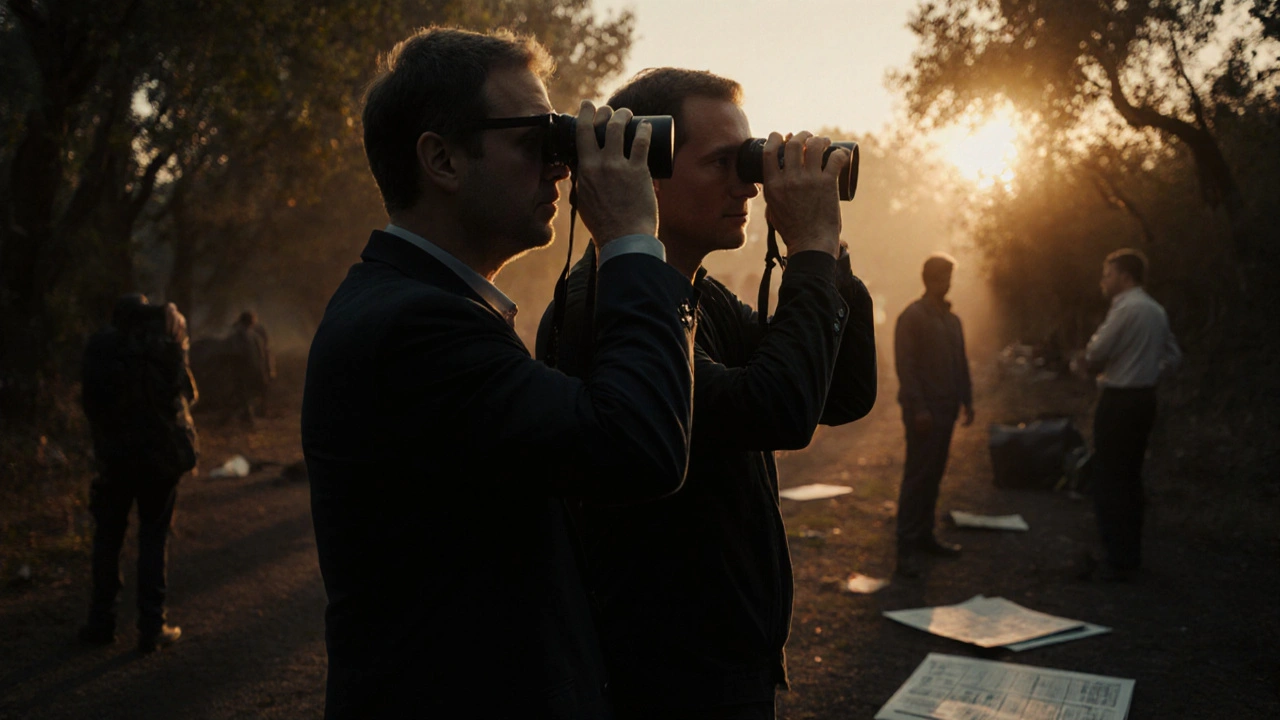
At the heart of every independent film that finds its audience is a filmmaking partnership, a working alliance between creators, producers, and distributors who share risk and vision to bring a film to life. Also known as creative collaboration, it’s not just about who you work with—it’s about how you align goals, trust each other’s expertise, and stay focused when money is tight and deadlines are brutal. This isn’t a romanticized version of filmmaking. It’s a gritty, real-world system where a director’s vision only matters if someone else can fund it, sell it, and get it in front of viewers.
Successful filmmaking partnerships, structured alliances between filmmakers and industry professionals who handle funding, distribution, and marketing. Also known as production teams, they often include producer reps who know exactly which buyers at AFM or Cannes are looking for what. These reps don’t just hand out business cards—they build relationships over years, learning what each buyer values: a strong lead actor, a clear audience hook, or a festival-ready edit. Without this kind of partnership, even the best film can vanish into the streaming noise. And it’s not just about sales agents. The best partnerships include development executives who help shape the script before a single frame is shot, and production designers who stretch a tiny budget into something that looks like a million bucks.
Look at the posts below. You’ll see how film sales agents, professionals who connect independent films with distributors and streaming platforms. Also known as distribution brokers, they close deals by understanding what buyers want before the buyer even says it. You’ll find how producer reps, intermediaries who represent filmmakers at markets and help them navigate distribution options. Also known as film representatives, they don’t just pitch—they prepare, coach, and sometimes even re-edit a film to make it more appealing. And you’ll see how these partnerships aren’t just about money—they’re about timing, reputation, and knowing when to push and when to wait. These aren’t abstract ideas. They’re the daily reality of filmmakers who get their work seen without studio backing. What you’re about to read isn’t theory. It’s the playbook used by people who actually made it happen.