Filming Interviews: How to Capture Authentic Conversations on Set
When you’re filming interviews, the process of recording spoken testimony or conversation for film, often used in documentaries, biopics, or behind-the-scenes content. Also known as on-camera interviews, it’s not just about getting someone to talk—it’s about making their words feel alive on screen. Most people think it’s simple: set up a mic, hit record, and let the person speak. But the best filming interviews feel like quiet revelations. They’re the moments viewers remember long after the credits roll—because the subject isn’t performing. They’re revealing.
This kind of work requires more than gear. It demands understanding of interview techniques, the methods used to guide conversation and elicit honest, emotionally resonant responses during filming. How you ask a question, when you pause, where you place the camera—all of it shapes what gets captured. A well-placed silence can mean more than a dozen follow-ups. A slight shift in lighting can turn a stiff answer into something raw and real. And the person behind the camera? They’re not just recording. They’re listening—deeply, actively, without interrupting.
It’s also about context. documentary interviews, interviews filmed as part of nonfiction storytelling, often used to convey personal experience, historical insight, or social commentary. don’t happen in studios. They’re shot in kitchens, on porches, in offices still smelling like coffee, in cars driving through rain. The environment becomes part of the story. That’s why so many of the interviews you’ll find in our collection focus on location, lighting setups, and how to make a space feel intimate—even when you’re working with limited time and crew.
And it’s not just for documentaries. cinematic interviews, interview-style scenes filmed as part of narrative films, often used to reveal backstory or character depth. are everywhere now—from biopics to thrillers. Think of the quiet confessions in The Social Network, or the testimonies in Boyhood. Those weren’t just lines read from a script. They were built from real human rhythms, captured with patience and precision.
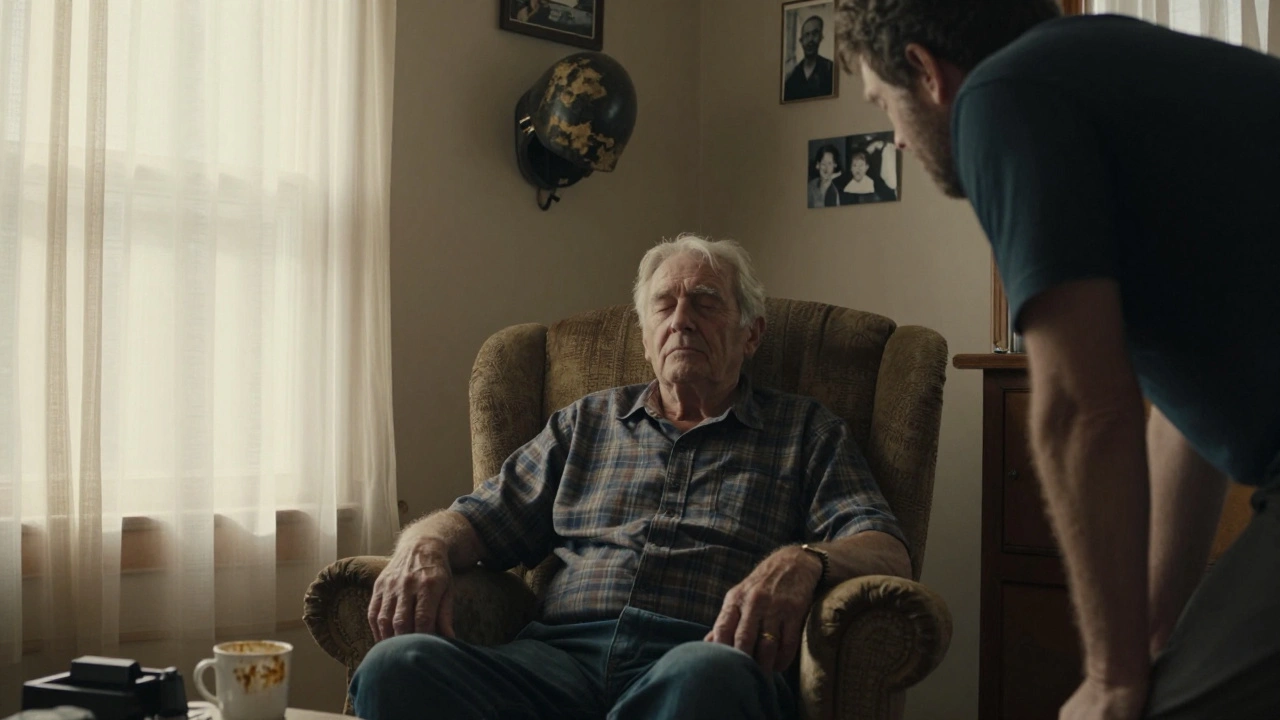
What you’ll find here aren’t theory-heavy guides. These are real breakdowns from people who’ve done it. How one crew filmed a 90-year-old war veteran in his living room using just a window and a reflector. How a first-time director got a reluctant actor to open up by stepping away from the camera and talking like a friend. How a producer turned a 10-minute chat into the emotional core of a feature film by changing the shot order mid-edit.
You’ll learn how to handle awkward silences without panicking, how to choose between a two-shot and a single, why you should never look at the monitor while someone’s talking, and how to make someone feel safe enough to say something they’ve never said out loud. These aren’t tricks. They’re habits. And they’re built on one simple rule: the camera doesn’t make the moment. The person in front of it does. Your job is just to get out of the way—and be ready when it happens.