Film Visual Storytelling: How Movies Say More Without Words
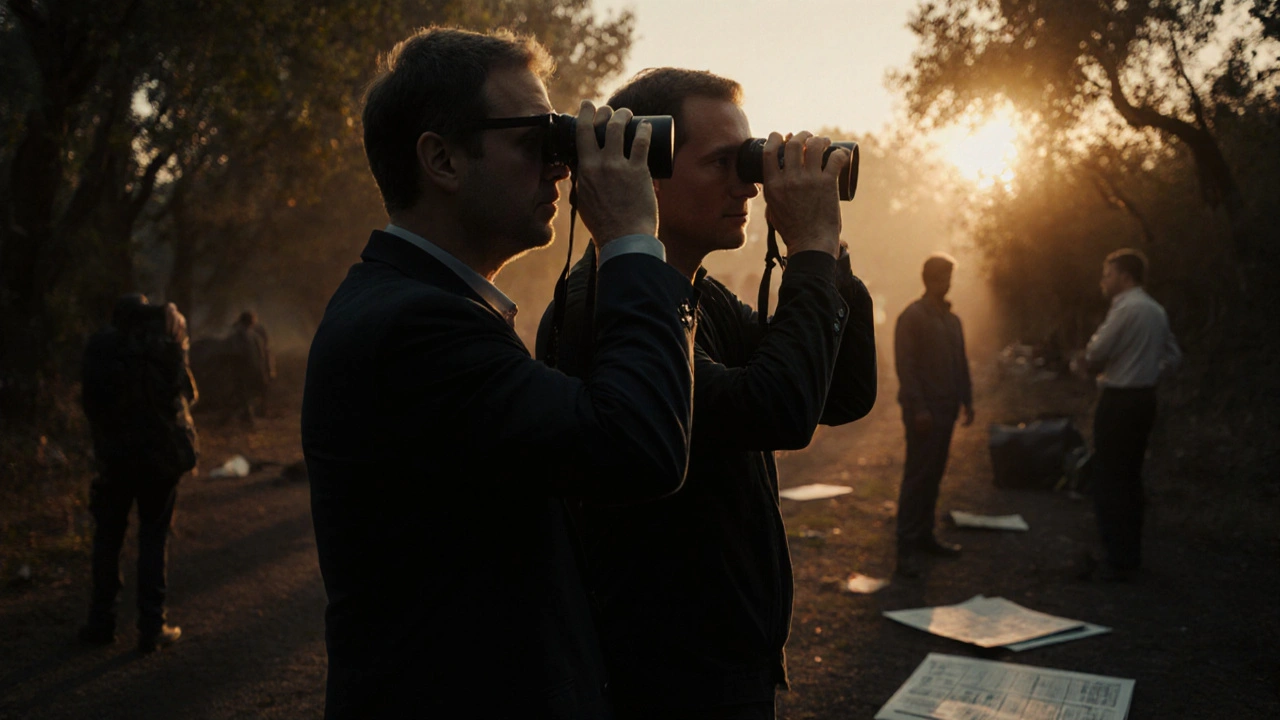
When we talk about film visual storytelling, the art of conveying narrative, emotion, and meaning through images rather than dialogue. Also known as cinematic language, it’s what makes a single glance between characters feel heavier than a monologue. It’s not just about what happens—it’s how it’s shown. A shaky camera, a slow zoom, a color shift, or even the way shadows fall across a face can tell you everything you need to know about a character’s fear, hope, or betrayal.
Visual storytelling doesn’t need fancy gear. It needs intention. Think of film composition, how elements are arranged within the frame to guide the viewer’s eye and create meaning. A character placed alone in the corner of a wide shot isn’t just positioned—they’re isolated. A tight close-up on trembling hands isn’t just detail—it’s anxiety made visible. These choices are the grammar of cinema. And they’re what separate a good scene from a haunting one. non-verbal cinema, the use of silence, movement, and visual cues to drive emotion and plot is especially powerful in films where words would ruin the mood. Think of the quiet tension in a hallway scene where nothing is said, but you feel every heartbeat.
Modern filmmakers use visual narrative, the structured use of imagery to unfold a story without relying on exposition to build entire worlds in seconds. A child’s toy left in the snow. A flickering streetlamp outside a window. A reflection in a puddle that shows someone watching. These aren’t random details—they’re clues. And they’re everywhere in the films you love. You’ll see it in the way light cuts through a room in a thriller, how a character’s clothes change as their world falls apart, or how a long take holds you in a moment longer than you expected. It’s not about showing everything. It’s about showing just enough to make the audience lean in.
What you’ll find in the posts below isn’t theory—it’s practice. Real examples from films that used silence, color, framing, and movement to say more than any script ever could. You’ll see how indie filmmakers stretch a dollar into a thousand emotions, how animators make eyes speak without lips moving, and how directors use empty space to build dread. This isn’t about fancy cameras or big budgets. It’s about seeing what’s already there—and knowing how to let it speak.